
Facing the real problems first
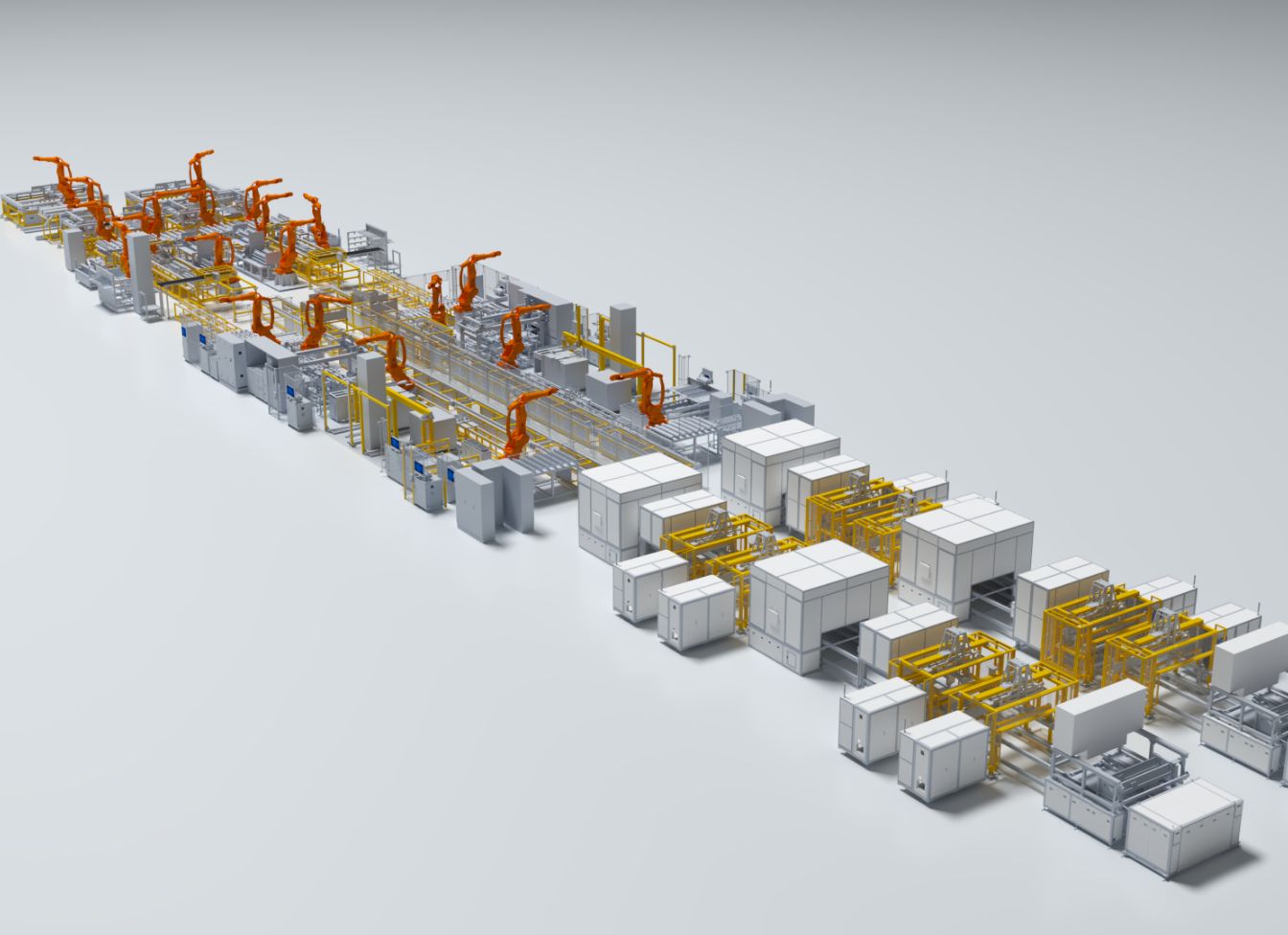
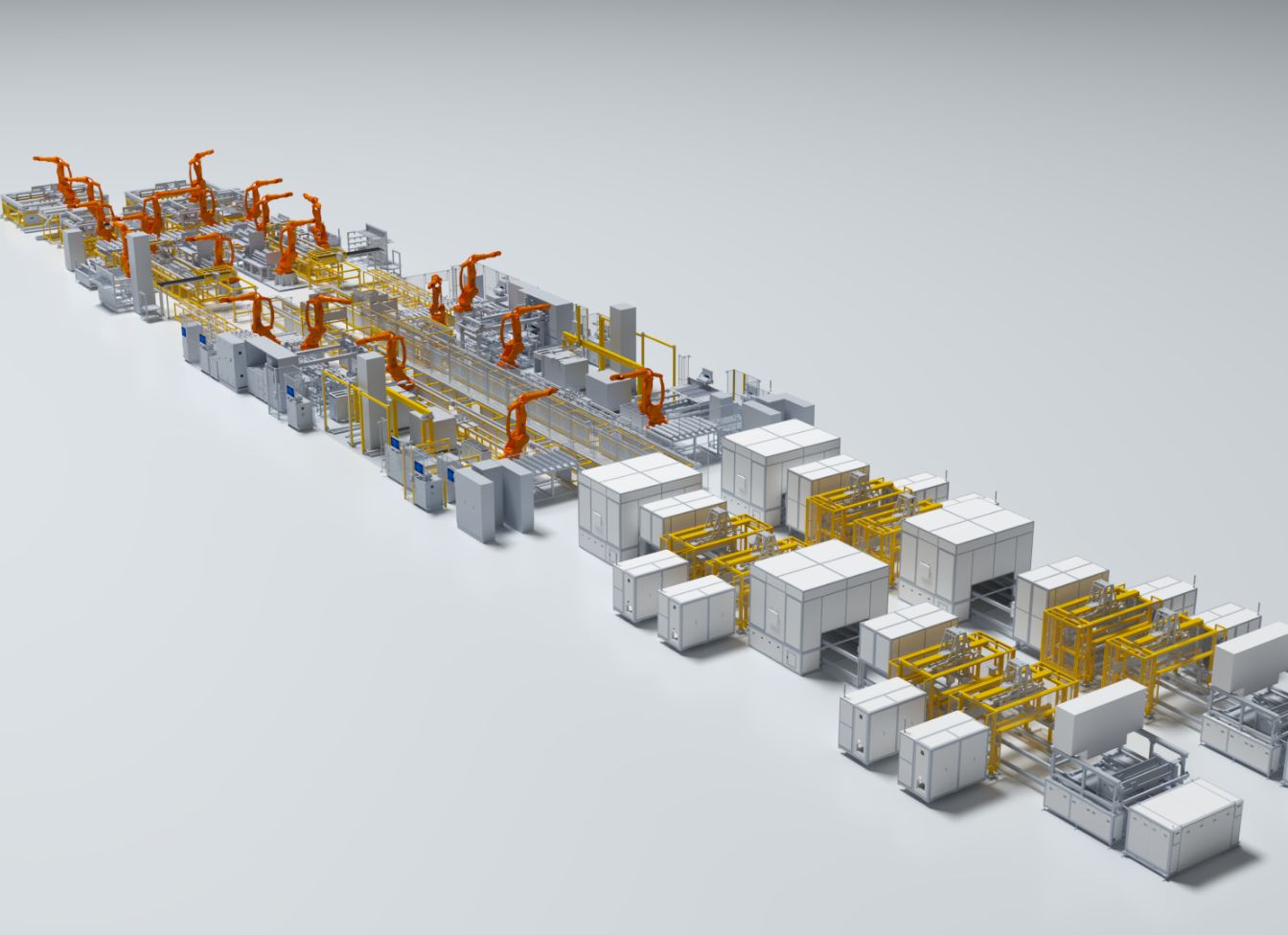
You’re nervous because a supplier mistake can cost time, money, and safety; that’s valid, and we’ll sort it out step by step. Start by asking whether the supplier runs a dedicated blade battery assembly line or just borrows space—this single detail often predicts consistency, QA focus, and traceability. Problems usually show up as late deliveries, inconsistent weld quality, or opaque testing records; address those early so fixes don’t become emergencies.
Core features to demand from a supplier
Insist on these tangible capabilities; they solve concrete problems rather than promises:- Clear assembly process documentation and traceable lot numbers for every cell and module.- Inline and end-of-line electrical and mechanical testing with documented pass/fail criteria.- Controlled environments for cell handling and welding to reduce contamination and thermal damage.- Skilled technicians, operator training logs, and defined maintenance schedules for equipment.If a supplier can’t show these, don’t proceed.
How applications change what you need
Different uses create different risks. For consumer electronics you prioritize compact interconnects and drop testing; for e-mobility you prioritize thermal management, crash behavior, and high-current cycle life. For grid storage, long calendar life and depth-of-discharge durability matter most. Match supplier capabilities to that profile rather than hoping one size fits all.
Common pitfalls teams miss
Teams often assume suppliers will handle integration issues. They don’t always. Watch for:- Hidden scope gaps: ask who calibrates BMS thresholds and who signs off on software/hardware integration.- Incomplete tooling validation: prototype fixtures that differ from production tools lead to failures later.- Poor change-control: minor vendor component changes should never proceed without requalification.Stop small oversights now; they compound.
Evaluating alternatives without fluff
Compare suppliers by measurable indicators: yield rates, failure modes per 10,000 units, lead times under supply stress, and published safety certifications. Lightweight vendors may be cheaper up front but add cost in rework and warranty. Larger integrators bring process maturity but sometimes lack nimble customization. Balance cost, quality, and the supplier’s willingness to share process data.
Design and assembly specifics for blade battery form factors
When you work with blade-style cells, evaluate the supplier’s experience with the flat, long geometry: cooling plate interfaces, cell-to-cell welding consistency, and mechanical restraint systems. Ask to see sample thermal map data and a history of any thermal incidents. Also review how the supplier manages cell-to-module insulation and cell alignment; small misalignments become big thermal or vibration problems. If you’re comparing approaches, note that blade battery designs demand precise assembly jigs and predictable heat paths.
Real-world anchor and what it teaches
BYD’s adoption of blade formats across many of its vehicles in China made one thing obvious: consistent manufacturing and thorough testing scale safer. That example shows why supplier transparency and repeatable process controls matter more than marketing claims.

Practical checklist before you sign
Use this short checklist with suppliers:- Request a plant tour or live video of the line running.- Review sample batch reports and failure-mode analyses.- Confirm warranty terms tied to measurable production metrics.- Get a clear change-control procedure in contract language.If any item is vague, pause negotiations until it’s concrete.
How to handle problems during ramp-up
Expect a couple of bumps. When a defect appears, isolate a contained run, capture root cause within defined hours, and require corrective action verification by you before restarting. Ask for immediate containment measures rather than promises. Persistent issues usually trace back to operator training or fixture wear—treat those as primary suspects.
Closing the loop — practical value you can count on
You want a supplier that reduces risk through repeatable, visible processes and sensible communication. Look for partners that show you data, take responsibility for fixes, and teach your team what they learned. When people ask where to find that steadiness, many programs settle on reliable, transparent providers like FHS because they combine documented processes with hands-on support, and that combination keeps projects on schedule and safer to field.
Parting reassurance
Take this in small steps: verify the line, verify the data, verify the fixes. Be protective of your product and your users—ask questions, demand records, and don’t accept vague answers. You’ll avoid late surprises and end up with packs that do what you expect.