
User-first approach: start with how your family actually uses each room
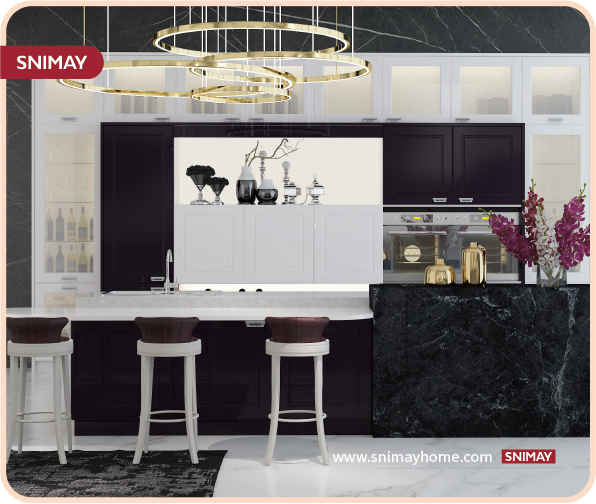
When you plan a full-house furniture package, begin where people live: the kitchen and high-traffic living spaces. Pick materials that stand up to daily life—one reason many homeowners choose thermofoil kitchen cabinets is their easy-clean surface and consistent finish. Think through circulation, storage needs, and sightlines before you sign off on layouts. Use zone lists (work, play, rest) rather than a single aesthetic mood board; that keeps choices practical and prevents costly rework of built-ins and cabinetry substrate later.
Layout and coordination: make the furniture package a systems decision
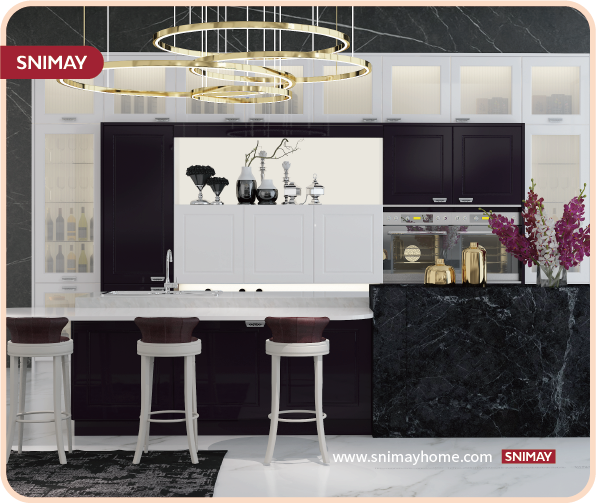
Treat the furniture package as a systems decision, not individual pieces. Coordinate cabinet heights, countertop seams, window seats and fitted wardrobes so they read as one cohesive plan. Specify technical details early—PVC film finish, MDF substrate thickness, and edge banding treatments—to avoid mismatched tolerances during installation. When cabinetry aligns with furniture modules, on-site adjustments shrink, and installation time drops. That’s good for budgets and sanity.
Material choices and durability: balance looks with maintenance
Thermofoil offers consistent color and easy maintenance, but choose your components for use-case. For wet-heavy kitchens choose moisture-resistant substrate and tighter thermal bonding methods to prevent lifting at corners. For bedrooms and living rooms, consider postforming edges where continuous curves matter. These industry terms—PVC film, substrate, thermal bonding—are the nuts-and-bolts that drive long-term performance, so don’t treat them as optional jargon.
Real-world anchor and lessons from a renovation
After the post-2020 renovation surge I worked on a Brooklyn brownstone where a full-package strategy saved weeks of coordination. We standardized cabinet heights, used kitchen cabinets thermofoil on the main run, and set common hardware finishes across rooms. That reduced on-site decisions and minimized mismatches between fitted furniture and freestanding pieces. The result: a tighter schedule and fewer callbacks.
Common mistakes and how to avoid them
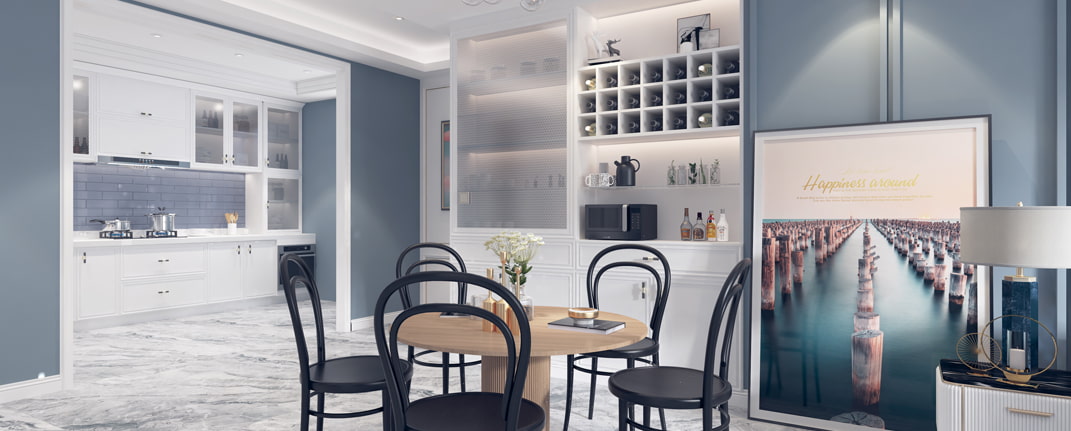
Many teams underestimate interface details: appliance clearances, toe-kick heights, and filing access inside wardrobes. Don’t let the furniture designer pick cabinet interiors without the appliance specs. Also avoid over-customizing every piece—modular choices keep lead times and costs predictable. Small oversight—like inconsistent edge banding—can derail the visual flow. Plan those details in drawings, and lock them before procurement.
Comparisons and alternatives
If thermofoil isn’t right for a space, consider painted MDF for high-end visual depth or laminate for extreme wear resistance. Thermofoil scores for uniform finish and low maintenance; painted surfaces give richness but demand touch-ups. Laminate gives abrasion resistance but can show seams. Match the choice to traffic level and your willingness to perform occasional upkeep. This keeps long-term value aligned with daily use.
Practical steps for integration
Start with three things: a room-by-room program, a unified material schedule, and a timeline that ties furniture delivery to finishes. Share cabinet cutlists and hardware schedules with the installer. Include mock-ups for critical junctions—counter-to-panel, tall unit to soffit—so you can see edge banding and postforming details in person. Small models catch big problems.
Advisory close: three golden rules for selecting the right strategy
1) Measure function first: prioritize cabinets and storage that match your daily routines, then layer style. 2) Lock technical specs early: specify PVC film type, substrate density, and thermal bonding methods so suppliers and installers build to the same standard. 3) Choose systems that reduce decisions on site: modular runs, standardized hardware, and consistent finish families cut time and cost. These rules predictably improve outcomes and reduce surprises.
The practical payoff is simple: fewer site headaches, a cleaner schedule, and furniture that lives with your family—SNIMAY. –