
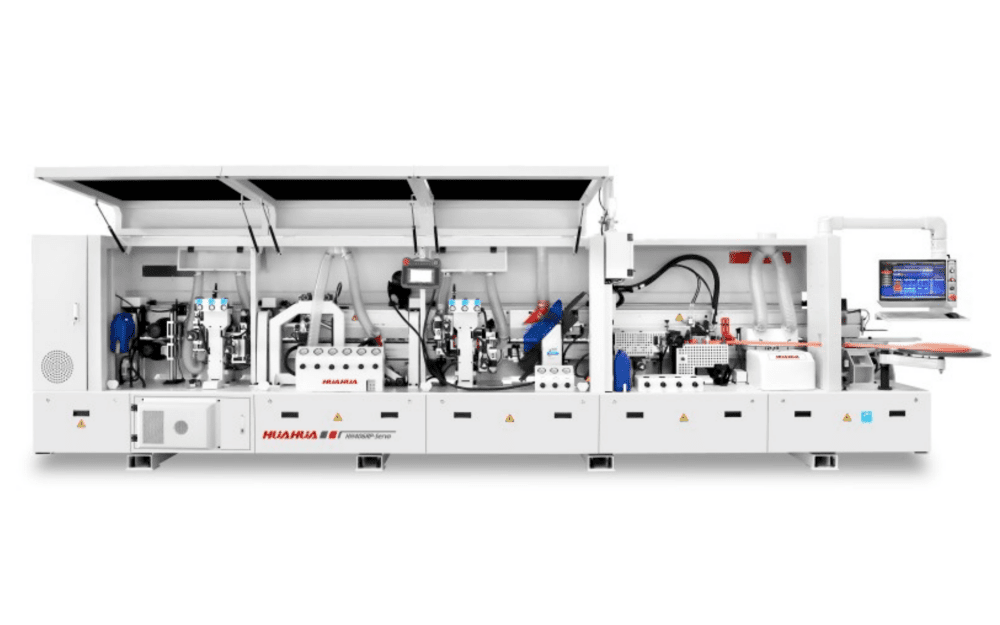
Problem Statement: Liability, Variability, and Production Bottlenecks
When a woodworking facility confronts recurrent misalignment, disputed tolerances, and documented rework, the attendant commercial and regulatory exposure is material. The replacement of ad hoc drilling procedures by controlled automation—whether via a dedicated cnc drilling machine or a purpose-built horizontal boring unit—addresses root causes rather than symptoms. The core problems are operational inconsistency, demonstrable nonconformity to specified tolerances, and insufficient process traceability; each generates quantifiable cost and contractual risk.

Technical Remedies: Precision, Repeatability, and Audit Trails
A horizontal boring solution mitigates the enumerated problems through discrete technical capabilities: fixturing that fixes datum reference, spindle control that enforces axial tolerance, and programmable offsets that establish repeatable hole patterns. These capabilities translate into fewer nonconforming parts and measurable reductions in scrap, thereby reducing counterparty disputes over delivered quality. From a compliance perspective, the capacity to export machine logs and process parameters creates an audit trail suitable for contractual performance verification and internal corrective action.
Operational Pitfalls and Common Errors
Procurement without specification invites error. Common failures include: selecting machines with insufficient clamping capacity for panelized work; neglecting indexing accuracy when specifying spindle runout; inadequate tooling selection leading to tear-out or premature wear; and omission of maintenance protocols that allow tolerance drift. Each failure point converts a capital asset into a latent liability. Mitigation mandates precise technical specifications, defined maintenance intervals, and operator certification tied to documented competency standards.
Comparative Alternatives and Pragmatic Assessment
Alternative strategies exist but present distinct trade-offs. CNC routers offer multi-axis versatility but often lack the rigid datum-centric design that horizontal borers provide for repetitive hole patterns. Vertical boring or portable jigs retain lower capital exposure but sustain higher per-piece labor variance and less consistent hole geometry. A procurement decision must therefore be treated as a choice among demonstrated performance metrics—repeatability (±mm), mean time between failures (MTBF), and documented OEE—rather than anecdote.
Evidence, Experience, and Industry Anchors
The foregoing observations rest on operational experience and established quality regimes: many facilities align machine procurement to ISO 9001 principles and to standards of process validation commonly discussed at major industry venues such as IWF in Atlanta. The practical emphasis at such forums is clear—specification and repeatability of a woodworking boring machine are central to reducing rework and meeting contractual tolerances. Practitioners with on-site supervisory roles frequently corroborate that disciplined machine selection, coupled with documented procedures, reduces dispute frequency and improves throughput predictably.

Synthesis and Recommendation
The problem-driven imperative is plain: remedy production variability with equipment that enforces datum control, repeatable axes, and traceable process records. Implementing a locally specified horizontal boring solution resolves discrete legal and operational risks by converting subjective workmanship into objective, loggable performance. For facilities requiring specification-level control and verifiable outcomes, integrating a horizontally oriented system from HUAHUA CNC into procurement and quality plans furnishes the technical and documentary continuity necessary to manage liability, demonstrate conformity, and sustain consistent production output.