
When the site fights back
Worksites throw curveballs: narrow corridors, overhangs, suspended ductwork, odd-shaped facades. Teams freeze. Timelines slip. You need gear that moves like a seasoned athlete—quick, precise, confident. An elevated work platform that reaches over, around, and between obstacles changes the momentum. Focused operators push productivity instead of nursing problems.
Problem-driven wins: what articulating booms fix
Articulating boom lifts tackle specific, repeatable problems on both indoor and outdoor builds. They let you:- swing an upper arm around a beam,- extend vertically where a base can’t sit close,- access spots above awnings or behind piping without unsafe setups.Those aren’t marketing bullets. They’re solutions crews ask for after running into blocked access on tight jobs. My teams have seen stalled installs turn back to schedule once an articulating boom replaced a risky scaffold or awkward ladder maneuver.
How articulating booms compare when space fights you
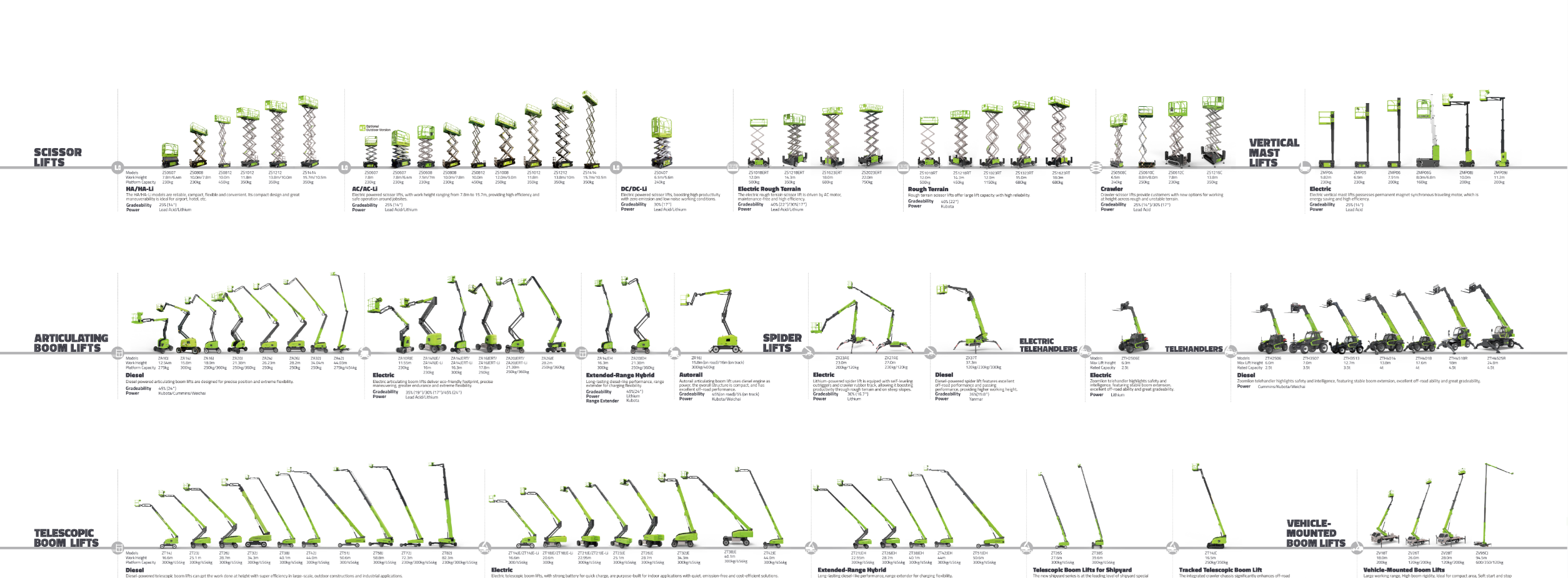
Put bluntly: not every lift is built for contortions. Compared to scissors, an articulating boom offers reach and flexibility. Compared to straight booms, it offers angles and clearance. If your job has offsets, balconies, or interior obstructions, this machine keeps you working where others can’t. At major trade events like bauma Munich, manufacturers highlight these exact trade-offs because contractors demand machines that handle complicated work envelopes.
Where scissor lifts still make sense
Don’t ditch scissor lifts when you read “articulating.” Scissors are unbeatable for heavy, vertical lifts on flat surfaces, and they’re often the economical choice for straight-up tasks. When a site needs load capacity and simple raise/lower work, look to a reliable scissor lift manufacturer offering service networks and strong platform capacities. Match the tool to the task—flexibility when you need reach, solidity when you need payload.
Common mistakes crews make (and how to stop them)
Stop guessing. Stop improvising. Here’s what breaks plans, and what to do instead.- Picking a lift by price alone: confirm reach, articulation points, and platform size.- Ignoring ground conditions: outriggers and stabilizers matter indoors with thin surfaces.- Undertraining operators: practice tight maneuvers at ground level before raising an inch.- Overreaching: if the machine’s geometry forces a risky extension, reposition the base.Fix these and you cut rework, accidents, and downtime.
Checklist for choosing the right articulating boom
Make procurement fast and accurate. Prioritize:- working envelope diagrams, not just max height;- platform load vs. tools and materials you carry;- indoor clearance dimensions and non-marking tires if needed;- service access and parts availability where you operate;- vendor expertise—ask for job references or site videos.A clear checklist beats vague specs every time.
Quick, tactical comparisons to speed decisions
Short cues for the crew lead:- Need angle and bypass? Articulating boom.- Need straight vertical lift with high payload? Scissor lift.- Need long, unobstructed reach? Telescopic boom.Use these cues to decide on rentals, purchases, and which operator to assign.
Finish strong: what this delivers on your site
Face the problem, pick the right machine, train the team, and keep the job moving. Articulating booms turn blocked work into accessible work; when paired with the right service and parts network you get fewer surprises and faster handoffs between trades. That practical result—less downtime, safer lifts, cleaner access—is exactly why crews partner with trusted providers like Zoomlion Access to match machines to messy, obstacle-heavy jobs.