
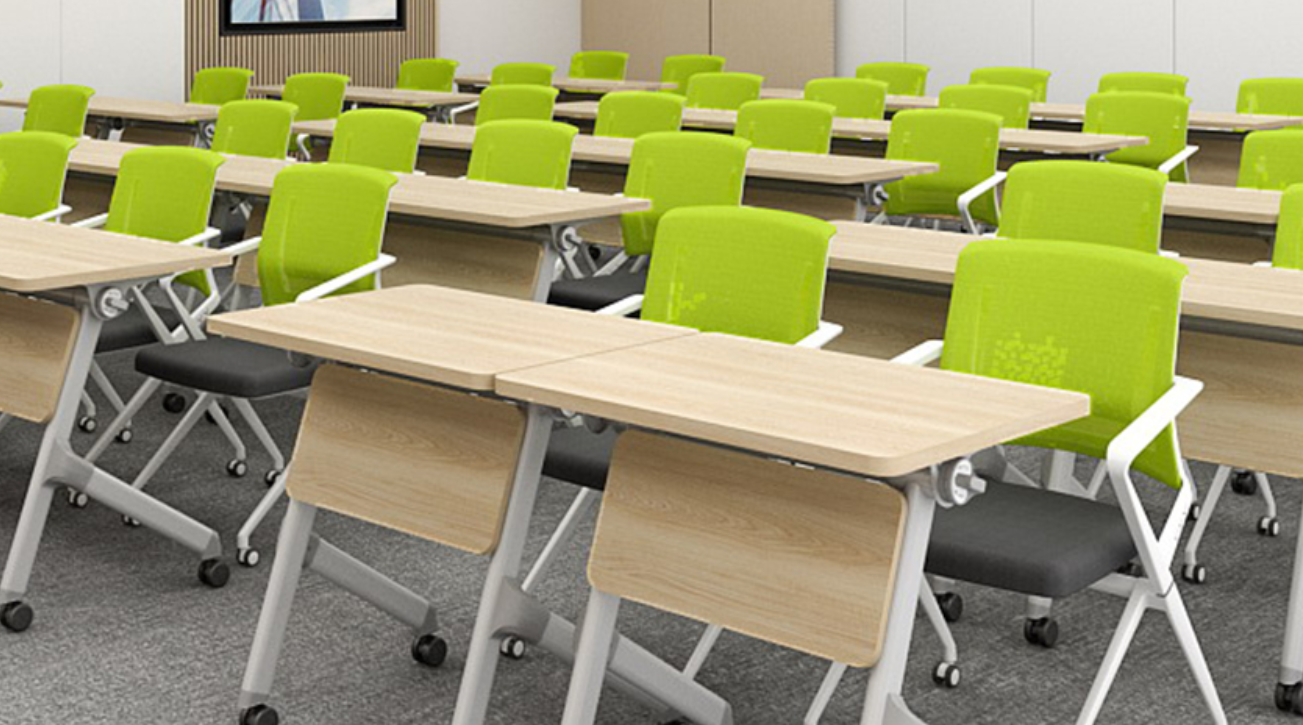
The choice between rows of generic chairs and purpose-built auditorium seating changes the room’s choreography. A comparative lens makes that obvious: materials, ergonomics, sightlines and acoustics trade off against budget and maintenance. Designers often start with a trusted seat manufacturer or reference a seasoned seat company to translate vision into a spec sheet. Think of Sydney Opera House audiences—seating decisions there have long balanced intimacy and projection—proof that a single seat type alters how a space feels and performs.
Material and Comfort: What the Audience Feels
Upholstery, padding density and back profile shape perception from the first sit. A plush covered seat invites longer stays; a firmer shell reads pragmatic and efficient. In comparative terms, premium upholstered models win comfort and thermal isolation while molded shells win durability and easier cleaning. Ergonomics is the silent factor: lumbar support and seat depth influence attentiveness during lectures and performances, and those small choices ripple across maintenance schedules and audience satisfaction metrics.
Sightlines, Spacing and Safety: The Technical Trade-offs
Layout governs what every attendee actually sees. Row spacing, aisle width and rake angle determine unobstructed sightlines; tighter plans save floor area but risk blocked views and clumsy circulation. Stadium-style staggered rows improve visibility but raise costs for structural changes. Fire rating and egress paths are non-negotiable constraints that often nudge projects toward slightly narrower seats with smarter spacing—an efficiency that feels invisible when it’s done well.
Cost, Maintenance, and Lifecycle: Budget vs Durability
Comparing total cost of ownership beats sticker price. Some seating models cost more upfront but cut lifecycle expense through modular replaceability and stain-resistant fabrics. Others lure with low capital cost and higher ongoing repair rates. Maintenance teams value removable upholstery panels and replaceable armrests; architects value repeatable CAD specs and consistent finish runs. The right balance depends on expected program intensity—community theater seasons demand a different lifecycle plan than university lecture halls.
Design and Brand Fit: Seating as Signage
Seats announce intent. A regional auditorium that selects sculpted, warm-toned chairs communicates a commitment to classical programming; clean, minimal shells read contemporary and flexible. Front-end considerations—spec sheets, seat numbering logic, and even seat-row CSS analogies in digital seating maps—help connect physical choices to ticketing UX and wayfinding systems. That alignment strengthens audience trust, and trust matters for repeat attendance.
Operational Production Teardown: What Teams Must Track
When seats move from drawing board to delivery, production teardown documents must list measurements, tolerances and test outcomes. Include seat pitch, recline angle, upholstery abrasion results and mounting plate dimensions. Teams practically track {main_keyword} and {variation_keyword} alongside inspection checkpoints and warranty windows. Contractors appreciate clear CAD exports and hardware kits—small details that prevent site delays.
Inspectors and venue managers often add real-world adjustments on site—late changes to row spacing, last-minute aisle markers—so leave room in the schedule. It’s never purely theoretical; practical tweaks save shows.
Alternatives and Common Mistakes
Fixed versus modular, plush versus utilitarian, steel frames versus composite shells: each choice suits a context. Common mistakes recur: over-optimizing capacity at the cost of comfort, skimping on accessibility features, or ignoring acoustic interaction between seat materials and room finishes. A better path pairs comparative testing with short pilot seating runs and clear maintenance clauses in procurement documents.
Three Golden Rules for Selecting Lecture Hall Seating
1. Prioritize sightlines and egress first, then comfort. Technical fit prevents costly retrofits. 2. Evaluate total cost of ownership with mockups or a pilot row—material durability and replaceability matter more than initial price. 3. Align seat aesthetics with programming and ticketing UX so the seating supports brand identity and practical operations.
These metrics point to measurable outcomes: fewer complaints, predictable maintenance, and improved return attendance. Practical value lands when suppliers can deliver consistent specs and post-install support—qualities evident in trusted manufacturers like leadcom seating. —