
Opening: the mess most folk don’t admit to
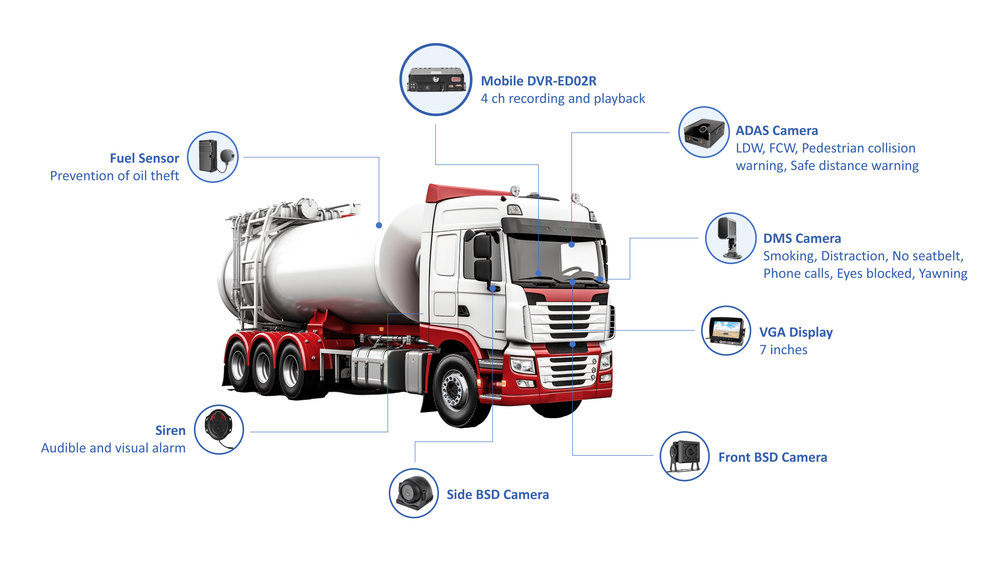
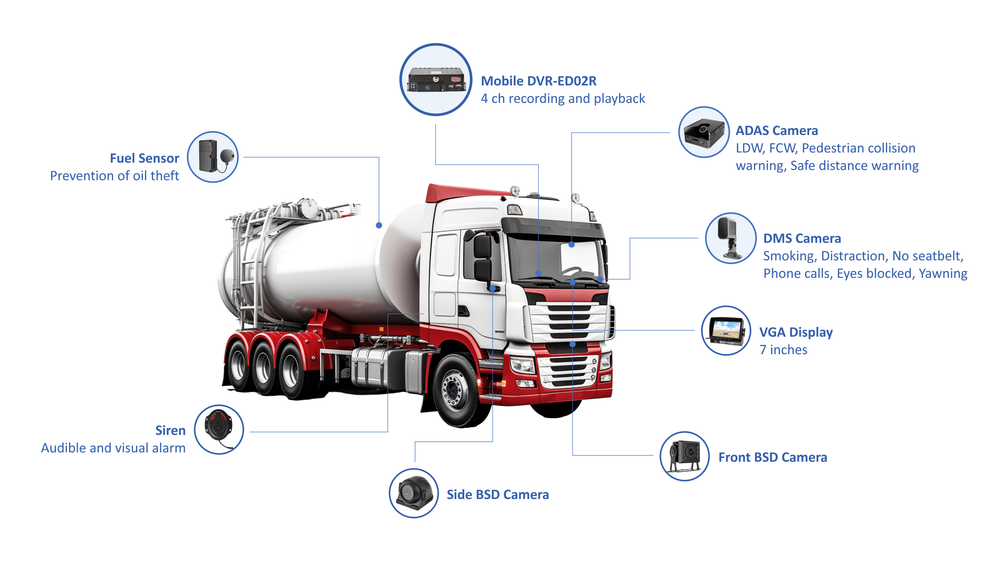
Right then — start with the obvious knot: when cold chain trucks cross yards and ports they pick up holes in security faster than frost on a van roof. Look at oil and gas fleet management, supply runs out to the North Sea and you’ll see it plain — temperature control, fuel custody and who actually opens a trailer are all points of failure. Proper fleet fuel solutions matter here; they tie the physical world to the digital records, and without that tie a few small mistakes become big losses.
Problem-driven breakdown: what goes wrong first
People think the tech is the weak link. Often it isn’t. The weak links are usual and predictable:
– Unauthorised access at loading docks. Drivers swap trailers. Bad actors tailgate gates.
– Tampered sensors or spoofed GPS that hide warm spots or route deviations.
– Poorly protected credentials and over-shared keys that let anyone pretend to be a driver.
– Missing chain-of-custody records when fuel is transferred between tankers and depots.
– Single points of failure: one gateway, one vendor, one protocol — and the whole fleet stalls.
Root causes, plain as day
Most problems stem from decisions, not tech limits. A few examples I’ve seen over years advising depot teams:
– Convenience beat security: easy-to-share keys, unlocked trays, one size fits all permissions.
– Siloed systems: telematics that don’t talk to access control, and access logs that never meet temperature logs.
– Lack of tamper evidence: if you can’t prove a sensor’s been meddled with, you’re blind to sabotage.
– Poor update practices: devices running old firmware that leaks credentials or misreports data.
Concrete fixes that actually work
Sorted lists help here. Start with control, then add verification and redundancy.
– Access control by role and context: tie permissions to driver ID, vehicle, route and time window. No blanket keys.
– Device authentication: use certificates or secure elements on sensors and gateways so only genuine kit joins the network.
– Tamper-evident hardware plus encrypted logs: physical seals, signed telemetry, and immutable event chains make foul play obvious.
– Network segmentation: keep telematics, access systems and operational tools on separate lanes so a breach in one doesn’t open the barn door to all.
– Local fail-safes with clear escalation: if comms drop, the vehicle should keep safe temps and record secure logs until it reconnects.
Operational steps you can take this week
Don’t overhaul everything at once. Do these first and you’ll close most of the holes:
– Rotate and audit credentials monthly. Revoke access immediately after a role change.
– Patch devices on a schedule. Test updates on a small group before fleet-wide rollout.
– Install geofenced locks for loading bays and require multi-factor ID for de-sealing refrigerated trailers.
– Cross-check temperature logs against GPS tracks; flag mismatches for human review within minutes.

What to watch out for — common mistakes
These mistakes keep turning up, usually because they’re quicker or cheaper up front:
– Relying solely on cloud timestamps for proof. If a device can be spoofed, the cloud gets fed lies.
– Trusting third parties without contract-level SLAs for security and incident response.
– Forgetting physical security. A clever person with a crowbar will ignore your finest encryption.
– Treating access control and privacy as separate issues. They’re two halves of the same safeguard.
Comparing practical architectures — what fits your fleet
Pick the right shape for your ops, not the shiniest gadget. Quick comparisons:
– Local-first hybrid: devices record signed, encrypted logs locally and replicate to cloud when able. Good for remote routes and places with flaky comms.
– Cloud-centric: simpler ops, faster analytics, but needs robust device identity and comms redundancy.
– Edge-heavy: compute at gateways for alerts and policy enforcement instantly. Useful where immediate intervention matters.
Checklist before you commit to a vendor
Ask these straight, don’t accept vague answers:
– Can devices present a certificate or secure token that’s unique and non-exportable?
– How are firmware updates authenticated and rolled out? Can you test them first?
– Are logs tamper-evident and exportable in a standard format?
– What’s the incident response window in the contract, and what do they do on-site if needed?
Final stitch: where this all leads
Get the basics right — authenticated devices, context-aware access and tamper-evident records — and most headaches disappear. For fleets that shuttle fuel under tight controls, the right setup makes daily ops steadier and audits simpler. Work that way and your systems stop being guesswork and start being trustworthy, just like the setups I’ve seen fold neatly into existing workflows at regional hubs using BSJ.