
Practical opening: why seats matter on the farm
Too often, choice of a seat is treated as an afterthought in vehicle procurement; yet the operator spends the longest hours in that cabin. For Kenyan smallholders and commercial contractors working in the Rift Valley and other cropping zones, a well-specified agriculture seat reduces fatigue, improves control and lengthens productive time. This user-centric piece explains how to match seat technology to real operating conditions, with a focus on ergonomics and serviceability.
What operators actually need
Comfort is not the same as luxury. For field crews the baseline needs are: stable posture, reduced whole-body vibration, clear sightlines and easy adjustment. Key components to check are lumbar support, seat pan angle and a responsive suspension system. Practicalities matter too — straightforward controls that a mechanic in Nakuru can fix at the roadside are preferable to sealed modules that require a specialist.
Which technologies deliver value
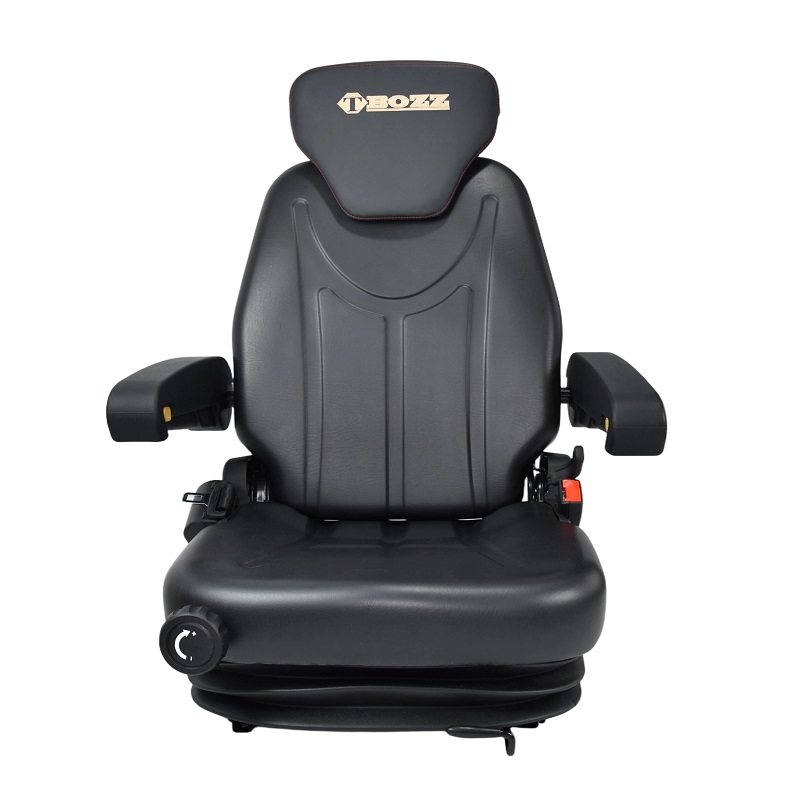
Not all features are equally useful on an ordinary farm. Prioritise air-ride or mechanical suspension systems that offer proven vibration isolation, a firm but forgiving seat pan, and a robust shock absorber arrangement. Operators gain from adjustable lumbar support and simple swivel bases for frequent entry and exit. These are the technologies that reduce musculoskeletal strain and help maintain concentration over long shifts.
Field lessons and user stories
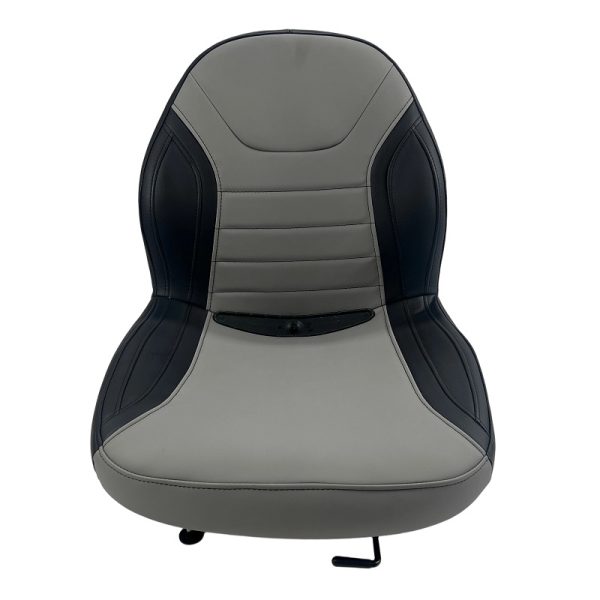
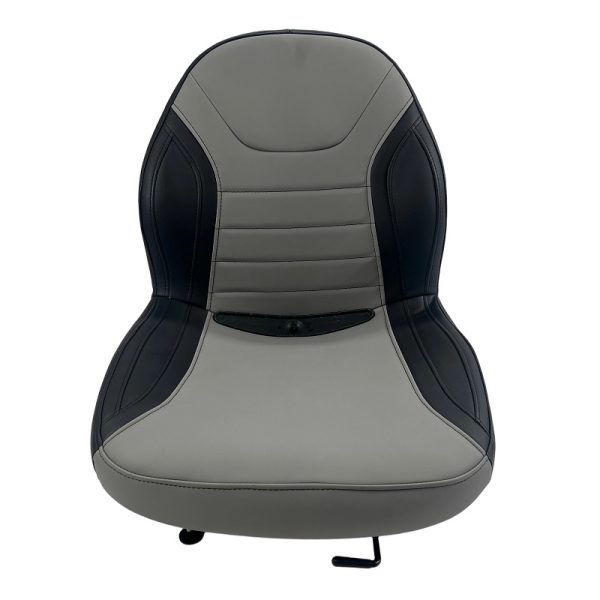
From visits to farms around Eldoret and conversations with contractors, two patterns repeat: seats tuned for road comfort fail under slow, jarring field work; and over-complex electronics break down where servicing options are limited. – One contractor switched to a universal tractor seat and reported fewer complaints of lower back pain and fewer maintenance callouts over 18 months. That practical anchor is why ergonomics and maintainability must guide selection, not only headline features.
Common procurement mistakes
Buyers often prioritise price or appearance and overlook compatibility with the cabin architecture and mounting points. Another frequent error is selecting a seat without checking dynamic range — some seats compress too much under a heavy operator, losing damping effectiveness. Finally, neglecting the supply chain for spare parts makes an otherwise suitable seat a long-term liability.
How to test and compare models
Run a short, repeatable field test before committing. A good test protocol includes: 30 minutes of ploughing or cultivation with frequent turns, recording operator comfort and control; a check of mounting hardware compatibility; and a maintenance walk-through to see how fast filters, cushions or springs can be replaced. Use simple metrics: perceived comfort (operator score), visible reduction in vibration at the seat base, and time-to-service for common repairs. Include the universal tractor seat model in trials where possible to gauge its adaptability across machines.
Alternatives and trade-offs
If budget restricts you, consider a basic seat with superior suspension over an expensive seat with limited damping. Air-ride systems give the best comfort but require compressors and more maintenance; mechanical spring systems are lower cost and easier to service. Prioritise the feature set that matches daily task profiles — long-haul transport needs different damping than close-quarter cultivation.
Advisory: three golden rules for selecting a seat
1) Match suspension performance to task: choose air-ride for extended highway transfers, mechanical damping for slow, jarring field work. 2) Verify maintainability: confirm spare parts and simple repair procedures are locally available within a 100 km radius. 3) Confirm ergonomic fit: the seat must allow adjustment across the height and weight range of your crew and provide proper lumbar support.
These rules turn specification into measurable outcomes: reduced downtime, fewer health complaints and clearer operator control — tangible results every farm manager can track. Source One has guided fleets through these exact choices — practical, proven support. –