
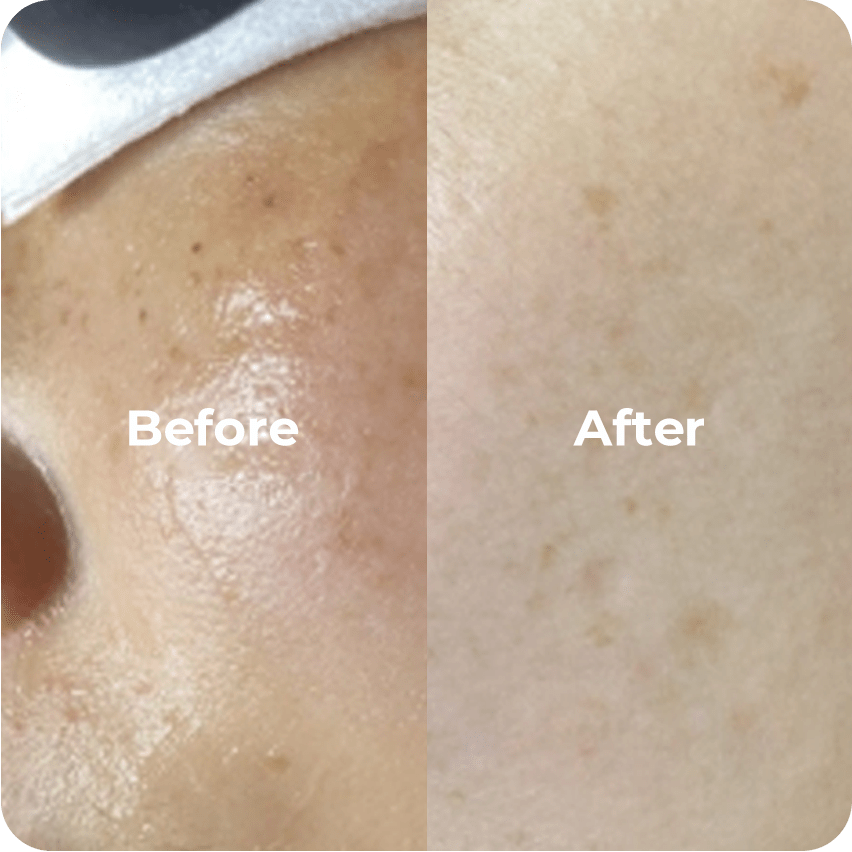
Opening — why a user-first approach matters
Patients seeking clearer skin often want straightforward answers: which treatment will work for me, how long will it take, and what are the risks. Framing decisions around those user needs — rather than the latest device launch alone — improves outcomes and satisfaction. When mapping a pathway for pigmentation removal treatment, clinicians should prioritise safety, predictability and realistic expectations. That simple shift changes how you triage cases, choose technologies, and plan follow-up.
Common options explained in plain terms
Broadly, interventions fall into topical therapy, procedural devices and combination strategies. Topicals include hydroquinone alternatives and retinoids for pigment suppression. Procedural choices include Q-switched lasers, intense pulsed light (IPL), and superficial chemical peels. Each has a place: chemical peels can be quick and low-cost for superficial discoloration; IPL and certain lasers reach deeper pigment but need precise settings to avoid post-inflammatory hyperpigmentation (PIH). Matching modality to diagnosis — for example melasma versus lentigines — is the clinical pivot.
Patient selection: the single most important decision
Not every patient is a candidate for every procedure. Skin phototype, history of sensitivity, hormone status and past PIH episodes guide safe selection. A careful history and test patch reduce complications. In practice, patients with higher Fitzpatrick phototypes often need more conservative protocols and longer treatment intervals. Documenting expectations and a staged plan — start conservative, escalate if safe — preserves trust and limits adverse events.
Device selection and workflow integration
Choosing equipment is operational as much as clinical: uptime, consumable costs, and staff training influence patient throughput. Look for devices with documented safety protocols for darker skin tones and clear guidance for parameter adjustment. Also consider how procedures fit into scheduling blocks and recovery space. For many clinics, a hybrid model works best: keep one versatile device for general pigment work and refer complex melasma or deep dermal cases to tertiary centres. When describing these options to patients, use plain language — “laser resurfacing” or “targeted light therapy” — so the choice feels accessible.
Real-world anchor: lessons from active clinics
Clinics in Seoul and Tokyo, long hubs for dermatologic innovation, demonstrate a pragmatic rhythm: conservative initial settings, incremental intensification, and strong patient education. Those centres emphasise a staged approach and meticulous photographic records — practices easily replicated elsewhere. This grounded experience reinforces a universal lesson: good outcomes rely as much on process as on technology.
Common mistakes clinicians make — and how to avoid them
Three recurring errors stand out. First, over-aggressive settings on darker skin types — which often produce PIH rather than improvement. Second, under-valuing maintenance and sun protection counselling; pigment returns when UV exposure continues. Third, failing to set measurable goals — improvement percentages or patient-reported outcome timelines — which complicates assessment. Simple fixes: adopt standard parameter ranges for phototypes, require SPF counselling at each visit, and record baseline photos with objective scoring.
Workflow tips: patient journey and staff roles
Design the pathway from consult to maintenance. A practical flow: initial consult with diagnosis and consent, test patch and first procedure on a separate day, scheduled follow-up at 2–4 weeks, and a maintenance plan at 3 months. Train nursing staff to document tone, texture and pigmentation maps during every visit — this builds actionable data and speeds decision-making. —
Comparing strategies: single modality versus combination care
Combination strategies often outperform single modalities for complex patterns like melasma. For example, a topical regimen to stabilise pigment, followed by gentle laser sessions and periodic superficial peels, balances efficacy with safety. However, combinations raise complexity: increased costs, more appointments and a higher need for patient adherence. Be explicit about trade-offs during consent.
Summary of practical takeaways
Focus on diagnosis-driven selection, conservative parameterisation for darker skin, and a clear maintenance plan. Invest in staff training and photographic documentation. These process-oriented measures deliver more consistent results than chasing the newest device alone.
Advisory — three golden rules for selecting treatments and tools
1) Choose safety over speed: prefer conservative settings that earn incremental improvement rather than aggressive protocols that risk PIH. 2) Prioritise compatibility with your workflow: evaluate device uptime, consumables and training time, not only headline performance. 3) Measure outcomes objectively: use baseline photos, simple pigment scales, and patient-reported outcome measures to guide escalation.
Expect measurable improvement when those rules are followed — clearer results, fewer setbacks, and higher patient retention. ENZOEYS. —