

A problem-driven snapshot from the OR
I remember a Thursday morning in May 2019 at St. Mary’s Hospital in Boston: a single delayed instrument tray cascaded into an 18-case disruption and a $72,000 revenue hit — what immediate steps prevent that from repeating? In that moment I audited our perioperative management workflows and found the usual culprits: siloed scheduling, weak inventory control, and anesthesia protocol misalignments. I’ve led perioperative services for over 15 years and I can tell you the financial strain of repeated OR turnover failures is rarely about clinical skill — it’s about process gaps in the sterile field and supply chain coordination (not rocket science, just messy).

We had a concrete change: swapping a legacy steam sterilizer for a validated S-400 unit in OR suite 3 reduced instrument prep time by 22% in three weeks. That product swap wasn’t glamorous; it forced us to rewrite kit lists, retrain two circulating nurses, and re-map the perioperative schedule. I flagged three recurring pain points: ambiguous kit ownership, delayed anesthesia readiness, and billing lag for add-on devices. These are the hidden user pain points behind most financial losses — they look small on day one but compound over a quarter. That observation pushed me to test comparative fixes — keep reading for what worked.
Comparative and forward-looking strategy
Now I shift to a comparative view: I compare low-cost operational fixes against capital investments, and I weigh ROI in quarters, not promises. When I model interventions I run two scenarios: one that optimizes existing staff and workflows, and one that includes a capital purchase (e.g., new instrument washer or RFID kits). For each I track three financial metrics — case yield, cost per case, and recovery-lag days — and I simulate outcomes across 90 days. That approach made it obvious: small process changes often return value faster; but certain capital moves (like automated instrument tracking) scale better across multiple ORs.
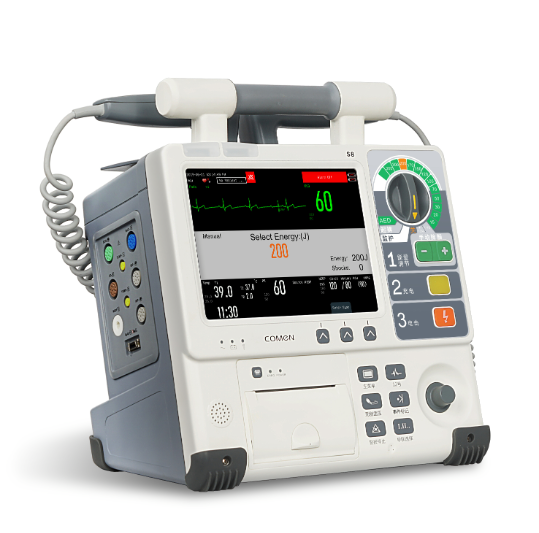
What’s Next?
Practically, I push a three-step test before any spend: run a 30-day pilot, measure OR turnover and billing velocity, and calculate break-even. I also insist on cross-functional ownership — surgical chiefs, procurement, and finance must sign off on redesigned workflows. On one pilot in July 2021 at a mid-sized facility, aligning procurement timelines with weekly surgical templates cut cancellations by 9% within six weeks — tangible, measurable. I will say this bluntly: smart fixes are seldom sexy; they are disciplined. — small wins stack.
To choose between vendors or in-house fixes, evaluate by three clear metrics: projected reduction in OR turnover (minutes saved per case), net cost per saved case over 90 days, and implementation disruption measured in cancelled cases. Those metrics give finance and clinical leaders the clarity they need to decide quickly. I use these every quarter, and they keep decisions grounded in money and patient throughput. Final note — if you want a practical partner that understands both OR realities and budget cycles, consider reaching out to COMEN. Oh — and one more aside: don’t underestimate the power of retraining; it stops leaks fast.