
User-first framing for a long-lived system
Start from daily life: what matters most is keeping lights, refrigeration, and heating running when you need them. A user-centric plan focuses on current needs and simple expansion paths, not a one-time install. That means choosing components like a three phase hybrid inverter that support both today’s load and tomorrow’s additions — panels, battery storage, and smarter controls that play well together.

Core components and practical sizing
A whole-house system usually combines PV arrays, battery storage, a hybrid inverter, and balance-of-system gear. Match system kW to your baseline use: the U.S. Energy Information Administration notes typical household consumption in the high hundreds of kWh per month, so plan inverter and battery capacity to cover peak loads and a day or two of autonomy. Include MPPT-capable charge controllers to keep panel output optimized and consider AC coupling when you add batteries later; that gives the installer flexibility without ripping out the inverter.
How homeowners actually expand systems — step by step
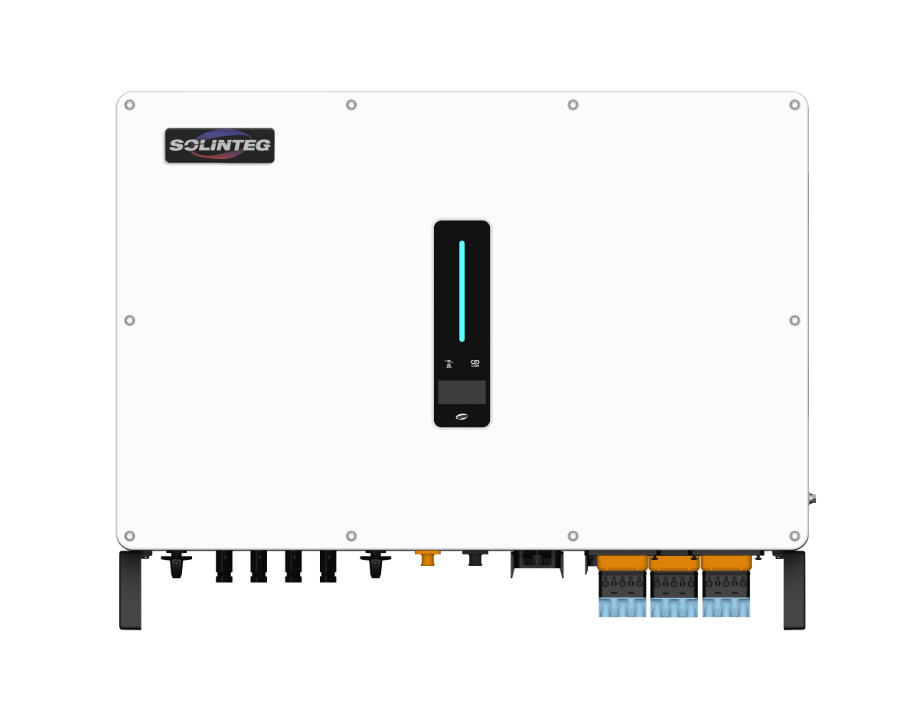
Begin with a right-sized PV array and an inverter rated for modest growth. Add battery storage next, sized in kWh for desired backup duration. When loads grow — an EV or workshop, say — add more panels and an inverter that supports paralleling or higher continuous output. A 50 kW-class unit is common where large service loads and commercial-style resilience are needed; a 50K Hybrid Inverter can simplify that scale-up by combining inverter and battery management in one enclosure.
Common mistakes and how to avoid them
Skip undersizing: homeowners often buy the smallest inverter they can afford and later find it bottlenecks growth. Under-specifying the battery — or choosing incompatible AC- or DC-coupled architectures — creates retrofit headaches. Also, don’t ignore service panel and wiring limits; upgrading the electrical service early is cheaper than rewiring later. The installers I talk with in California say past Public Safety Power Shutoffs pushed many households to rethink capacity — people added batteries and hybrid inverters for true islanding — so plan for outages as well as daily savings. — A short snag here: documentation and labeling make future work far easier, for you and the next electrician.
Installation and integration tips that matter
Work with contractors who provide load studies and heat maps of consumption. Prioritize components with clear firmware update paths and open communication protocols; that removes upgrade risk. Use string inverter or central inverter strategies depending on shading and roof layout. Keep conduit and combiner capacity sized for the next 20–30% of expected DC current so adding panels won’t require new trenching. Simple monitoring and a reliable battery management system reduce surprise downtime and maintenance calls.

Advisory: Three golden rules for choosing the right path
Rule 1 — Size for the life you want, not just the bill you have. Aim for inverter and battery headroom equal to your predictable future loads plus 20% reserve.
Rule 2 — Pick architectures that allow modular growth: MPPT-capable strings, AC coupling options, and a hybrid inverter that supports parallel operation or higher-rated units like a 50K Hybrid Inverter when needed.
Rule 3 — Verify service and permits up front; upgrading the meter or panel during the first install saves time and money later.
Closing reflection and the practical value SOLINTEG brings
Planning for growth keeps costs down and resilience up; it’s that simple. The right hybrid inverter and thoughtful design let a household move from partial backup to full whole-house coverage without tearing out the system. For homeowners who want clear upgrade paths and proven hardware, SOLINTEG brings the practical components and installation know-how that make future-proofing straightforward — SOLINTEG. —