
The problem that kicks off every returns spiral
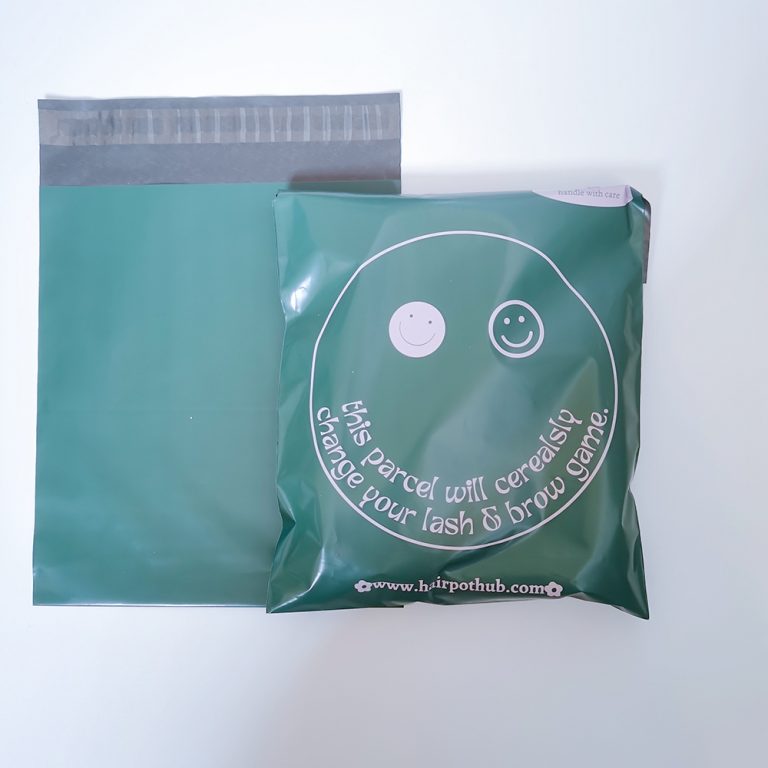
When parcels arrive squashed, wet or leaking, it’s not just a customer gripe — it’s a margin leak. Supply chain teams, especially those running high-volume ecommerce fulfilment, see this as a last-mile delivery problem that eats into profit, brand trust and operational capacity. That’s why lots of ops managers are moving from standard envelopes to custom printed poly mailers — they want fewer transit damages, clearer tamper evidence and easier, lighter packing at scale. It’s a practical change that fixes a clear problem, not a branding vanity project.
Why standard envelopes fall short
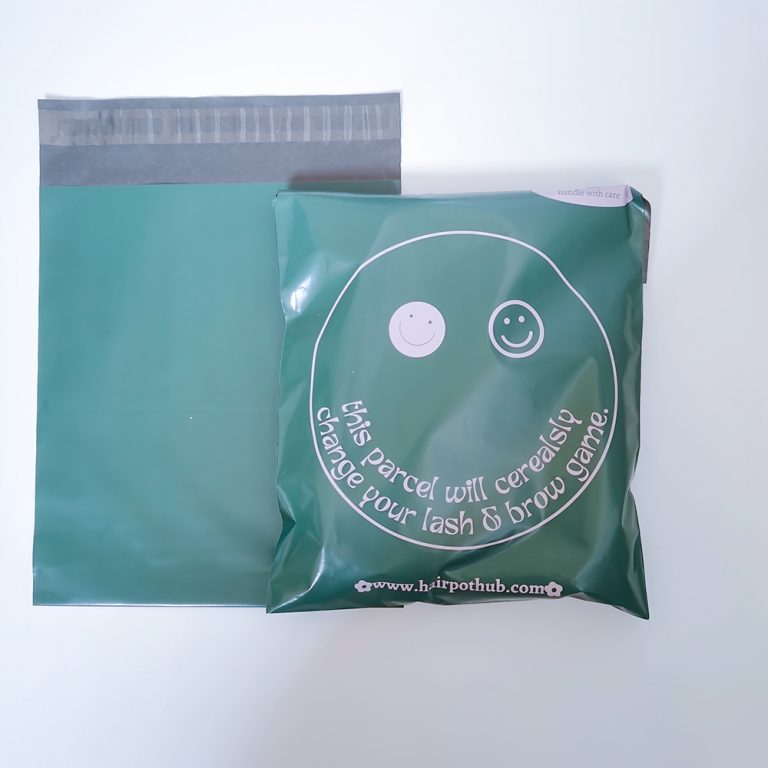
Standard paper envelopes cost less up front, but they’ve got limits: poor moisture resistance, weak puncture performance, and minimal tamper protection. In heavy-rain markets or during peak courier handling, those weaknesses convert straight into damaged goods and extra returns. Lead time for replacements, rework on packing lines, and increased customer service contacts all compound — and suddenly your cost-per-order goes up despite the cheaper envelope price.
What heavy-duty customised poly mailers actually add
Poly mailers bring several engineering advantages: moisture barrier, tear and puncture resistance, and the option for integrated tamper-evident seals. When customised, they also help on-brand presentation and can carry handling instructions or barcodes that speed scanning in sortation centres. From a fulfilment perspective, they reduce fill time and lower per-order damage rates — which is a big win for teams chasing tight SLAs and predictable throughput.
Practical trade-offs to weigh (and common mistakes)
Switching to heavy-duty poly isn’t an instant silver bullet. You’ve got to weigh unit cost versus total landed cost, consider MOQ impacts on cashflow, and check how the mailer size mixes with your packing ergonomics. A typical slip-up is buying a heavier gauge than necessary and then suffering higher freight costs — another is skipping a pilot run and discovering the mailer won’t feed properly on the packing line. Test runs with your actual equipment are crucial. —
Real-world anchor: lessons from the 2020 supply shock
Remember the 2020 global supply-chain disruptions? Many Australasian retailers saw transit damage and fulfilment bottlenecks spike when courier volumes surged. Teams that had already standardised on durable mailing solutions saw fewer returns and steadier throughput. That kind of historical event is a useful anchor: choices made for resilience during shocks pay dividends in normal times too, especially around last-mile robustness and packaging standards.
Comparing solutions: custom vs off-the-shelf poly mailers
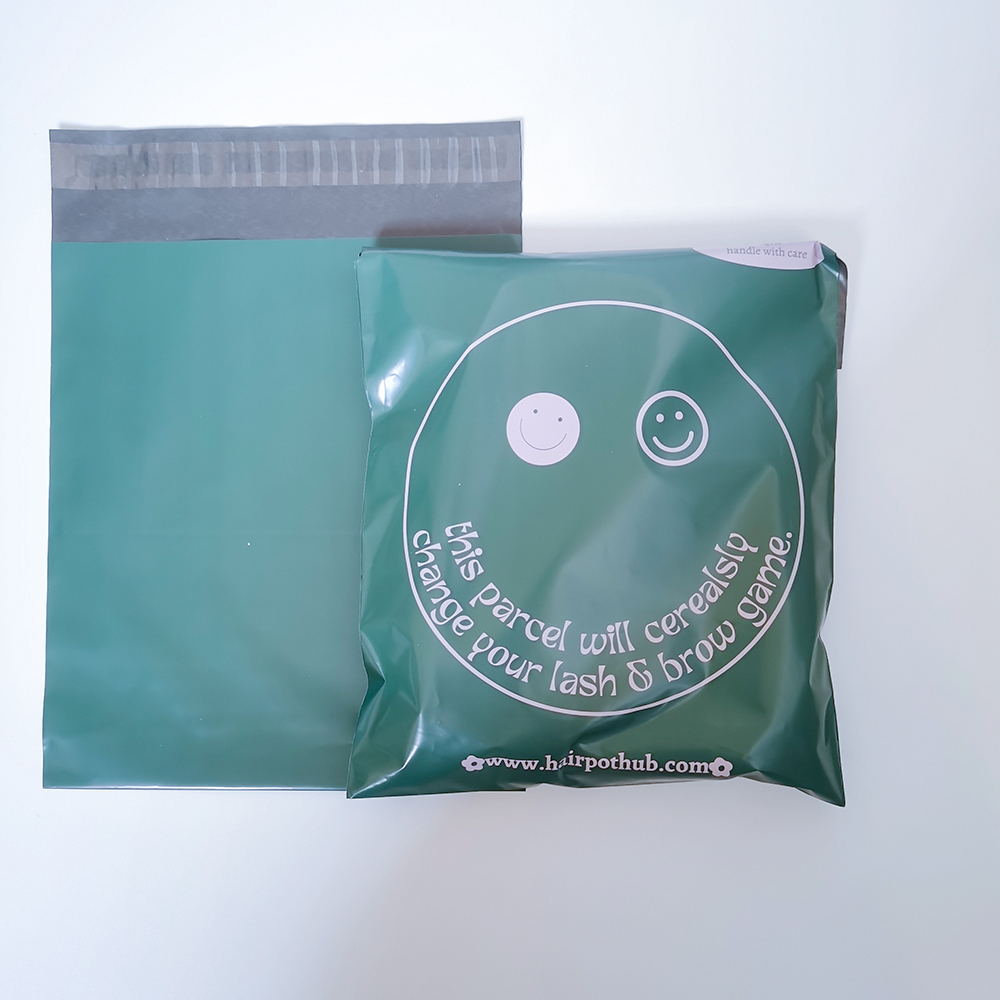
Off-the-shelf poly mailers are fine for low-risk, low-margin goods. But when you’re protecting fragile items, or you need brand messaging and serialised tracking, custom printed options win. Customisation can include reinforced seams, tear strips, printed handling instructions, and unique sizing to reduce void fill. If you sell fragile or premium items, the marginal cost of customisation is often recouped in fewer replacements and better NPS scores. Also, consider options for printed poly mailer bags that include scannable barcodes or heat-sealed closures to speed returns processing and deter theft.
Operational checklist before you switch
Think of the switch as a mini project with clear milestones:
- Run a pilot: test a single SKU through your normal pick-and-pack and courier flows.
- Measure damage rates: baseline current damage and compare post-pilot figures.
- Check line compatibility: verify feed systems and packing ergonomics with your team.
- Confirm lead times and MOQs: align production runs with seasonal demand and storage limits.
Cost vs. value — a quick heuristic
Don’t compare unit price in isolation. Ask: how many returns, replacements and CS hours would a cheaper envelope trigger versus a heavy-duty poly mailer? Factor in freight differences and marketing value from custom printing. For many mid-size brands, the correct metric is cost-per-finalised-order, not cost-per-shipment. That shift in thinking usually favours quality protection over the lowest sticker price.
Advisory: three golden rules when choosing protection for last-mile
1) Test before you scale — pilot on real SKUs, routes and couriers to catch fit and handling issues early. 2) Measure total landed cost — include returns, rework, freight and CS effort when comparing suppliers. 3) Align specs with your fulfilment ecosystem — check feedability, seal type, and barcode placement so the mailer works with your automation and manual stations.
Follow those three rules and you’ll pick a solution that actually reduces cost and hassle — not just packaging that looks nice on the shelf.
For practical, scalable options that balance protection, print and lead-time reliability, WH Packing sits neatly as a sensible partner in the middle ground of customisation and supply predictability. Worth a look if you want last-mile issues to stop being your daily headache.
Sweet as.