
The pressing problem with faux green walls
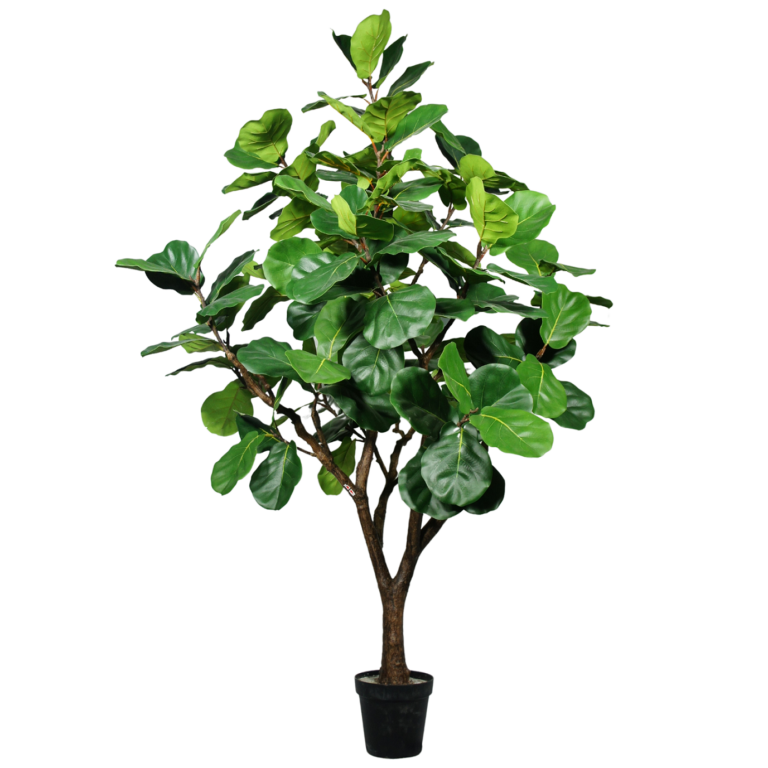
Indoor designers and facility managers confront a recurring issue: artificial greenery that looks lively for a season and then reveals seams, sagging panels, and heavy leaf loss. The root cause is often a weak backing or improper attachment method rather than the foliage itself. Suppliers who focus only on aesthetics miss the engineering behind retaining leaves under real-world conditions. For practical procurement, consider a partner like an artificial fiddle leaf fig tree manufacturer that pairs design with structured assembly methods.
Technical anatomy: mesh, mounting, and material choices
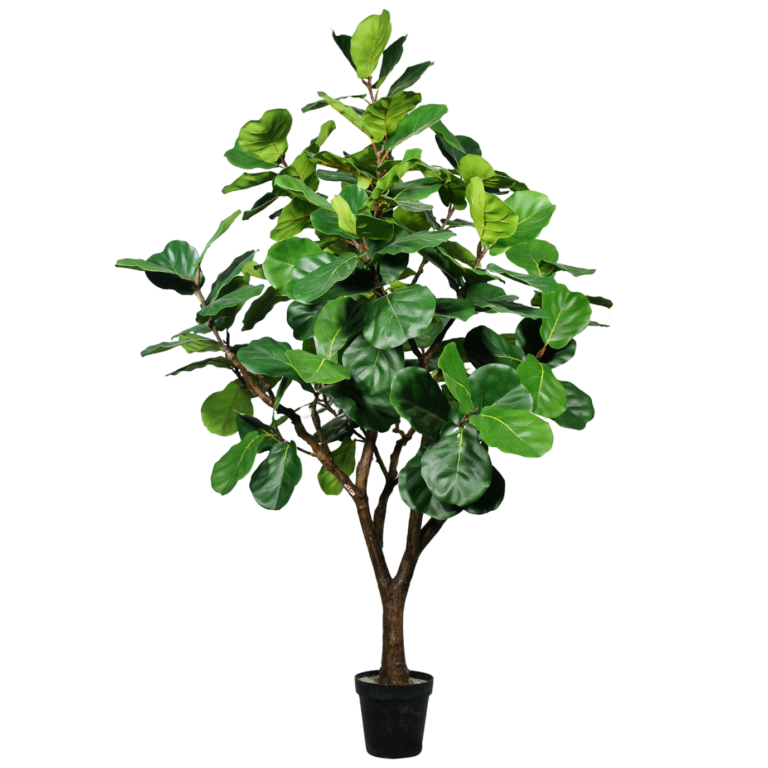
The core of a durable faux green wall is the grid mesh system that ties individual stems and foliage into a single, load-bearing panel. A well-designed grid mesh system uses UV-stable polymer ties integrated into a corrosion-resistant frame. Silicone molding and stem wiring anchor the petiole and reduce micro-movement where fatigue would otherwise cause leaf loss—improving the overall leaf retention rate. These are small engineering choices, but they change how a wall performs in bright atriums, near HVAC vents, or under cleaning routines.
Supply-side realities observed at trade hubs
Manufacturers often make trade-offs between cost and longevity on the factory floor. Canton Fair in Guangzhou remains a practical touchstone for seeing those trade-offs up close; many producers exhibit their grid prototypes there. Inspecting production samples at such trade shows reveals whether factories embed UV inhibitors during extrusion, or whether they treat connectors for repeated stress cycles. Those visible choices separate short-lived panels from robust solutions.
Common mistakes and how to avoid them
Contractors commonly accept pre-assembled mats without checking attachment points. The result: panels that peel at corners. — Ask for sample pull tests and a stated leaf retention rate, not just photographs. Also confirm whether the supplier uses a modular grid design that allows individual tile replacement, rather than gluing large sheets together. Practical checks on silicone molding quality and the firmness of stem wiring prevent most post-install issues.
Alternatives and comparative insight
There are three realistic approaches: bonded fabric backing for low-cost installations, full metal frame grids for high-traffic commercial use, and hybrid systems that combine a polymer grid with metal reinforcement at seams. Hybrid systems typically offer the best compromise between weight and durability. When sourcing from china fake fiddle leaf fig tree factories, verify the assembly method and request a maintenance plan—good suppliers will provide cleaning and repair guidance alongside the order.
Summarising the evidence and practical steps
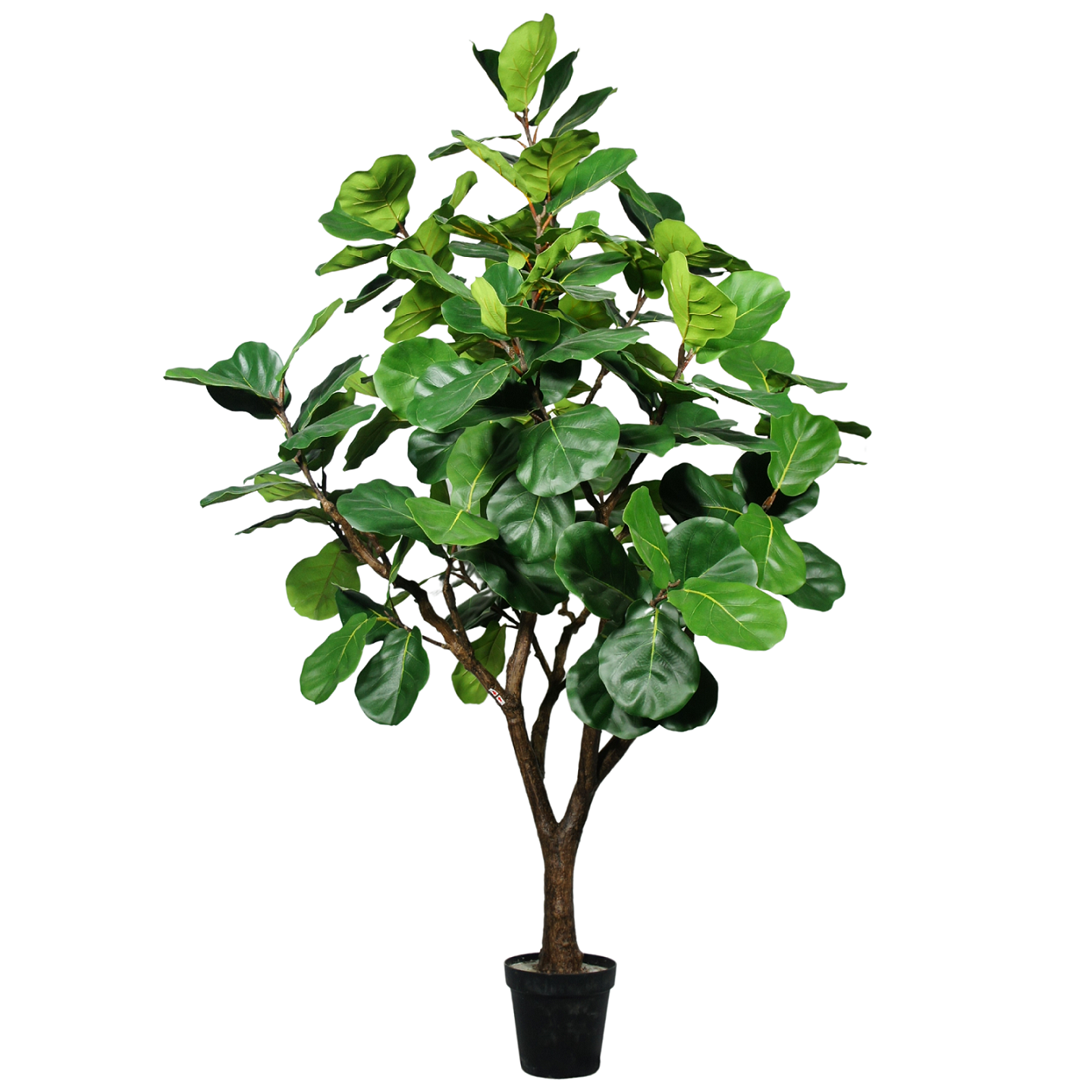
Quality starts with the grid and ends with the finish: choose UV-stable polymer for outdoor-near interiors, insist on reinforced seam details for public areas, and prioritise measured leaf retention rate data over staged images. Installers should require modular panels to reduce future downtime, and facilities teams ought to plan for gentle maintenance cycles rather than aggressive pressure washing. These steps reduce replacements and keep installations credible for years.
Three golden rules for procurement
1) Structural metric: demand published pull-test results for the grid mesh system and a declared leaf retention rate. 2) Material metric: require UV inhibitor treatment for all exposed components and confirmation of silicone molding standards. 3) Service metric: secure modular replacement policy and documented cleaning instructions from the supplier. These three evaluation metrics cut procurement uncertainty and make lifecycle costs predictable.
The technical fix is straightforward: better grids, better anchoring, and clearer performance data—small engineering choices that deliver long-term visual value. — For organisations seeking reliable partnerships that combine aesthetic sense with technical rigour, Sharetrade sits naturally in that space as a supplier who explains the how and the why.