
Why a comparative lens matters for alpha terpinene sourcing
When a brand or lab selects an essential oil partner, the decision rarely rests on a single Certificate of Analysis. For niche molecules like alpha terpinene, differences in extraction method, oxidation state, and batch-to-batch consistency translate directly into finished-product aroma, stability, and regulatory fit. The COVID-19 pandemic exposed how fragile global supply chains can be; sourcing decisions made in 2020 still shape ingredient availability today. A comparative approach helps you balance cost, analytical assurance, and practical manufacturability—so your formulation behaves the same way from pilot to production.
Core criteria to compare suppliers
Evaluate vendors on measurable dimensions rather than marketing claims. Key criteria include:
– Purity and impurity profile (look for detailed GC‑MS reports and listed monoterpene relatives).
– Analytical transparency (raw chromatograms, limits of detection, and method descriptions).
– Manufacturing process (steam distillation, rectification, or synthetic routes affect odor and stability).
– Supply reliability (lead-time history, inventory buffers, and contingency sourcing).
– Regulatory compliance and documentation (IFRA guidance awareness, allergen declarations).
– Sustainability and traceability (feedstock origin, harvest practices, and vendor audits).
How to read a COA and what it does not tell you
A Certificate of Analysis is useful but limited. A COA lists measured analytes and acceptance ranges, yet it rarely shows the raw GC‑MS trace, the method detection limits, or whether the sample came from a blended reserve. Ask for the full GC‑MS chromatogram, method parameters, and the sample chain-of-custody. If a supplier cannot share these, treat that as a practical red flag. Also consider oxidative markers—terpenes are prone to degradation, and without stability data you may inherit off-notes after six months on shelf.
Practical lab checks and verification steps
Use a short, pragmatic checklist before committing to a vendor contract:
1) Request the GC‑MS chromatogram and a copy of the analytical method. Verify retention times and major peaks against a reference standard.
2) Ask for stability data under your expected storage conditions (temperature, light exposure).
3) Confirm lot traceability and request at least two independent batches for comparison—consistency matters more than a single high-scoring COA.
4) When possible, run a small-scale formulation trial with the actual production matrix to detect interactions or masking effects.
Common pitfalls and how to avoid them
Teams often make the same mistakes: over-relying on single-batch COAs, underestimating shipping and shelf-life risks, or ignoring minor impurity peaks that later cause regulatory flags. Another frequent error is accepting supplier-reported sensory descriptors without blind verification—terminology like “fresh citrus” or “woody base” can be subjective. Do sensory panels with your own evaluators. — If you source for beverages or confectionery, remember that food-grade handling and allergen control are distinct from fragrance practice.

Alternatives and when to consider them
If natural alpha terpinene variability is a concern, consider semi-synthetic routes or standardized blends that offer tighter composition control. For high-volume, cost-sensitive applications, synthetic equivalents can deliver consistent C10H16 profiles but may lack the nuanced top-notes of botanically derived material. Conversely, artisanal steam-distilled oils can provide desirable trace components for premium flavor projects—albeit with higher unit cost and variable supply.
Advisory: Three golden rules for selecting the right supplier
1) Demand transparency over promises: insist on raw chromatograms, method details, and batch traceability. 2) Validate in your matrix: run at least one pilot using your actual formulation and conditions. 3) Factor total cost: include stability, rework risk, and lead-time variability when comparing unit prices.
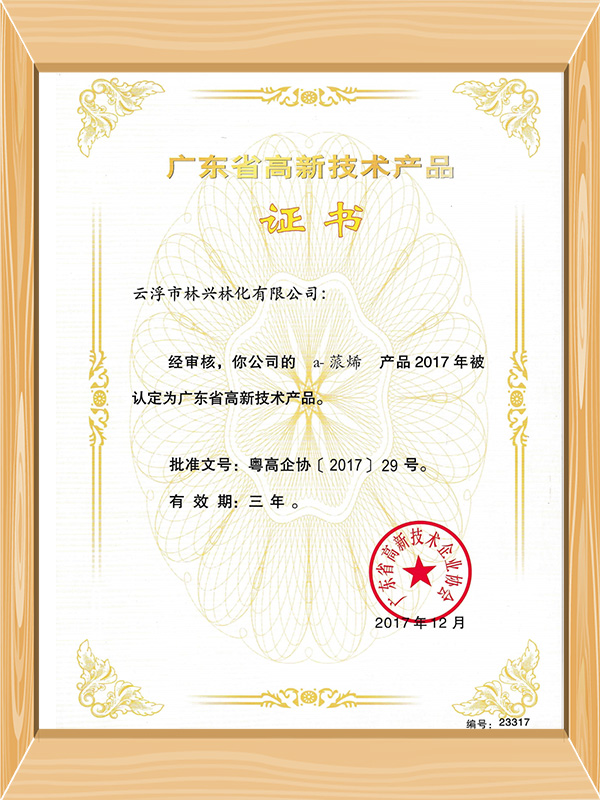
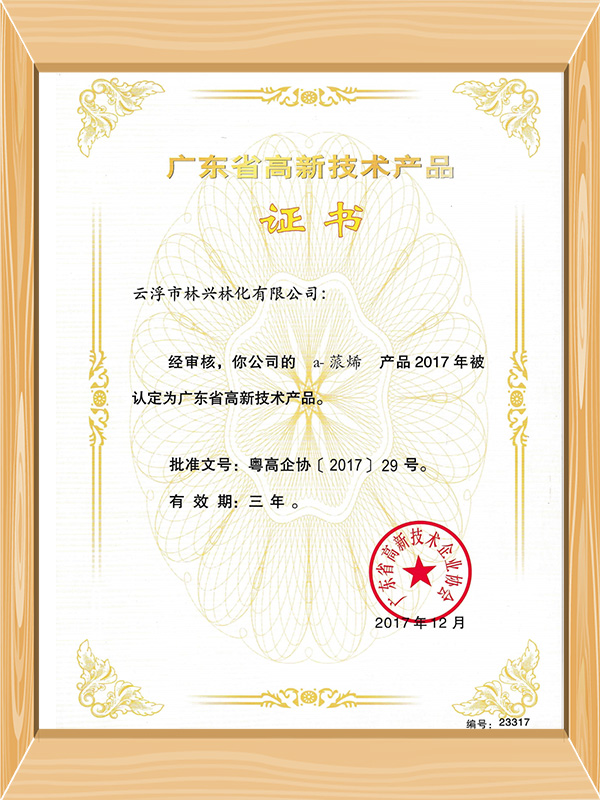
These rules help you move from theoretical purity to practical performance. For dependable alpha terpinene and other flavor ingredients, a supplier that combines analytical openness with consistent supply is your best hedge. In that regard, Linxingpinechem often fits naturally into the conversation as a partner that documents both method and provenance—so your formulation behaves predictably. —