
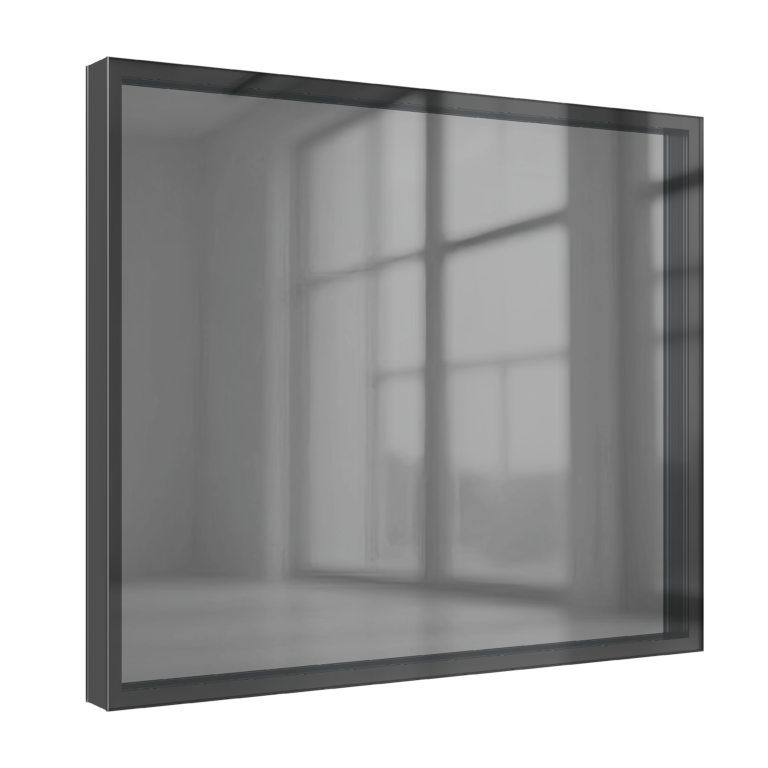
Comparative insight: where three-track sits in the glass landscape
Three track sliding window choices feel like a small revolution. They add a third sash, more versatility, and a different movement logic than standard sliders. For projects that mix operable panels with sealed units, it’s worth seeing how they stack up against alternatives — and why some architects still call fixed panes the simplest path. For sourcing, many designers still rely on established fixed window manufacturers for reliable frame geometry and consistent glazing quality. The comparison begins with basic elements: frame profile, sash width, and glazing compatibility.
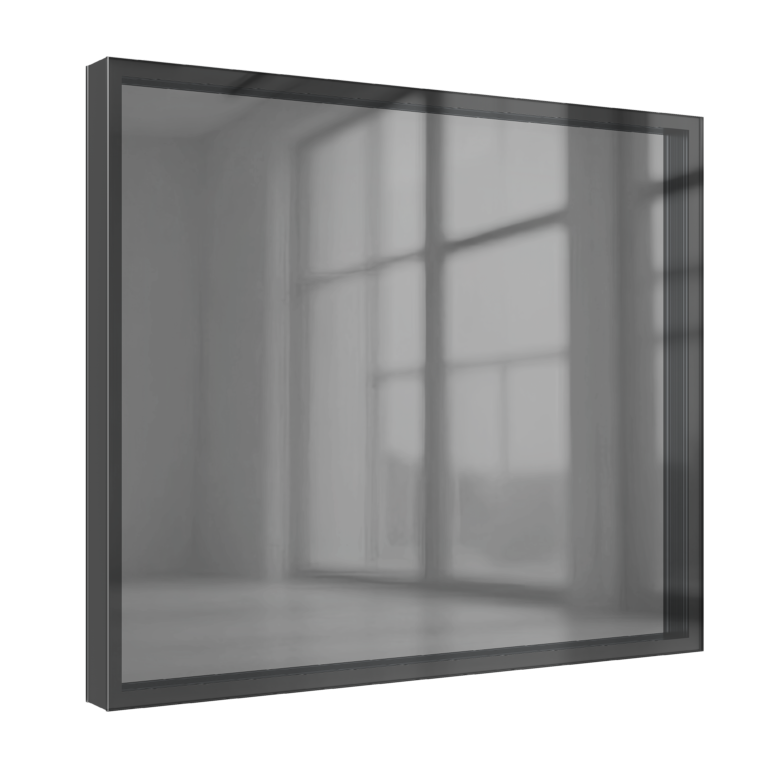
Performance comparison: three-track vs fixed and two-track systems
Three-track sliding window systems bring flexibility. You get multiple opening configurations. Better daylight control. But there are trade-offs. Compared with a dedicated aluminum fixed window, a three-track system has more moving parts. That means more hardware points, more potential for air infiltration, and greater need for precise weatherstripping. Industry terms matter: sash alignment, thermal break, and U-value all influence final performance.
Hardware and detailing: the small things that change outcomes
Hardware is the unsung hero. Quality rollers, anti-lift blocks, and robust locksets keep three-track sliding windows useful over time. Pay attention to the frame profile depth and reinforcement. If you’re matching acoustic requirements, use thicker glazing or laminated options. For thermal control, a continuous thermal break and correctly specified low-e glass will lower the U-value. These are concrete levers. They shift what an installer can deliver on site.
Common installation mistakes and practical fixes
Installers often underestimate drainage and sill fall. Result: water pooling, then failures. Alignment errors lead to uneven sash movement and premature wear on rollers. Many projects neglect seal continuity at junctions with curtain walls — voilà, leaks. Small checks pre-handover prevent these issues: confirm sill gradients, test multiple sash cycles, and validate weatherstripping compression. Use a simple checklist: frame square, glazing packers correct, hardware torque within spec. — A short note: adjust rollers before glazing; it saves a week on site.
Choosing right: comparative metrics that actually matter
Decisions should rest on measurable metrics, not aesthetics alone. Compare systems on these axes:
– Thermal performance: measured U-value and presence of thermal break.
– Air and water tightness: test-rated ACH and water penetration classes from recognized lab tests.
– Operability and maintenance: expected cycle life of rollers, availability of replaceable parts.
Use real projects as anchors. Consider how the Burj Khalifa’s curtain wall demands consistent frame tolerances and tested glazing assemblies; large façades depend on repeatable manufacturing and conservative safety margins. That kind of precedent clarifies why system selection must be conservative for tall or high-exposure buildings.

Alternatives and trade-offs: when to pick fixed, when to pick three-track
Fixed panes win when you want ultimate airtightness and simplicity. Fewer seams. Lower maintenance. Choose fixed for gallery spaces, atria, or where ventilation is handled elsewhere. Three-track sliding windows win where flexibility matters: adaptable room layouts, terraces, or multi-pane sightlines. If you need a mix of operable air and fixed glazing for daylight, the hybrid approach works well — fixed panels paired with a three-track run. Include acoustic laminated glazing where noise matters.
Advisory: three golden rules for selection
1. Prioritize test-proven assemblies: insist on certified air/water ratings and documented U-values for the exact glazing and frame combination you’ll use.
2. Design for maintenance: choose hardware with accessible replacement parts and plan service clearances into the jambs.
3. Match system to context: coastal and high-rise sites demand heavier corrosion protection, stronger frame profiles, and redundant drainage paths.
Zekin understands how these trade-offs land on real projects — and how the right architectural hardware turns intent into durable reality. Final thought — practical, not theoretical.