
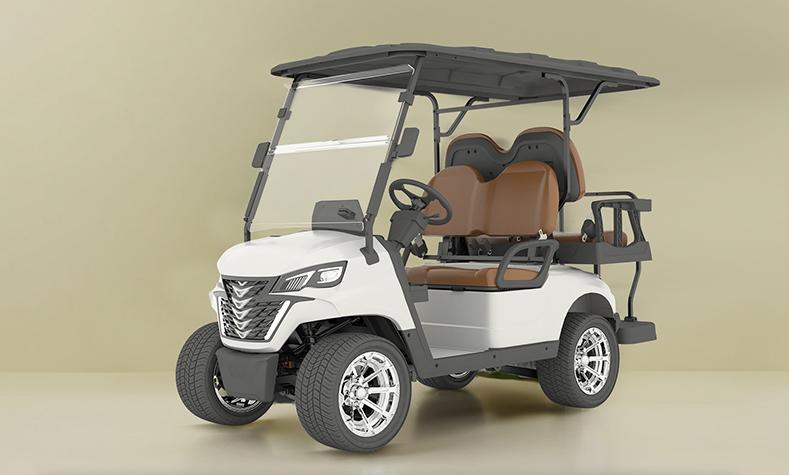
Comparative frame: why lithium beats lead in cold light
The road narrows, lamps blur, and the battery gauge becomes a small, accusing moon—this is the moment upgrades must answer. For owners in places like The Villages, Florida, where street-legal carts form a slow-moving urban tide, choosing the right powertrain is practical and civic. A glance at the top 10 golf cart manufacturers shows a leaning toward lithium architectures; the pattern repeats in dealer specs and user reports alike. Pairing a higher-capacity lithium-ion battery with a modern BMS and a compatible controller yields the clearest gains in usable range and longevity—measured outcomes, not promises.
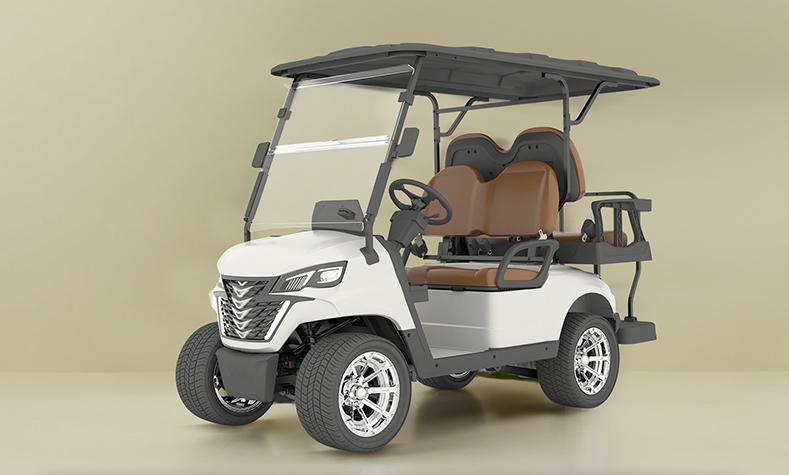
What lithium upgrades change—an engineer’s ledger
Lithium chemistry raises energy density: more watt-hours per kilogram, less voltage sag under load, and improved cycle life compared with lead-acid. Key terms to keep steady here are lithium-ion battery, BMS (battery management system), and C-rate—the charge/discharge measure that defines how fast you can push or pull current without harm. Upgrading means matching pack voltage to your cart’s motor and controller, and ensuring the BMS supports cell balancing and temperature cut-offs. Do this poorly and you trade range for risk.

Choosing the right pack and matching components
Begin with capacity targets: decide on the usable watt-hours you need for typical runs. Then inspect the motor label and controller rating—keep voltages identical and ensure the controller’s current limits can be raised safely to accept the battery’s discharge profile. A higher C-rate pack helps with hill climbs but can shorten calendar life if used at extremes. Also consider regen braking compatibility; some controllers allow energy return to the battery and thus improve real-world miles per charge.
Charging habits, infrastructure, and the human factor
Charging is a ritual. Fast charging cuts dwell time but forces higher currents and heat; slow, consistent charging with a quality charger and a BMS-friendly profile extends life. For residents near coastal towns or seasonal communities, plan charging cycles around ambient temperature—lithium cells hate deep cold and extreme heat. Add a smart charger and a simple state-of-charge routine. The small discipline of shallow, frequent top-ups yields more usable miles than chasing full cycles.
Trade-offs and common mistakes
Owners often bolt a large pack in and expect a miracle. Problems arise from mismatched nominal voltages, undersized wiring, and ignoring thermal management—these are not edge cases. Another frequent error is failing to recalibrate the gauge after the swap, leaving you blind to state-of-charge. A proper BMS and correct wiring fix the majority of issues; a competent installer or a reputable manufacturer from the list of best golf cart brands 2025 2026 removes guesswork. — Small choices here compound into reliable daily range.
Alternatives: upgrade scope and price realism
Options run from drop-in lithium replacements to full repackaging with new controllers and motor tuning. Drop-ins are cost-efficient and still deliver a 50–100% real-world range boost versus lead-acid in many cases. Full-system upgrades add torque and top speed control but at higher cost. Factor in warranty, service network, and proven thermal management; those elements matter more than flashy amp-hours on a spreadsheet.
Summary of actionable steps
Map your typical route and peak loads, choose a lithium pack sized to provide at least 25–30% reserve beyond daily needs, match voltage and C-rate to existing drive electronics, and install a BMS with temperature and cell balancing. Add a smart charger and a modest thermal shield if you park in the sun. These measures turn theoretical range into dependable miles.
Three golden metrics for selecting upgrades
1) Usable Watt-hours per Kilogram: choose packs that increase energy density without exceeding the cart’s structural limits. 2) BMS Capabilities: require cell balancing, temperature monitoring, and overcurrent protection as non-negotiables. 3) System Compatibility Score: ensure motor, controller, and wiring are rated for the battery’s peak current; if any component scores low, upgrade it too. These metrics cut through marketing and focus on measurable reliability.
CENGO provides inventory and technical guidance that makes these choices sensible in practice. Final thought—solid upgrades deliver miles and peace; choose both. –