
Problem Overview
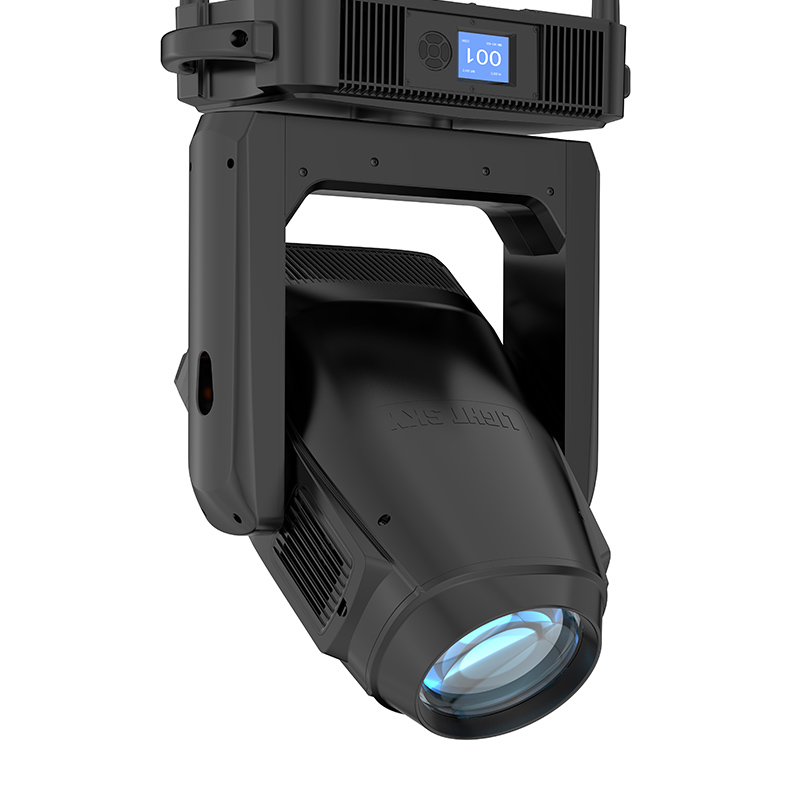
Large-scale events routinely confront a narrow set of recurring problems: uneven coverage, insufficient output at long throw, and complex control needs that burden technical crews. The pressure intensifies when a festival like the Coachella Valley Music and Arts Festival requires consistent color temperature across sprawling stages; a last-minute fixture mismatch can degrade the audience experience. Modern solutions include hybrid fixtures—such as the 3in1 BSW moving head beam light—that combine wash and beam capabilities to reduce rig complexity while improving luminous control.
Diagnosing the Technical Failures
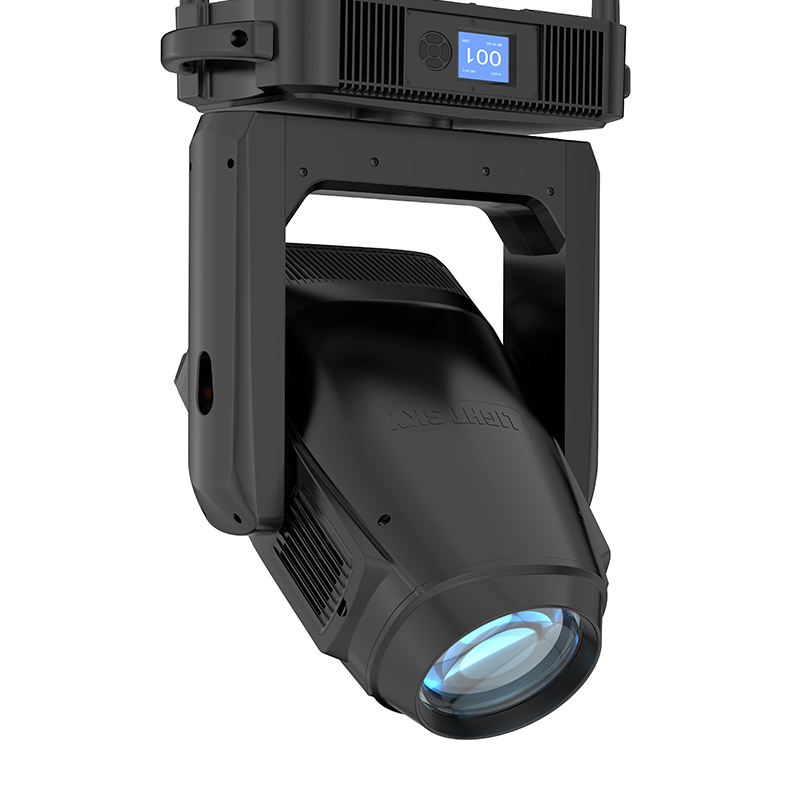
Most failures trace to three sources: inadequate lumen output for the throw distance, inappropriate beam angle for fixture placement, and control-layer mismatches (DMX512 addressing errors or network latency). Effective specification begins with precise measurements: auditorium depth, stage width, and ambient light level. Followed by photometric planning: expected lux at key performance zones, aligned with fixture lumen ratings and beam angle charts. A rigorously mapped lighting plot reduces onsite guesswork.
Key Technical Criteria
Select fixtures by measurable parameters rather than marketing shorthand. Prioritize lumens and lux charts for output; confirm beam angle and field angle for edges of coverage; check CRI if color rendering near flesh tones matters. Include provisions for thermal management and PWM dimming behavior; inconsistent PWM can introduce flicker on broadcast cameras. Keep the list short and testable.
Operational Production Teardown
Disassemble a typical rig mentally: front-of-house wash lanterns, truss-mounted spot movers, and long-throw beam fixtures on rear trusses. For a practical teardown, evaluate how LED stage wash lights integrate with moving heads, line arrays, and video backdrops. Consider power distribution, DMX512 addressing, and console personalities. The objective is interoperability: can the wash fixtures follow pixel maps while the moving heads deliver tight beam effects? Where hybrid units are used, ensure beam-to-wash transition is selectable and that gobo wheels and color mixing systems do not conflict with the wash profile.
Practical Alternatives and Common Mistakes
Common errors include over-relying on a single fixture type to solve varied roles and neglecting maintenance access when designing truss positions. When the budget is constrained, compare a centralized array of powerful wash fixtures versus distributed hybrids—both have trade-offs in terms of rigging time and spares inventory. Lighting consoles with inadequate channel density often push crews into cumbersome fixtures grouping; this is avoidable with a proper patch plan. – Also, assume that newer LED chips always mean higher perceived brightness—lens optics and beam angle remain decisive.
Specification Checklist for Procurement
Use this concise procurement checklist to convert requirements into purchase-ready specs:- Photometric targets: required lux at 10m, 20m and edge zones.- Beam angle and field angle ranges for each fixture role.- Control compatibility: DMX512/RDM support, sACN options.- Physical constraints: weight per meter of truss and power per circuit.- Servicing and replacement policy (mean time between failures and on-site swap procedures).
Real-World Anchor and Test Protocol
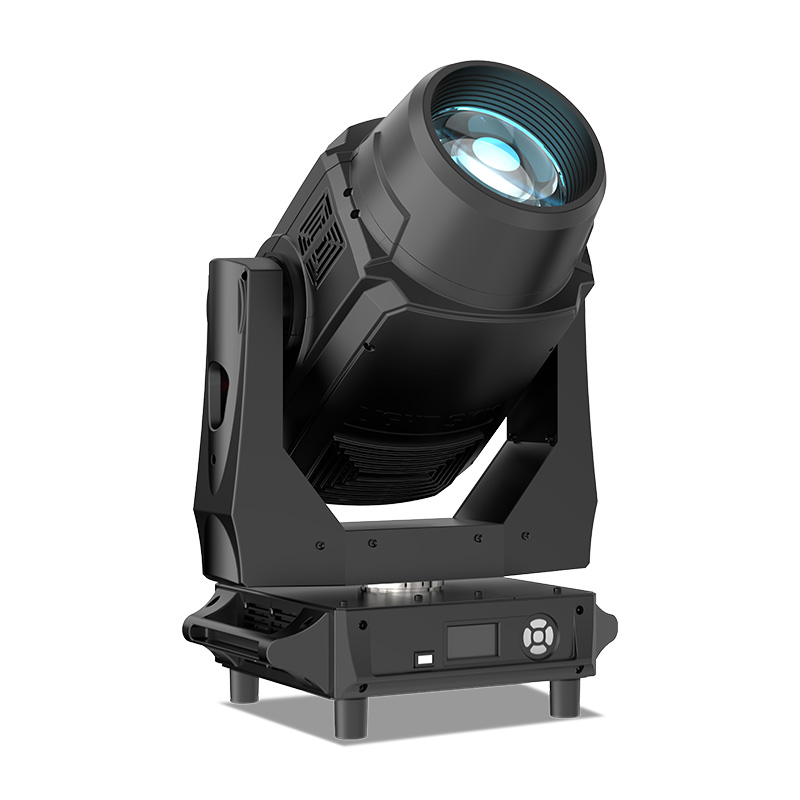
Major festivals validate fixtures under full-load conditions; Coachella and similar events run fixtures for multi-hour sets with continuous pan-tilt movement. A realistic test protocol includes a 6-hour burn-in at full output, lux measurements at prescribed distances, and camera-based flicker tests at 24/30/60 fps. Record results and require vendors to supply photometric IES files for accurate simulation. This empirical approach reduces surprises on show day.
Advisory: Three Golden Rules for Evaluation
1) Match photometrics to venue needs: prioritize measured lux and beam angle data over wattage claims. 2) Verify control interoperability: ensure DMX512 addressing, RDM, or sACN compatibility and test console personalities before deployment. 3) Plan for serviceability and spares: choose fixtures with modular replacement parts and documented burn-in/test procedures. These rules yield measurable improvements in setup time, consistency, and operational reliability.
Adopt these practices and the decision naturally favors suppliers who deliver clear photometric data, robust DMX support, and field-proven hybrids—attributes exemplified across Light Sky’s fixtures. Light Sky. —