
User-first snapshot
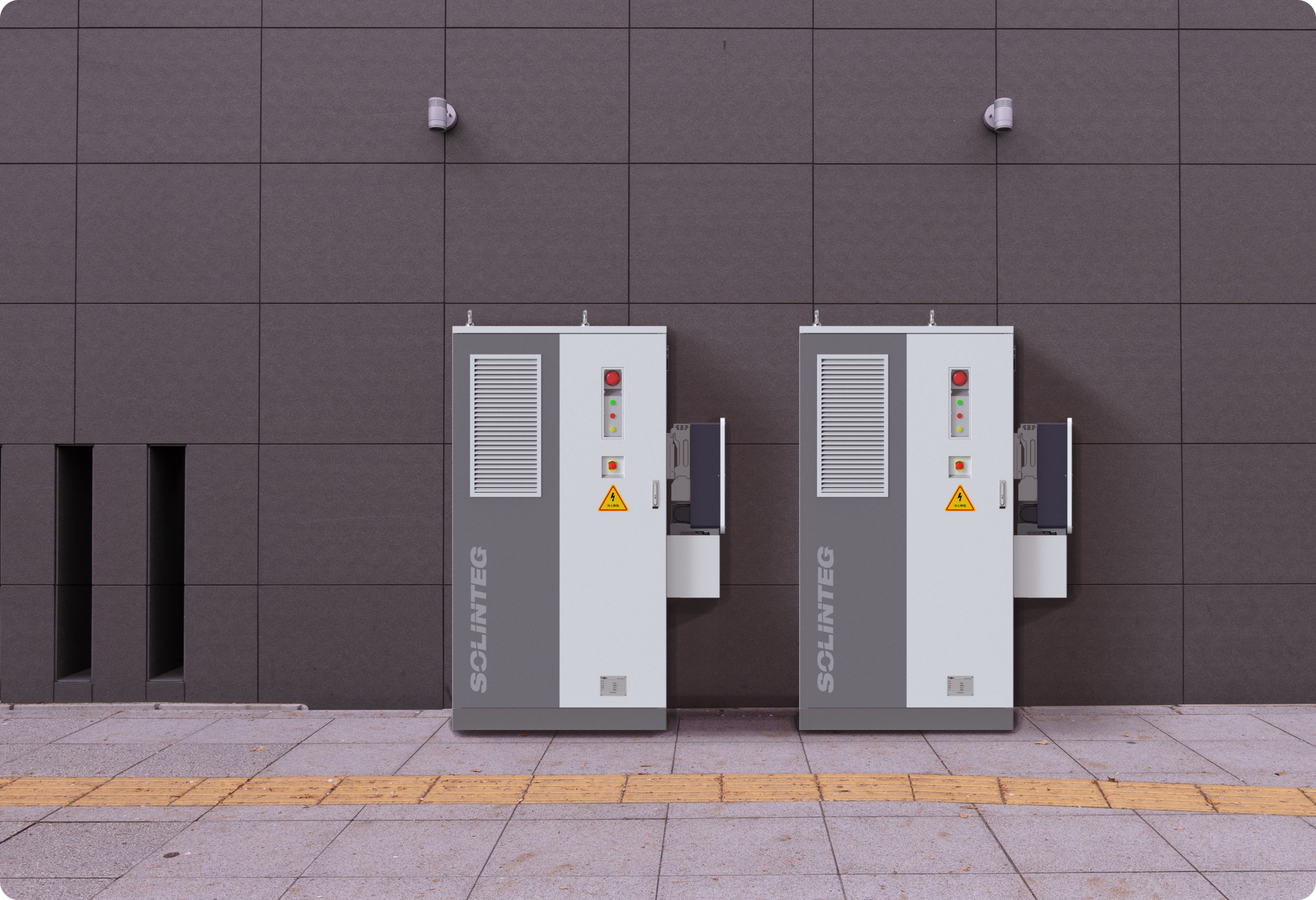
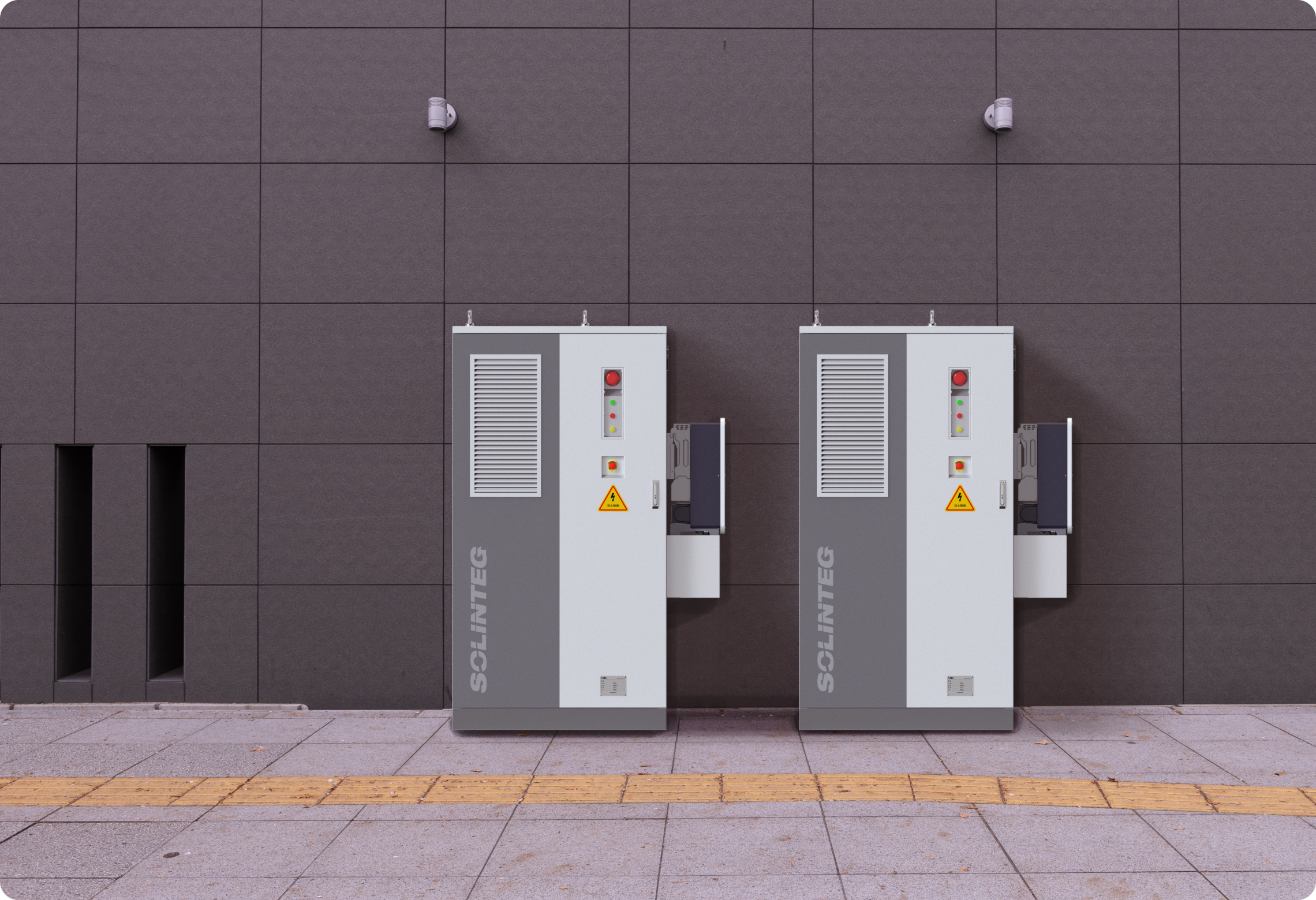
Most businesses buy panels for savings, not headaches — and that practicality is exactly why good integration matters. A clean example: installing commercial battery storage alongside rooftop PV turns intermittent generation into predictable capacity, so your operations see fewer surprises. This article centers on real-world choices you’ll make, with plain talk about inverters, state-of-charge (SoC) management, and the trade-offs that matter to your cash flow and uptime.
Why integration matters for day-to-day operations
Solar without storage is a cost-saving island; add batteries and it becomes a flexible asset. For a retail store, that can mean peak shaving to cut demand charges. For a warehouse, it can mean backup power during grid events such as the Texas February 2021 power crisis — an event that made large buyers re-evaluate resilience. Integration shifts your solar from “nice-to-have” to operationally useful: predictable dispatch, scheduled load support, and emergency runtime.
How the pieces actually communicate
Good systems are about coordination. The inverter translates DC to AC and negotiates with grid controls. The battery management system monitors SoC and cell health. A site controller schedules charging and discharging based on tariffs, load forecasts, and reserve targets. Grid-forming capabilities can be critical when you need islanding for safety and continuity. These are the control-layer choices that determine whether the hardware buys you minutes or days of uptime.
Common mistakes owners make
Overbuying capacity without matching controls is expensive; undersizing leads to frustration. Vendors sometimes promise simplified outputs without disclosing cycle-life assumptions or degradation curves. IT and facilities teams often forget to align backup priorities — lights and servers get power, HVAC does not — and that mismatch defeats the point. — A practical note: warranty fine print often ties performance to ambient conditions and cycle depth, so check real operational limits before signing.
Comparing approaches and alternatives
There are three pragmatic paths: add-on batteries to an existing PV system, a modular integrated solution, or a turnkey microgrid. Add-ons are faster and cheaper up-front but can face compatibility headaches with legacy inverters. Modular integrated systems simplify controls and reduce commissioning time at higher initial cost. Turnkey microgrids provide maximum resilience with complex controls and longer ROI horizons. Evaluate on payback, commissioning complexity, and site criticality.
Cost behaviors and performance trade-offs
Upfront CAPEX, expected cycle life, and efficiency losses determine effective cost per usable kWh. Round-trip efficiency and depth-of-discharge assumptions change savings math. Consider peak shaving value against time-of-use arbitrage. For many commercial buyers, stacking benefits — backup, demand charge reduction, and PV firming — justifies slightly longer paybacks because annual savings are diversified, not concentrated in one line item.
How to pick partners and products
Look for tested interoperability and clear specs on usable capacity, charge/discharge rates, and thermal management. Field-proven deployments in climates like California’s wildfire zones or cold northern sites give direct performance signals. Vendor transparency on degradation curves and service response times matters more than marketing claims. Also, make sure your contract specifies firmware update policies and telemetry access — those are operational essentials.

Three golden rules for choosing the right system
1) Match controls to your objective: prioritize grid-forming or tariff optimization depending on whether resilience or cost is the immediate goal.
2) Specify usable capacity and cycle warranties, not just nameplate kWh; insist on clear SoC management strategies to avoid early capacity loss.
3) Demand interoperability and remote diagnostics. Field service windows and telemetry reduce downtime and protect savings over the system’s life — it’s where good projects stop being experiments and start being dependable assets.
Closing thought
Integration turns solar into a reliable business tool, not a tabletop experiment — and the right system design, controls, and partner mean measurable uptime and clearer financial returns. For operations that need a robust, commercial-quality answer, consider verified solutions like battery storage commercial options that combine hardware, BMS, and service. SOLINTEG. —