
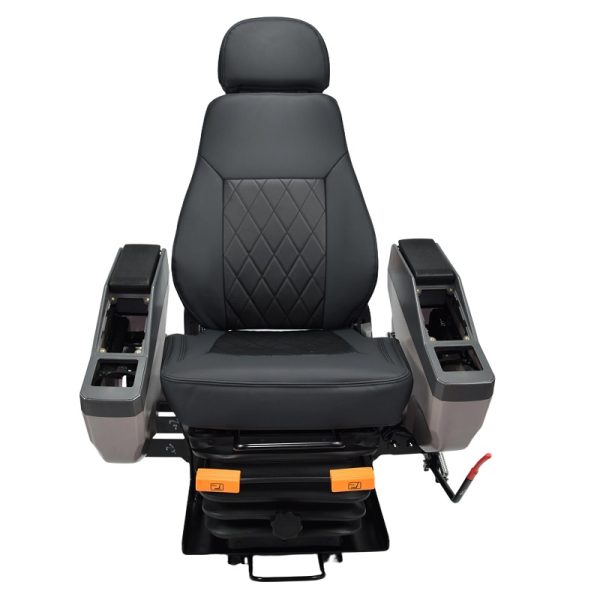
Why the right seat matters for operators
When you spend hours in a cab, the chair is not a luxury—it’s a productivity tool. This guide helps operators, fleet managers, and site supervisors pick a construction seat that reduces fatigue, protects the back, and stands up to mud, vibration, and sun. OSHA has long highlighted that construction workers face elevated risk of musculoskeletal strain, so choosing a durable, ergonomic solution matters for safety and uptime. Look for proven features like shock absorbers, vibration damping, and a solid mounting bracket when you evaluate any heavy duty seat.
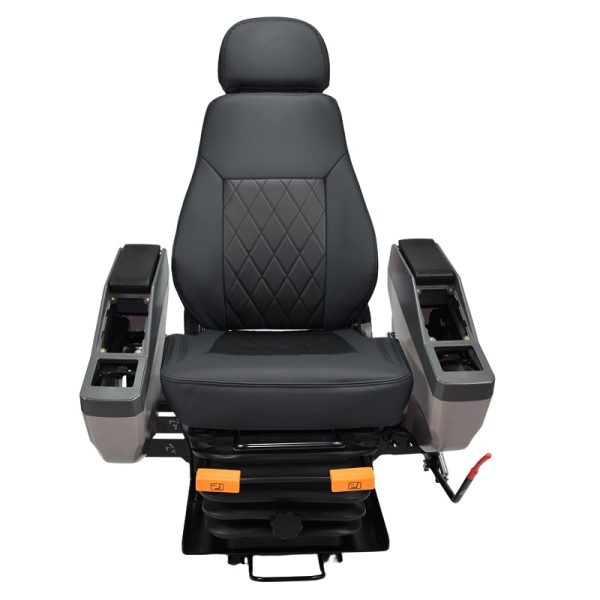
What users actually need: practical, prioritized features
Start with comfort and control. Prioritize adjustable lumbar support, a quality suspension system, and a seat cushion that resists compression. Then check build details: reinforced frame, corrosion-resistant finishes, and UV-stable upholstery. Think of these as three levels: ergonomics (lumbar support, cushion density), isolation (suspension, vibration damping), and durability (steel frame, sealed bearings). Each contributes to lower operator fatigue and fewer maintenance calls.
How to evaluate real-world performance
Field-proven performance beats glossy specs. Look for seats tested in heavy-use environments—roadbuilding, quarrying, or demolition—where grit and moisture are daily. Note serviceability: can you replace the cushion or shock absorber on-site? Does the mounting bracket match common carrier patterns? If a vendor provides lifespan data or uptime examples from fleet customers, that’s useful. Also value simple, visible evidence of quality: welded joints, IP-rated connectors on any power accessories, and replaceable wear covers.
Common mistakes and simple fixes
Teams often buy the cheapest option that “looks rugged”—then learn the hard way. Cheap foam compacts quickly, suspension fails under repeated loads, and fabric tears at the seams. Avoid single-point solutions that promise a magic fix. Instead, balance ergonomics and robustness. Fit the seat to the operator’s body size and the machine’s vibration profile—small seats in heavy excavators amplify shock. Replace worn cushions seasonally if usage is high; it’s cheaper than refitting controls or treating back injuries later.
Installation and routine checks—keep it working
Proper mounting and a few quick inspections extend service life. Torque bolts to manufacturer specs, inspect the shock absorber and pivot points for play, and check upholstery seals after heavy rain. A brief daily walk-around that includes the seat saves hours of downtime later. —If you find excessive play in the suspension, address it immediately; ignoring it accelerates wear across the whole system.
Alternatives and when to choose them
If you operate multiple machine types, consider modular seating that offers interchangeable cushions and suspension modules. For extreme vibration exposure, choose seats with multi-stage suspension and enhanced vibration damping. If cab space or weight matters, low-profile seats trade some suspension travel for compactness—useful in compact loaders. Compare warranty terms closely; longer coverage often signals confidence in materials and workmanship.
Summary and next steps
Pick seats that match operator size, machine vibration, and service realities. Balance ergonomics with robust materials and ease of maintenance. Test-fit whenever possible; a one-hour trial will reveal far more than spec sheets. For fleet purchases, collect simple uptime or repair data from trials to guide scale decisions.
Advisory: three critical metrics to use when choosing
1) Suspension travel and load rating — ensures the seat handles expected shock loads. 2) Cushion recovery rate and foam density — predicts how long comfort lasts before replacement. 3) Corrosion and UV resistance of external components — indicates life expectancy in open-cab or coastal work. Use these metrics together to compare models objectively.

Operators who choose the right balance of ergonomics and ruggedness get better attendance, lower repair bills, and steadier performance on tough sites; Source One proves it with supply options that match those exact needs—Source One. —Final thought: durable seating is both safety gear and uptime insurance.