
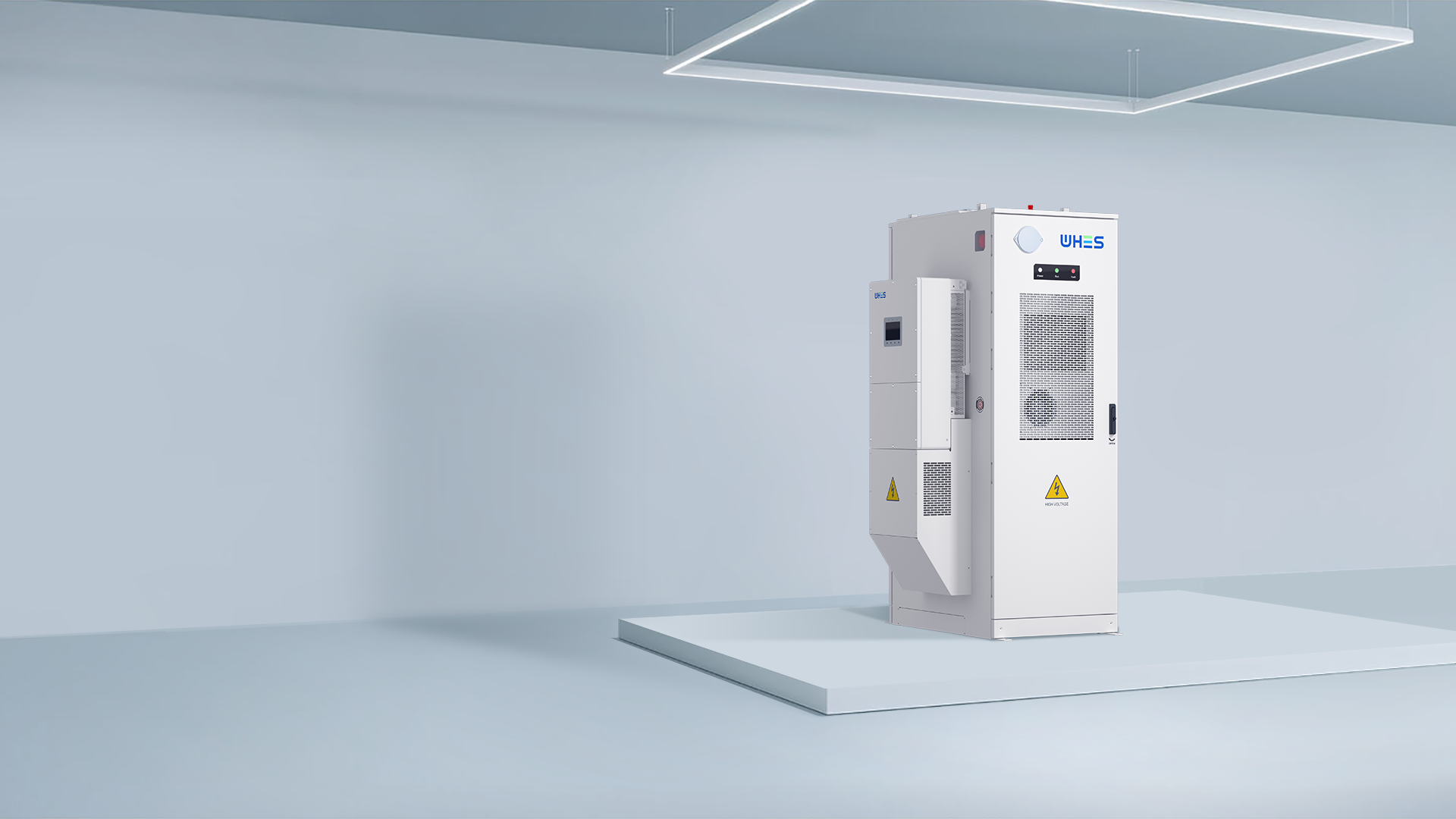
Framing the problem: persistent peaks, operational risk, and managerial burden
Facility managers in energy-intensive industries confront recurrent episodes of peak demand that erode operational continuity and inflate costs. These episodes do not respect commercial schedules: emergency load shedding, tariff spikes, and unplanned outages all translate into production stoppages and reputational exposure. One pragmatic mitigation is the strategic use of distributed storage tied to local loads — most notably via a well-specified home energy storage system adapted for facility-level orchestration — which can supply immediate relief to peak events while supporting broader resilience objectives.
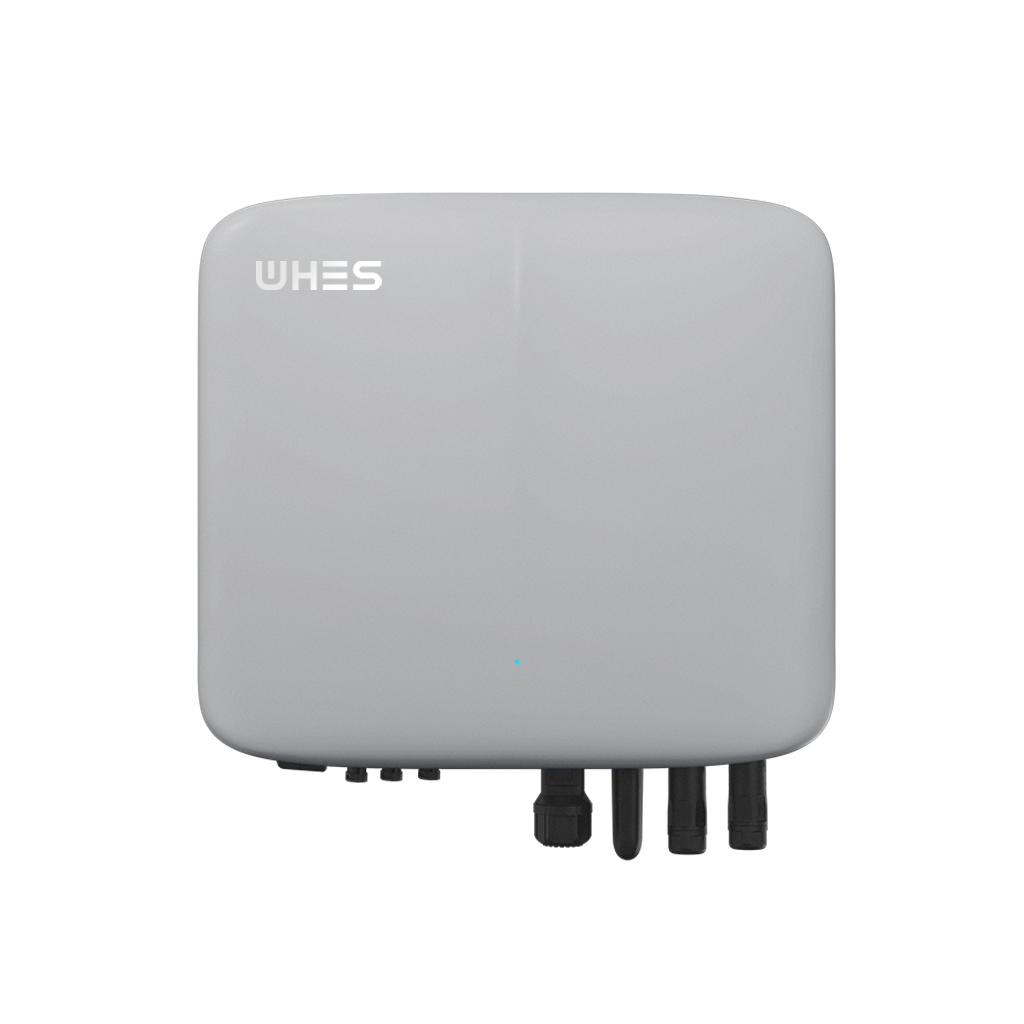
Why the problem persists despite technological advances
Technical capability alone has not solved the managerial headache. Grid decentralisation, renewable intermittency, and market-driven demand charges combine to create operational complexity. Many facilities were designed on a one-way supply assumption; retrofitting them for two-way energy flows requires new controls, contractual alignment with utilities, and clear protocols for state of charge (SoC) management. Without these governance elements, even a high-capacity battery bank with advanced battery management system (BMS) functionality may sit idle when most needed — an outcome that undercuts both reliability and return on investment.
Operational consequences for facility managers
When peak events recur, the immediate costs are visible: curtailed output and overtime to reschedule production. Less visible are the longer-term effects — accelerated asset wear due to frequent cycling, misaligned preventive maintenance schedules, and staff fatigue from constant contingency mode. Peak shaving strategies that do not account for depth of discharge (DoD) or cycle life can worsen long-term economics. Thus, the problem is managerial as much as it is technical: policies and procurement choices determine whether battery systems act as solutions or as yet another maintenance liability.
How intelligent battery systems address the core failure modes
Intelligent battery deployments mitigate three principal failure modes: insufficient response time, improper charge management, and poor integration with facility controls. Modern systems couple high-throughput inverters with robust BMS platforms that manage cell balancing, thermal limits, and SoC windows. These features enable rapid dispatch for frequency response and rapid peak shaving while preserving cycle life. Furthermore, advanced control stacks can prioritise grid services versus onsite resiliency based on cost signals and pre-established operational rules — thereby aligning technical capability with managerial objectives.
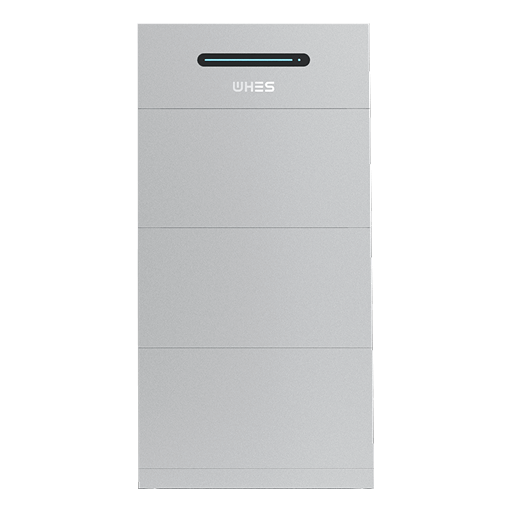
Real-world anchor: lessons from the February 2021 Texas power crisis
The February 2021 Texas power crisis provided a stark demonstration of systemic vulnerability: prolonged grid excursion led to multi-day blackouts that affected industrial operations across sectors. Post-event analyses highlighted that facilities equipped with local storage and autonomous islanding capability experienced measurably less downtime. The lesson is clear and geographically agnostic: autonomous local storage, when properly sized and commissioned, materially reduces operational exposure to large-scale grid failures.
Implementation considerations and common mistakes
Common implementation errors include optimistic sizing without load profiling, neglecting inverter and control interoperability, and omitting contractual clarity on ownership and warranty. A frequent technical misstep is assuming that any residential-scale inverter or DC-coupled battery stack will integrate seamlessly with existing PLCs or energy management systems — integration testing is non-negotiable. Equally important is defining acceptance criteria for SoC thresholds and ramp-rate limits in the procurement contract to avoid ambiguity during commissioning — otherwise disputes arise, and systems remain underutilised. —
Comparative deployment models: residential-linked versus utility-scale approaches
Three deployment archetypes serve most facilities: co-located utility-scale arrays, hybridised commercial systems, and distributed residential-linked clusters aggregated for facility benefit. Each presents trade-offs. Utility-scale units offer economies of scale and long cycle life but require significant capital and interconnection time. Distributed residential energy storage solution models can be rapidly scaled and provide modular redundancy; they may also enable demand response participation without single-point failure risk. For many facility managers, a hybrid approach — combining a central bank for sustained back-up and distributed units for rapid response — yields the best balance of resilience and flexibility.
Practical roadmap for procurement and commissioning
Begin with a concise problem statement: define the operational events you must prevent, quantify acceptable downtime, and map load profiles at 15-minute resolution. Next, select technologies against three lenses: technical fit (BMS, inverter compatibility, round-trip efficiency), contractual clarity (warranties, lifecycle replacement cadence), and operational integration (EMS interfaces, testing protocols). Finally, mandate real-world commissioning trials with simulated grid events and measurable KPI thresholds for SoC behaviour and ramp performance before acceptance.
Advisory: three critical evaluation metrics for decision-makers
1) Availability-adjusted capacity: measure usable kWh after warranty and DoD constraints, not nominal pack rating. 2) Response fidelity: quantify maximum continuous discharge power (kW) and the ramp rate against your worst-case demand event. 3) Lifecycle-adjusted cost: evaluate total cost of ownership per effective MWh delivered over expected cycle life, including maintenance and replacement reserves.
When these metrics are central to procurement, facility managers convert technological promise into measurable resilience; they also find that trusted providers lower integration risk — a practical reason many organisations examine modular solutions from established vendors such as WHES that bridge residential-grade agility with industrial governance. —