
The day the batteries told me what they didn’t like
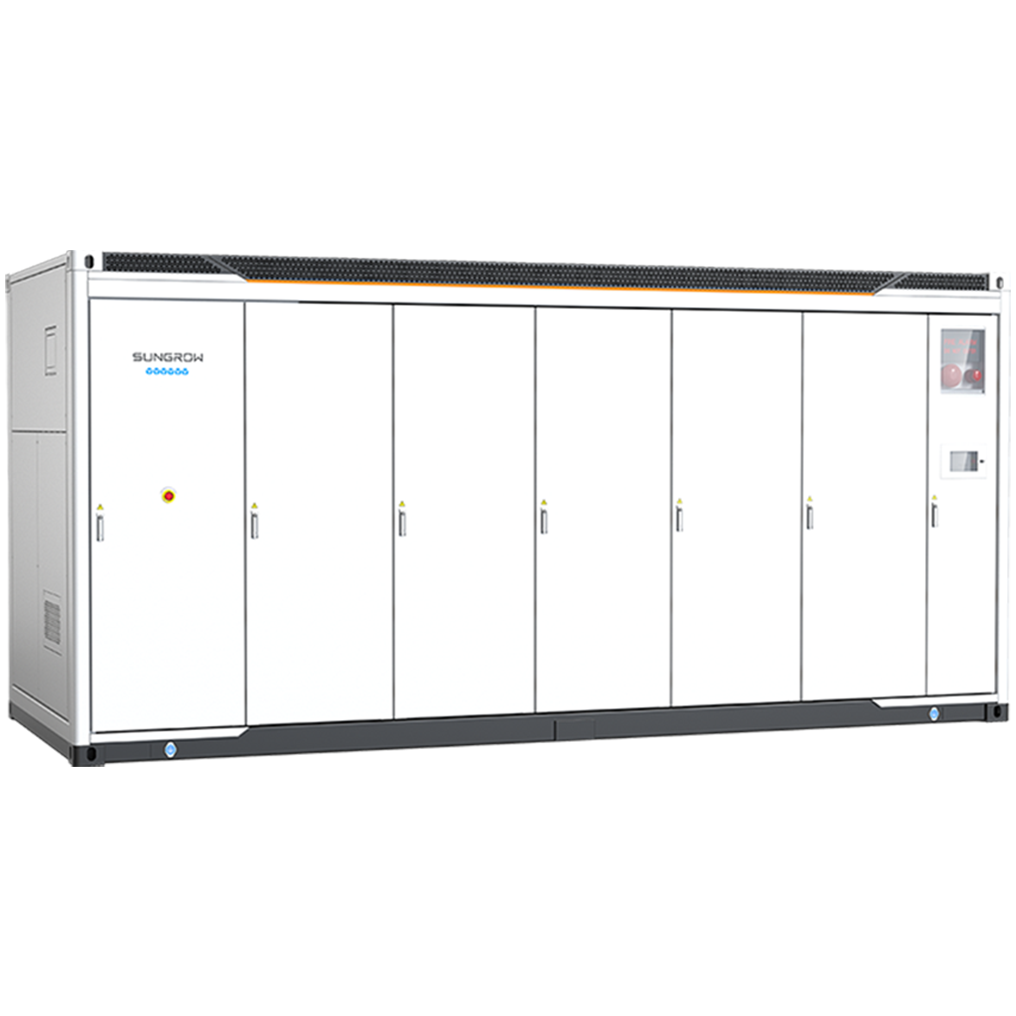
I once stood next to a 5 MWh Li-ion container at a mid-size energy storage plant in Arizona (March 2020) as steam rose from its thermal jacket — the scene stuck with me. A battery storage power station can promise firm capacity and peak shaving, but that particular installation lost 8% capacity in 18 months because the thermal management and BMS settings were mismatched; what happens when the numbers in the field don’t match the spec sheet, and who pays for the shortfall? To be honest, that disconnect is where most operators lose money. I’ve spent over 15 years working with B2B buyers and installers, and I still see the same faulty assumptions: oversized inverters, ignored state of charge (SoC) swings, and BMS tuning set by paper, not by heat maps. (Not kidding.) Here’s the wrench in the works — let’s dig into why that matters next.
Why do standard fixes keep failing?
Breaking down the real failure modes — the technical side
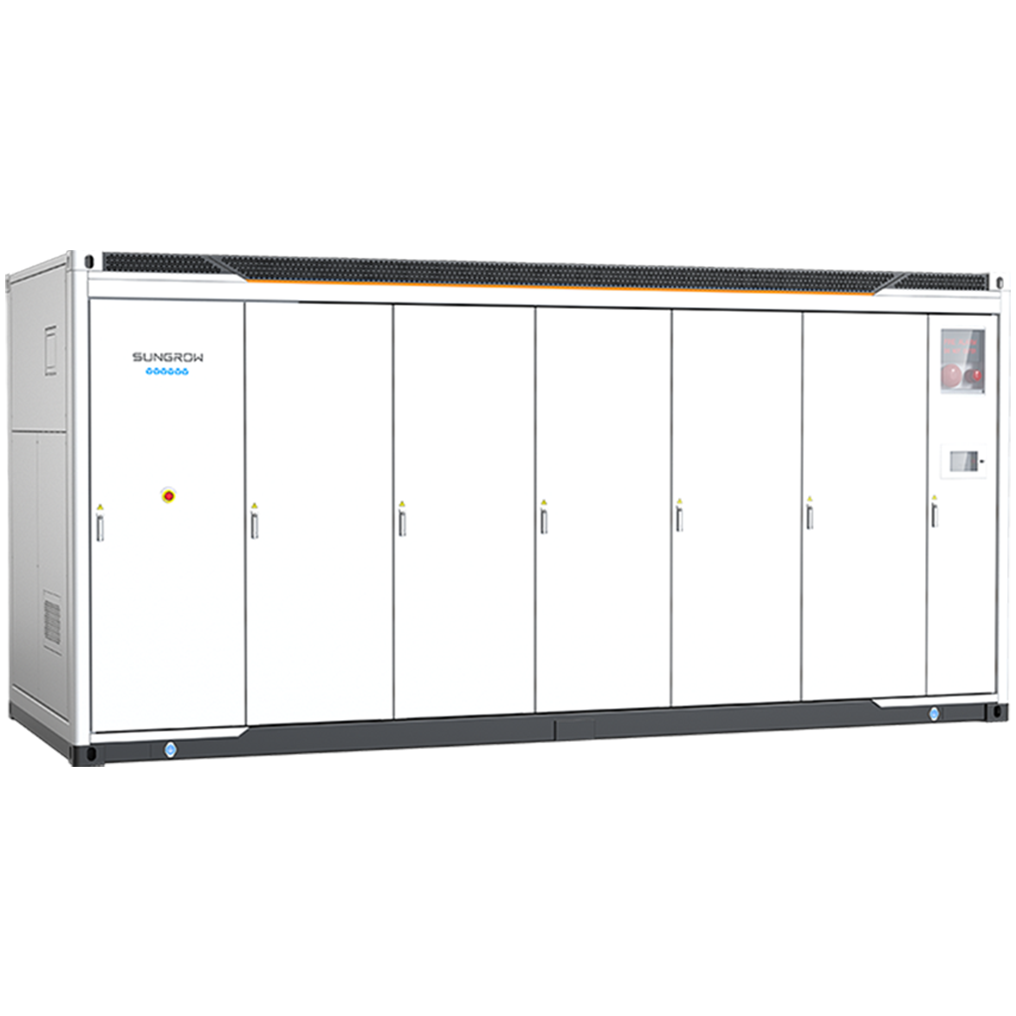
On paper, the usual fixes are clear: improve cooling, tighten SoC limits, upgrade the inverter. In practice, I found that the root issues are subtler. The battery management system (BMS) was calibrated for a mild climate, yet the site saw repeated high-temperature events. That pushed cycle life down faster than anyone predicted — a 10% drop in usable cycles translates to thousands in lost revenue for a 10 MW project over five years. I define three recurring technical pain points: thermal runaway risk from uneven cell temperatures, inverter mismatch causing inefficient charge/discharge windows, and SoC drift eating available kWh. I have logs from a project in Nevada (June 2018) showing repeated SoC swings of 15% during peak demand events — those swings cost the utility partner a measurable 7% increase in arbitrage costs. The upshot is simple: many “standard” solutions ignore the system interactions that cause degradation — and that’s expensive.
What’s Next — fixing the hidden gaps
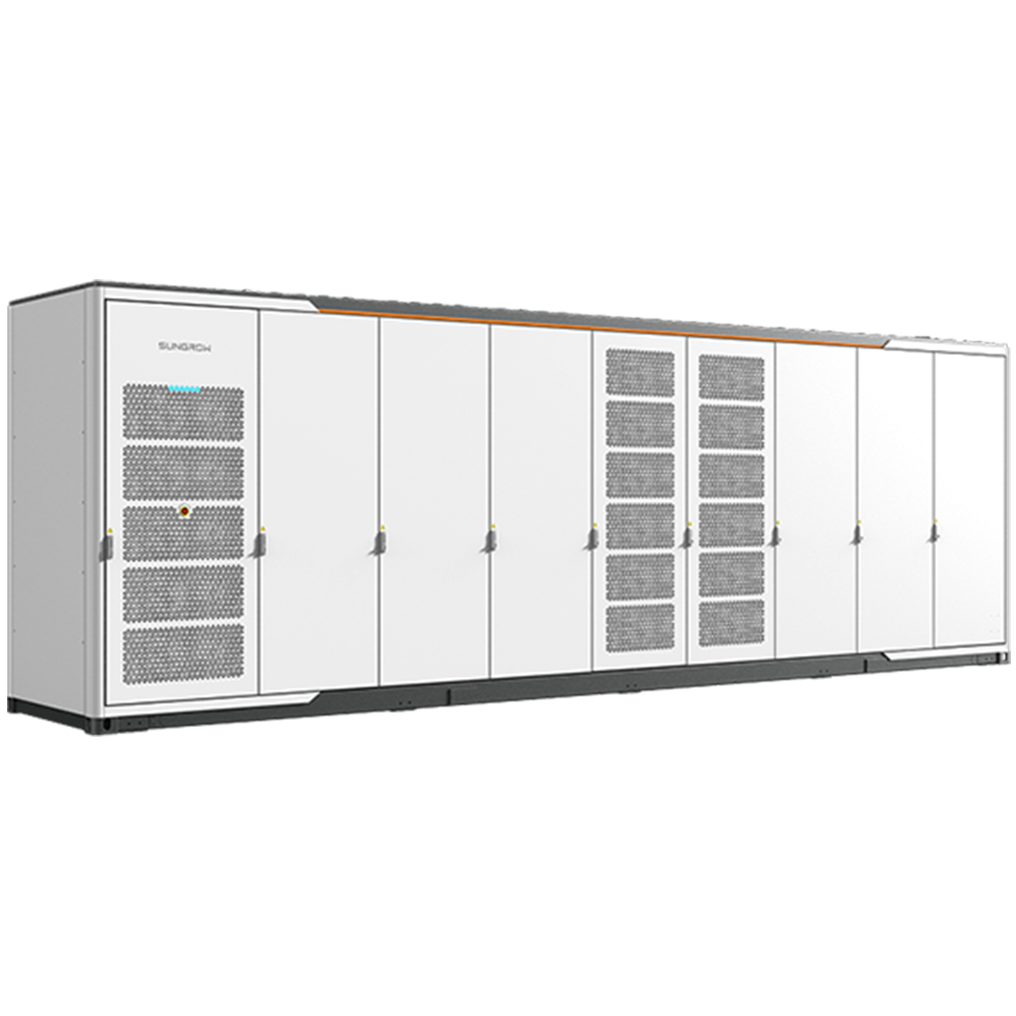
Now, looking forward, I push clients to treat an energy storage plant like a dynamic asset, not a static box. That means updating BMS profiles after six months of operation, running seasonal thermal audits, and sizing inverters for real-world ramp rates rather than nameplate peaks. I recommend a small pilot firmware change first — measure, then scale. Semi-formal note: this reduces unplanned degradation and extends cycle life measurably (I’ve seen 12% longer useful life after iterative tuning). Also — don’t ignore data workflows; a neglected telemetry stream is a missed chance to prevent failure. We ran such an approach on a 2 MWh project in Texas and cut emergency maintenance calls by half in 12 months. That’s tangible.
Key takeaways and how I judge solutions
I’ll close with what I actually use when advising wholesale buyers: look for measurable outcomes, not glossy specs. Evaluate (1) how the vendor handles BMS tuning in situ, (2) documented cycle life under your local temperature profile, and (3) the telemetry and remote-update plan. Those three metrics tell you whether a supplier understands system interactions. Quick aside — I remember a supplier who promised “unlimited updates” but had a two-week lead time for a critical inverter patch; small details like that matter. I hope this helps you spot the hidden flaws and pick solutions that last. For trusted product lines and system-level thinking, I often point teams toward solutions by sungrow.