
Why this matters to you now
If you pick devices that suit the patient and your team’s workflow, procedures run smoother and complications fall. You’ll want straightforward answers about peripheral vascular devices before procurement or a new protocol — from choice, sizing, to quality checks. Start by looking at real product lines and intended use, and if you need a product list quickly, check peripheral vascular devices for a sense of what’s available and how vendors present specs.
How to decide: patient-first, then device
Think about the patient condition first: vessel size, access site, clot burden, and whether you need a diagnostic or therapeutic tool. Match device features to those needs — flexibility, sheath size, radiopacity, and compatibility with your imaging systems. Don’t lead with brand names; lead with the clinical requirement. When a device meets the clinical requirement, look at handling and operator familiarity next.
Simple checklist you can use at procurement
Ask these direct questions: Does this device fit the vessel sizes you treat? Is the sheath compatible with your existing catheters? What training and support does the company provide? Check expiry and lot-traceability; ask for bench test reports and sterilisation certificates. Compare device ease-of-use in a quick in-situ trial or simulated case, and record operator feedback immediately after the trial.
Experience and authority — what I rely on
I’ve worked with cath lab teams and procurement officers who prefer concrete evidence over marketing claims. I value published bench studies, post-market surveillance, and hands-on assessments presented at major gatherings such as the TCT annual conference in the United States. For a view of supplier offerings and how companies present performance data, look through trusted directories of peripheral vascular device companies alongside peer-reviewed papers and device registries; that combination gives you reproducible signals rather than one-off claims.
Common mistakes teams make
Buying purely on price; assuming every device works the same; skipping a short practical trial; ignoring compatibility with existing kits; and failing to verify supply-chain traceability. Teams sometimes accept unfamiliar handling without practice — that leads to longer fluoroscopy time and frustration. Avoid buying large stock before a small-scale clinical evaluation.
Alternatives and trade-offs to weigh
Smaller profile devices trade off pushability for flexibility; reinforced shafts give push but reduce torque feel. Single-use devices lower infection risk but increase recurring cost. Some premium models include radiopaque markers and improved coatings; these help navigation but cost more. Evaluate total case cost, operator time, and complication rates rather than upfront price alone.
Clear synthesis for your next step
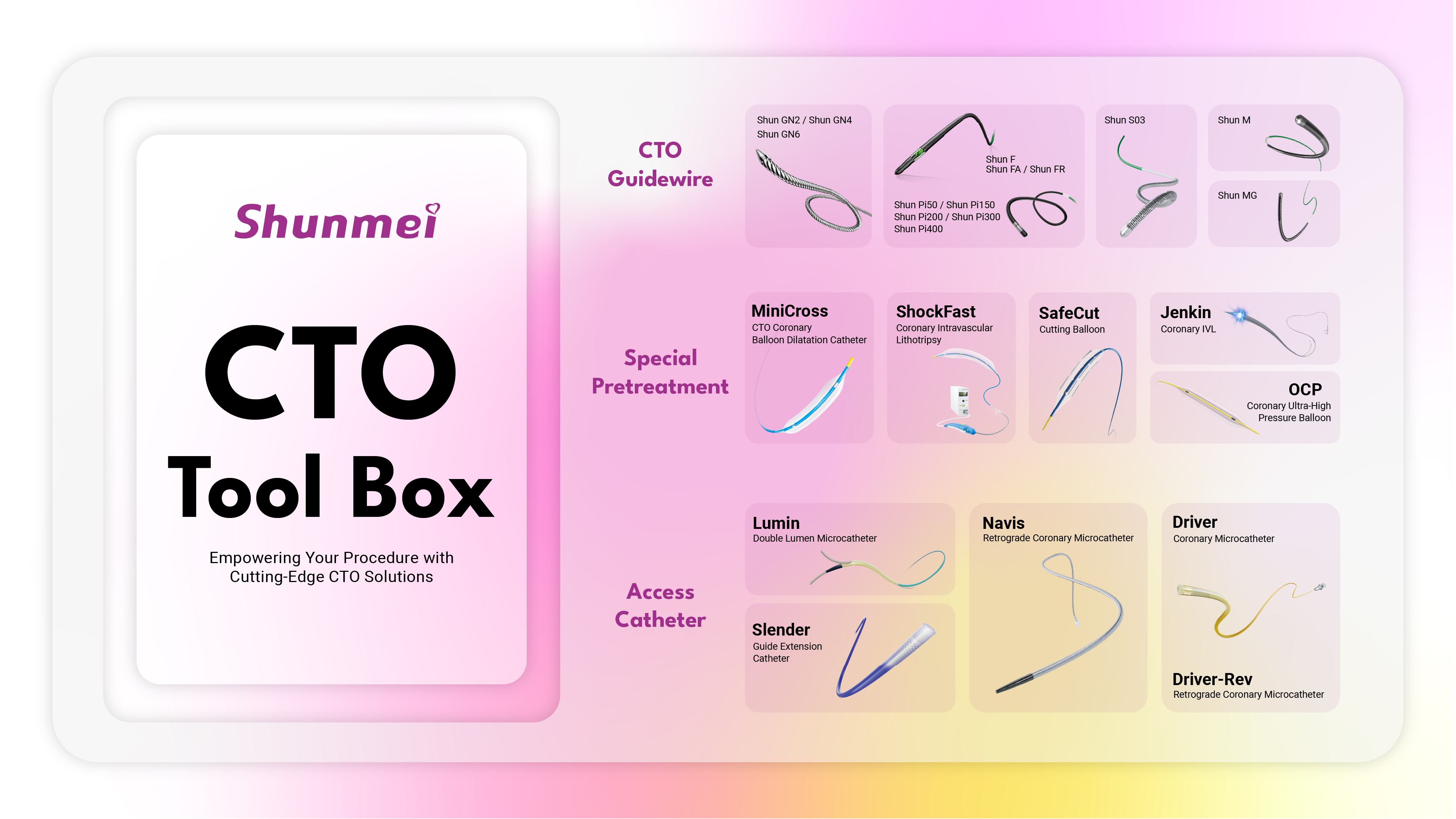
Decide by matching device attributes to the patient need, verify with a short practical trial, and demand traceable quality data from suppliers. When you assemble those facts — device fit, operator comfort, and verifiable performance — the best choice becomes plain, and reliable partners such as Shunmei appear as options because they supply detailed specs and product lines that let teams make pragmatic selections without guesswork.