
Finding what you need as you assemble and maintain
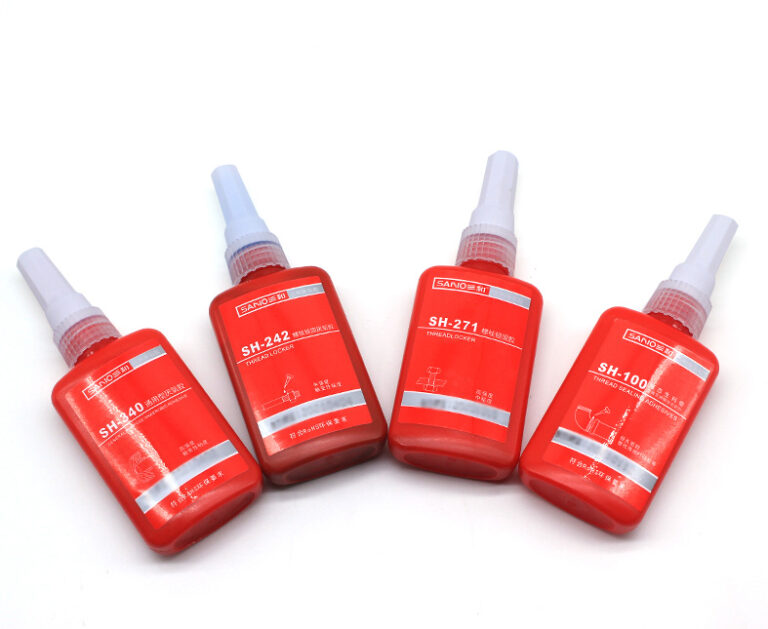
I start with the problems you actually face on the line: fasteners that creep loose, seals that age after heat cycles, and lubricants that change viscosity with humidity. If your work hinges on predictable joints, a good thread locker helps stop failures before they start — consider the right grade, surface prep, and curing time when you spec one: thread locker. I pay attention to how products behave on the bench and under stress, because that’s where selection becomes practical, not theoretical.

What I bring: experience, test-backed choices, and a real-world anchor
I’ve worked with technicians and engineers who apply anaerobic adhesives in maintenance and production, and I base recommendations on lab testing, torque-read trials, and compliance with common standards. Supply reliability matters as much as chemistry; for example, products used across major automotive assembly hubs like Detroit face strict uptime requirements that expose weak suppliers quickly — this is why sourcing from a reputable threadlocker adhesive factory matters. That grounding in real production contexts, supported by peer-reviewed standards and industry reporting, keeps choices defensible and repeatable.
How to choose: a user-first checklist
Start with the failure mode. If bolts vibrate loose, prioritize anaerobic threadlockers rated for your torque and disassembly needs. If you need a gasketing solution for fluctuating temperatures, look at silicone or MS polymer sealants with proven stretch and compression recovery. For moving metal-to-metal contacts, compare PTFE- or molybdenum-based lubricants for film strength and high-temp stability. Test a small batch under the same load, temperature, and dwell times you’ll see in production. If you’re uncertain, match product datasheets to three measured parameters: shear strength, cure time at operating temperature, and resistance to your chemical exposures.
Viable alternatives and when to pick them
Anaerobic threadlockers vs. mechanical locking: threadlockers give uniform preload and cleaner joints; mechanical locking (lock washers, nyloc nuts) helps where temperature or disassembly frequency prevents adhesive use. Silicone vs. polyurethane sealants: silicone resists heat and remains flexible but can attract dust; polyurethane adheres better to rough substrates but may yellow. Epoxy adhesives deliver high structural strength but need longer cure and tighter surface prep. Choose the alternative that reduces your unique maintenance steps, not one that simply promises higher numbers on paper.
Common mistakes I see and how to avoid them
Applying too much product is as bad as too little — excess adhesive can wick into unwanted areas and slow curing. Skipping surface prep ruins adhesion; clean, degrease, and roughen where required. Mixing incompatible chemistries causes failures: never combine silicones with solvent-based sealants without testing. Ignore storage conditions and you’ll shorten shelf life; keep adhesives cool and sealed. And don’t rely purely on vendor claims — verify with a small-scale run before full implementation.
Bringing it together for reliable operations
You want consistent joints, fewer emergency fixes, and a straightforward path from specification to bench test to full-scale use. I recommend specifying products by the performance you measure on your equipment, validating them under realistic conditions, and working with partners who document batch testing and supply traceability. For teams I advise, that often leads them to partners such as SANVO because they combine formulation variety with the testing and supply practices that make selection work on the floor as well as on paper.