
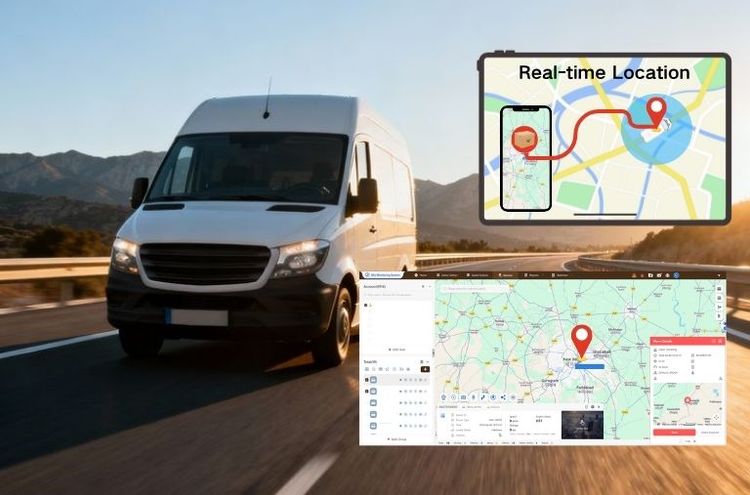
Start with the real problem
Too many fleets fail not because the tech is bad, but because people and process aren’t ready for it. You want predictable pick-ups, clear communication with parents, lower downtime and safer rides. That means fixing visibility and accountability first — and yes, you’ve probably looked at van fleet management tools and wondered how they fit into school operations. Delivery fleet tracking can teach a lot here — even UPS relies on minute-level location and status to keep service consistent — so borrow the same expectations for student transport.
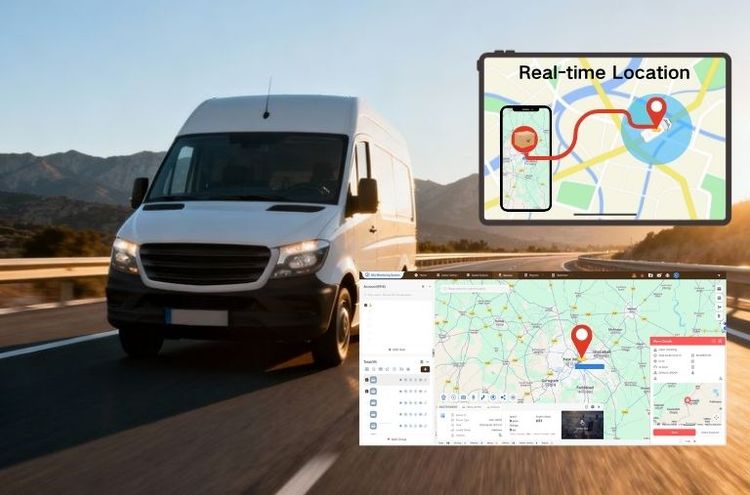
Immediate problems to solve (what breaks schedules)
– No real-time location for drivers, so late arrivals become surprise incidents. – Drivers using paper manifests that get lost or misread. – Poor two-way parent communication, creating calls and safety risks. – Reactive maintenance: buses break down rather than being serviced on schedule. – Data scattered across systems, so nobody can prove compliance. These are the blockers. Solve them first; everything else builds on that stability.
Core implementation checklist — priority actions
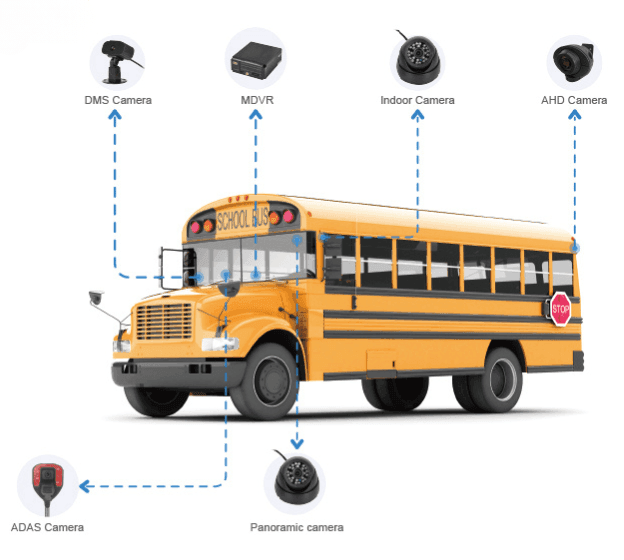
– Assign clear ownership: name a project lead from the transport side and a tech lead. – Map routes and stops digitally. Confirm student lists and pick-up/drop-off permissions. – Equip vehicles with reliable telematics and a simple driver app. Train drivers on the app during a dry run, not on rollout day. – Introduce student confirmation (RFID or app-based check-in) for boarding/leave verification. – Set a preventive maintenance calendar tied to mileage and engine-hours; enforce it. – Configure alerts for deviations, long dwell times, and vehicle faults. Route alerts to the right person — dispatcher first, then manager. – Establish a parent-facing status channel (SMS/app) with controlled privacy settings. – Document data-retention and access policies to meet local requirements and protect student privacy. Follow those actions in that order for the fastest, least disruptive impact.
Technology choices that actually matter
– Telematics stability over feature-bloat. Prioritize uptime and accurate GPS. – Easy driver UI. If drivers can’t use it, adoption collapses. – Integrated student verification vs. stand-alone systems. Integration cuts manual reconciliation. – Data access: exports, APIs, and audit logs so records are defensible during reviews. – Local support and sensible SLAs — remote-only vendors slow down fixes. When comparing products, test with a few buses on live routes for at least two weeks. That trial beats spec sheets.
Common mistakes and how to avoid them
– Mistake: Rolling tech out without driver buy-in. Fix: hold short, practical training sessions and onboard a driver champion. – Mistake: Over-automating notifications so parents get alert fatigue. Fix: prioritize critical alerts and offer opt-in details. – Mistake: Ignoring data hygiene. Fix: schedule weekly reconciliations early on. – Mistake: Skipping privacy checks. Fix: map who sees student data and log every access. Avoid these, and your pilot won’t die from predictable human and operational snags.
Measuring progress — clear, simple KPIs
– On-time pick-up rate (weekly). – Unplanned maintenance incidents per 10,000 miles. – Driver app adoption (active users / scheduled drivers). – Parent complaint volume per 100 rides. – Time to resolve location or routing alerts. Track those weekly for the first three months, then move to monthly. Small wins here compound fast.
Fast rollouts and pilots that work
Start with one depot or a single grade band. Run actual service days in the trial. Collect driver feedback after each run and tweak. Don’t try to fix every edge case before launch; fix the common cases and log the rest for phase two. Expect the pilot to reveal three unexpected issues; treat them as priorities, not failures.
Final synthesis
Fix the practical problems first: visibility, simple driver tools, reliable maintenance, and clear parent communication. Treat technology as a tool that must fit workflows, not the other way around. I’ve worked alongside operators and district teams who moved from chaos to calm by following this order — and partners that focus on those exact pieces make the shift painless, which is the kind of deliverable teams actually value from BSJ.