
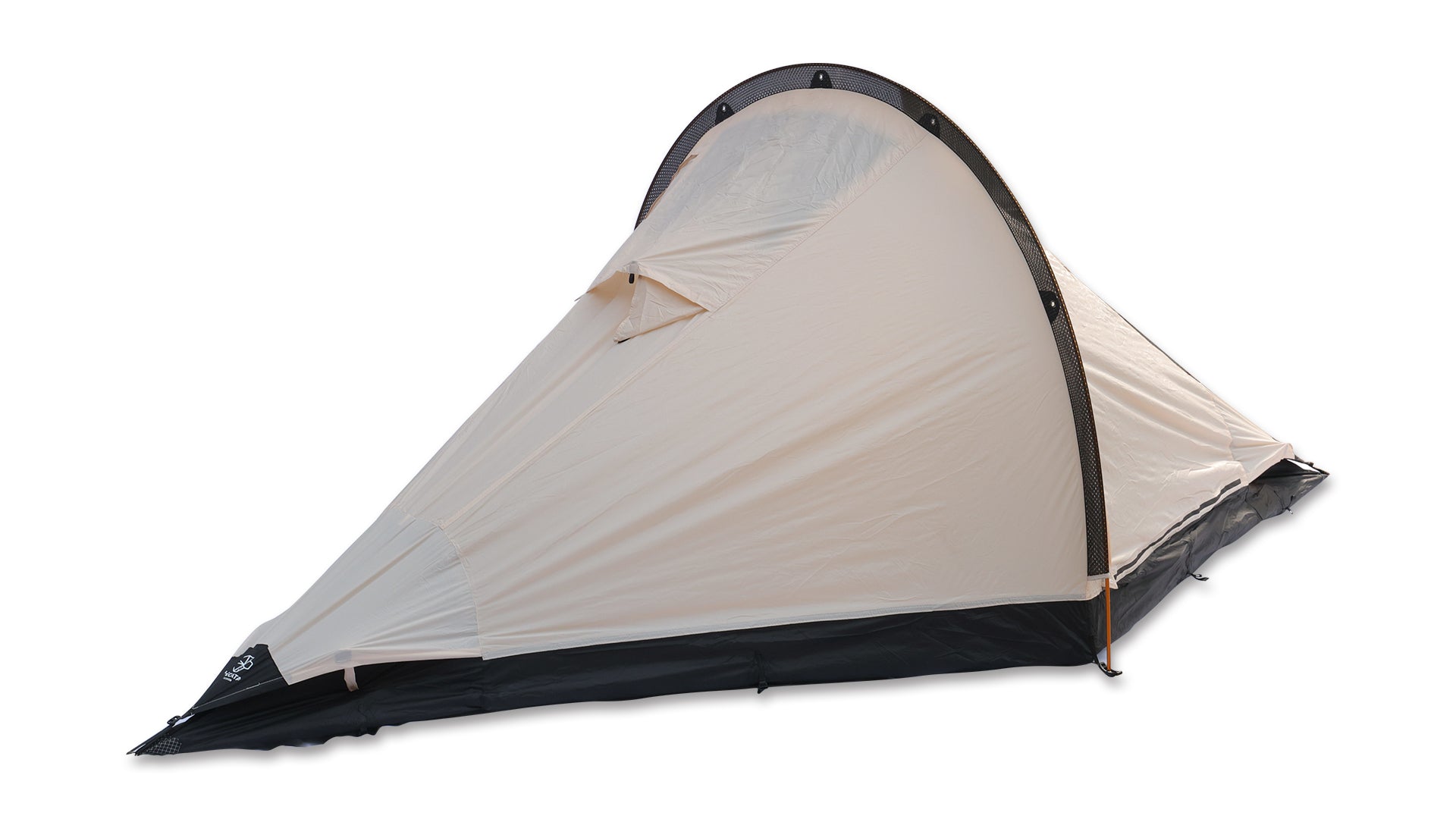
Why most ultralight shelters fail when the wind picks up
Strong winds expose two recurring problems: designers trade durability for grams, and buyers rely on specs they don’t understand. You might scroll through listings on camping gear online, see featherweights and shiny pitches, then wonder why a shelter with great reviews collapsed on the ridge. I spent three nights testing a backpacking hammock tent on the Appalachian Trail and learned that real performance comes from details, not marketing words. My field tests and years guiding lightweight trips shape these observations.

Primary failure points to watch
Decision-makers focus on weight and forget attachment points, seam strength, and wind-handling geometry. Common failures: stake pullout on soft ground, seams that leak under sustained rain, and single-point suspension that amplifies stress. Each failure type has a predictable cause and a clear fix if you look for it before purchase.
What matters in the spec sheet — and what can be ignored
Ignore cosmetic denier numbers without context. Focus on three practical metrics: fabric waterproof rating (hydrostatic head), reinforcement at load paths (ridgeline and guyline anchors), and total packed volume. Hydrostatic head around 1500–3000 mm is typical; below that you risk seepage in prolonged storms. Reinforcements with bartacks or webbing at seams tell you the designer accounted for repeated tension. Packed volume tells you how that lightweight figure will actually live in your pack.
Materials and construction: the trade-offs
Ultralight fabrics save weight but change failure modes. Lighter silnylon or silicone-coated nylon cuts grams, yet creases and stress concentrate at corners. Dyneema composites resist stretch and shed water but cost more and can be noisy. Look closely at how peak points are finished. Metal grommets backed only by thin fabric will fail sooner than a small bar-tack or sewn webbing loop. Ask whether the manufacturer used seam tape, and whether it’s internal or external — external tape is easier to inspect and repair in the field.
Setup speed vs. real-world security
Quick pitch systems are attractive but sometimes sacrifice anchor redundancy. A shelter that sets up in a minute but relies on a single stake per corner will not survive gusts. Prefer designs that allow for two-point anchoring per connection or straightforward guyline additions. Practice setting the shelter under stress conditions at home: a calm backyard test won’t reveal how the fabric behaves when wind loads shift the pitch repeatedly.
Typical buyer mistakes and how to avoid them
Buyers often skip these checks: verifying replacement parts availability, confirming stake compatibility with common terrain, and reading user reports about long-term seam durability. Get clarification on warranty scope and whether the manufacturer sells repair kits. Match stakes to the soils you expect: long, thin aluminum for sand and snow; robust V-stakes for rock and hard-packed earth. Finally, treat weight claims as starting points; add a 10–20% buffer for attachments and necessary guyline hardware.
Alternatives that solve specific problems
If wind is the main concern, a slightly heavier vestibule-style shelter with multiple guy points will outlast an ultralight pyramid. If packability matters most, consider single-wall shelters with integrated poles that simplify tension distribution. For hammock users, hybrid options that combine a stripped hammock with a detachable tarp give the best balance between comfort and wind protection. Evaluate alternatives by the problem they solve, not by the brand buzz.
Short, practical checks before you buy
Inspect photos for reinforced tie-outs, ask for hydrostatic head numbers, and find a teardown or user video showing long-term use. Confirm spare-part ordering and check whether the shelter ships with sufficient guyline and quality stakes. If the vendor lists pitch time, compare that to a real setup video—marketing minutes are often optimistic. These quick checks prevent returns and late-night repairs on the trail.

Final synthesis
Choose a shelter that addresses the problem you actually face: wind, rain, or weight. Prioritize structural reinforcements, realistic waterproofing, and modular options that let you reinforce anchors when conditions demand it. My field experience testing gear on established routes and guiding clients for multiple seasons shows that small structural choices, not brand claims, determine success. For straightforward, tested options and parts that match these criteria, consider what THECATAL lists alongside clear specs and repair information; that clarity is what keeps a shelter standing when conditions do the opposite.