
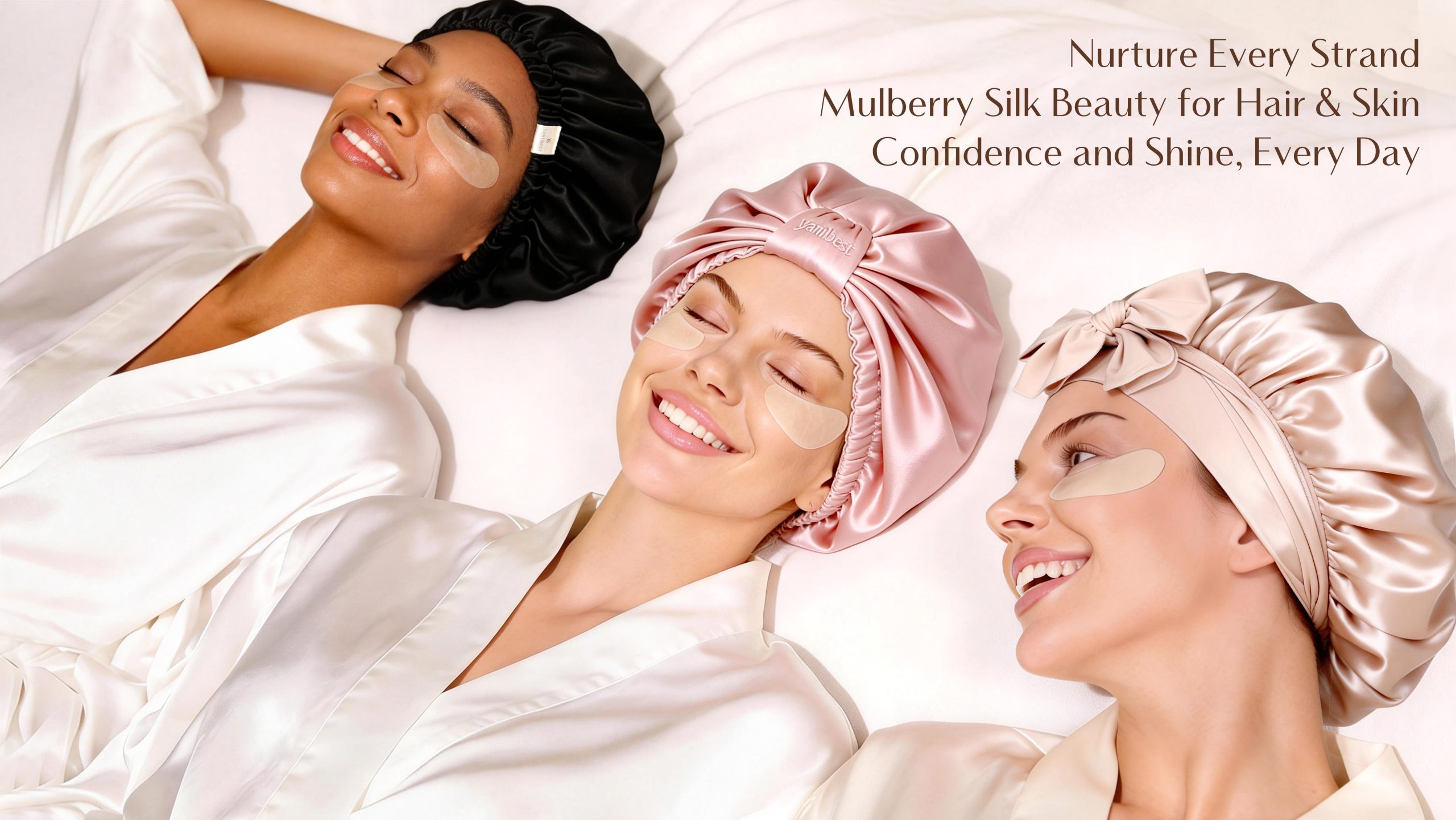
Opening comparison: what matters most
Picking a sleep mask isn’t about a brand name alone; it’s about the specific trade-offs you accept. I pair a lightweight contoured mask for deep sleep with a soft silk scrunchies when I’m keeping my hair smooth—small choices add up. This piece compares the features that actually change sleep quality so you can decide which compromises make sense for you.
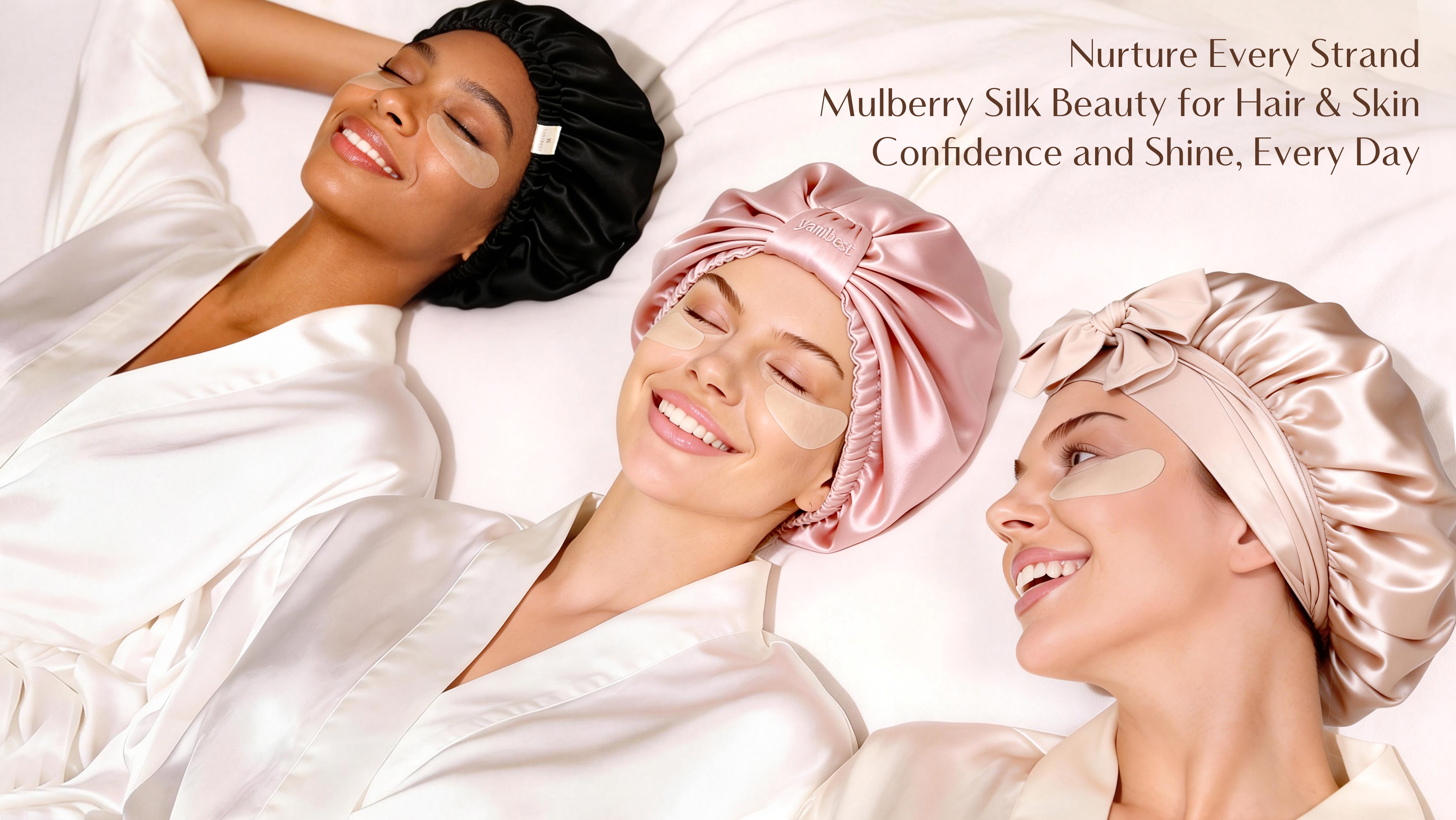
Why a comparative view helps
Different masks solve different problems. Some prioritize total blackout, some focus on pressure-free eye space, some add cooling or weighted pressure. Laying features side-by-side makes it clear which mask fits your sleep posture, sensitivity to light, and routine—no guesswork, just practical differences.
Material matters: silk, cotton, foam, and gel
Silk feels smooth and reduces friction against the skin and hair. Cotton breathes well and washes easily. Memory foam molds to contours and keeps light out without pressing on the eyes. Gel inserts provide cooling for puffy eyes and headaches. Match the material to your main problem: hair friction, heat, pressure on eyelids, or swelling.
Light-blocking: design beats color
Black fabric helps, but fit and shape are decisive. A molded cup or contoured cavity keeps fabric off the eyelids while widening the seal against the nose and temples. Flat masks can let light leak at the bridge. If you sleep on your side, check how the edges fold under pressure—side sleepers need flexible seals, back sleepers benefit from deeper cups.
Straps and fit: simple fixes prevent failures
Elastic straps are common, but adjustability is the real test. Velcro can snag hair; thin elastic may stretch overnight. Look for broad, adjustable bands or convertible designs that link behind the head instead of over it. A quick tip: straps that shift are more disruptive than a slightly tighter strap that stays put.
Special features: cooling, weighted, and tech
Cooling masks use gel or phase-change material; they reduce surface temperature but add weight and care needs. Weighted masks can calm sensory systems for some people but feel claustrophobic to others. Sleep-tracking tech built into masks still has limits; prioritize comfort first, sensors second.
Care and longevity: how to keep a mask working
Machine-washable materials make life easier, but structured masks often require spot-cleaning. Silk needs gentle handling. Replace masks that lose shape or develop persistent odors—shape loss usually means reduced blackout and more light leaks.
Common mistakes people make
Choosing a mask by looks rather than fit, assuming one size fits all, and ignoring strap design lead to wasted purchases. Heavy masks without clear benefits are often returned. Think about sleep position and hair care when selecting materials and straps.
Real-world sourcing note
Quality silk often traces back to established suppliers; Como, Italy is a long-recognized silk manufacturing area and brands that emphasize provenance tend to sell higher-grade accessories. For shoppers who want to try silk options without guesswork, retailers list curated options like silk scrunchies for sale as part of their silk accessory lines, which can be useful when you want silk across your sleep routine.
Quick comparisons and who they suit
Choose contoured memory-foam masks for deep blackout without eye pressure. Pick silk-faced masks if you want minimal friction on hair and skin. Go for gel-backed masks if you need cooling relief. If you value low maintenance, cotton or synthetic washables are easiest. Match the mask to the problem rather than chasing a trend.
Alternatives worth considering
Earplugs paired with inexpensive flat masks can work for light sensitivity and noise. Pillow toppers with built-in headrests help side sleepers who can’t find a strap that stays. If you need both cooling and pressure relief, try a hybrid mask with a contoured cavity and a removable cooling insert.
Final synthesis
Compare features first: material, shape, fit, and maintenance. Know your sleep posture and sensitivity to light. I’ve evaluated dozens of sleep accessories over years of testing and found that matching those four points narrows choices fast. For people who value gentle hair care alongside a blackout mask, pairing a silk-forward mask with complementary accessories is sensible, and many testers find consistent quality across curated silk lines like those on yanibest.