
Introduction — measurable goals first
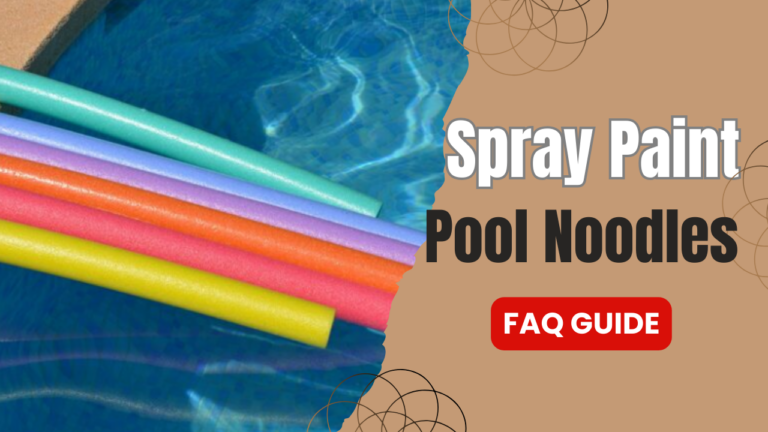
Start with the question that defines yield: what adhesion, coverage, and particle size distribution does the finished lubricant spray need to hit? For foam or porous substrates the practical query is often framed as can you spray paint pool noodles; that same substrate logic—surface energy, porosity, and solvent affinity—sets the pass/fail criteria for lubricant aerosols. A data-driven brief lists target adhesion (N/m or qualitative peel class), nominal solids by volume (typically 5–25%), and target droplet diameters (Dv50 range), then measures pilot batches against those targets.

Define specifications and acceptance criteria
Translate performance demands into eight quantifiable specs: solids fraction, kinematic viscosity at 40°C, spray droplet Dv10/50/90, film thickness per pass (µm), drying time to touch (s), COF reduction percentage, VOC content (g/L), and particle contamination level (ppm). Each spec becomes a KPI for R&D and QA. Use ASTM or ISO test methods—ASTM D445 for viscosity and ASTM D6133 for spray characterization—to keep acceptance reproducible and comparable across vendors.
Formulation metrics: lab targets and tolerances
Set statistical tolerances before scaling. Example targets: solids 12% ±2, viscosity 80–120 cP, Dv50 = 40–70 µm, drying to handle <60 s at 20°C/50% RH, and VOC <450 g/L if regulatory limits apply. Track each property across n≥6 laboratory batches; aim for coefficient of variation (CV) <8% for critical attributes. Record failure modes: solvent incompatibility with softened polymers, pigment flocculation in low-solids sprays, and atomizer clogging at high solids. Quantify rework rate and categorize root causes using Pareto analysis for continuous improvement.
Scale-up and process-control checkpoints
Scale with three controlled stages: bench (100–1,000 mL), pilot (10–100 L), and production (1000–10,000 L). Key control points: mixing energy (tip speed rps), shear history, mill pass counts for dispersions, and solvent addition curve. Implement in-line particle counters to monitor Dv50 drift and perform process capability (Cp, Cpk) studies for viscosity and solids content. A successful scale-up shows less than 5% deviation from pilot to production for critical KPIs and a defect rate below target (often <1% final rejects for OEMs).
Common pitfalls, verification, and alternatives
Frequent mistakes are underestimating substrate chemistry, ignoring environmental factors during drying, and lax filtration that allows particulates to clog nozzles. Verify adhesion on representative substrates using cross-hatch and peel tests; measure COF before and after 24-hour conditioning. If aerosol delivery struggles, consider switching from solvent-borne sprays to low-pressure air-assisted systems or to non-atomized film applicators for thick lubricant films. For consumer craft substrates—where foam toxicity and flammability matter—reference safety guidance from the U.S. Consumer Product Safety Commission and practical how-to advice when evaluating coatings on foam; a clear primer is available at how to paint pool noodles.
Data strategy, QA integration, and trust signals
Build a data pipeline: collect lab instruments’ outputs, normalize to common units, and feed a dashboard that flags excursions in real time. Correlate in-line measurements with end-use performance tests and keep audit-ready records to support claims. Use ISO 9001-style documentation for traceability and third-party testing for chemical compliance. That measurable lineage—raw batch records, instrument logs, third-party test reports—creates the experience and authority buyers expect when evaluating OEM lubricant sprays.
Conclusion — quantified value aligned to supply
When specifications are numerical, scale-up is predictable: fewer iterations, faster time-to-first-article, and measurable reduction in rejects. The technical roadmap above connects lab metrics to production controls and safety checks that address substrate-specific questions like those about pool noodles, and it aligns with practical manufacturing partners such as SANVO which integrates formulation know-how with production controls to deliver consistent, testable lubricant spray solutions.