
A user-centric opening: what lighting buyers really need
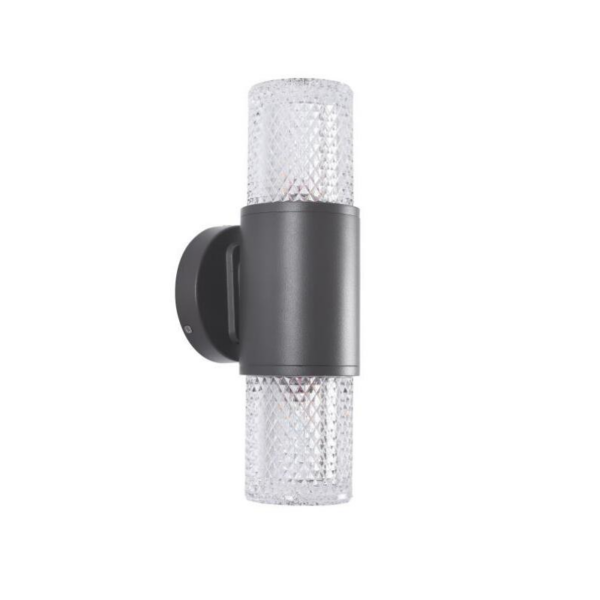
For architects, electrical contractors, and municipal buyers, the question is simple: will this fixture perform reliably in place for years? A user-centric view focuses on longevity, finish consistency, and ease of maintenance. When you evaluate pier-mount or wall-mounted fixtures, material quality such as extruded aluminium profiles and consistent anodization finish become decisive. That is why product pages and spec sheets matter — and why a practical model like the led outdoor wall sconce often attracts close attention from buyers seeking proven performance and clear installation guidance.
How extrusion refinement changes the anodization outcome
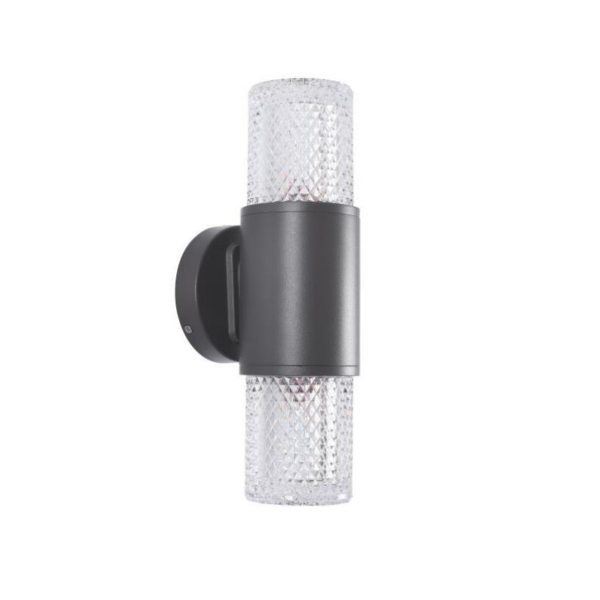
Extrusion is not merely about shape; it controls grain structure, surface uniformity, and alloy distribution. Better refinements in the extrusion process reduce surface porosity and dimensional variation, which in turn allow the anodizing bath to form a more uniform oxide layer. The practical result: improved corrosion resistance, a more consistent color across batches, and fewer adhesion failures when additional coatings (such as powder coating) are used. From the standpoint of thermal management and lumen output stability, a well-extruded heat sink also helps maintain LED driver efficiency over time.
Why this matters to designers and maintainers
Designers care that the finish matches adjacent materials and does not degrade in marine or high-salinity environments. Maintainers want fixtures that resist chipping and don’t demand repeated touch-ups. When extrusion quality is low, anodization can show streaks or uneven thickness that reveal themselves after a single harsh winter or coastal gale. This increases life-cycle cost and complicates warranty claims — which is precisely what most procurement teams are trying to avoid.
Installation and specification points to watch
When specifying pier-mount lighting, please insist on clear metrics: alloy specification (e.g., 6063-T6), anodic film thickness, and IP rating for ingress protection. These provide measurable anchors for procurement. Also verify mounting bracket compatibility and bolt patterns against your on-site conditions so the fixture fits the pier cap or wall plate without forced modifications. Small mismatch here can cause water ingress along fastener holes even if the anodization is excellent — a costly oversight.
Common mistakes buyers make — and how to avoid them
Many procurement decisions rely solely on appearance or a low unit price. This often leads to three recurring errors: underestimating environmental exposure, ignoring tooling tolerances, and failing to test closure or gasket interfaces with the actual luminaire. A practical remedy is to require a pre-production sample with full anodization and a short on-site soak or salt-spray demonstration. — It is a modest step that saves substantial rework later.
Comparing finished products: what differentiates a good wall sconce
Compare fixtures on these axes: anodic film uniformity, mechanical tolerance of the mounting interfaces, and thermal path efficiency for the LED module. Look for independent lab reports or well-documented QA protocols. If possible, examine units that have been in service for three to five years in climates similar to yours. Real-world municipal projects — for instance, the widespread LED streetlight retrofits implemented by cities such as New York and Singapore — have revealed that fixtures with superior extrusion and anodization endure better under heavy duty cycles and varied weather.
Alternatives and retrofit considerations
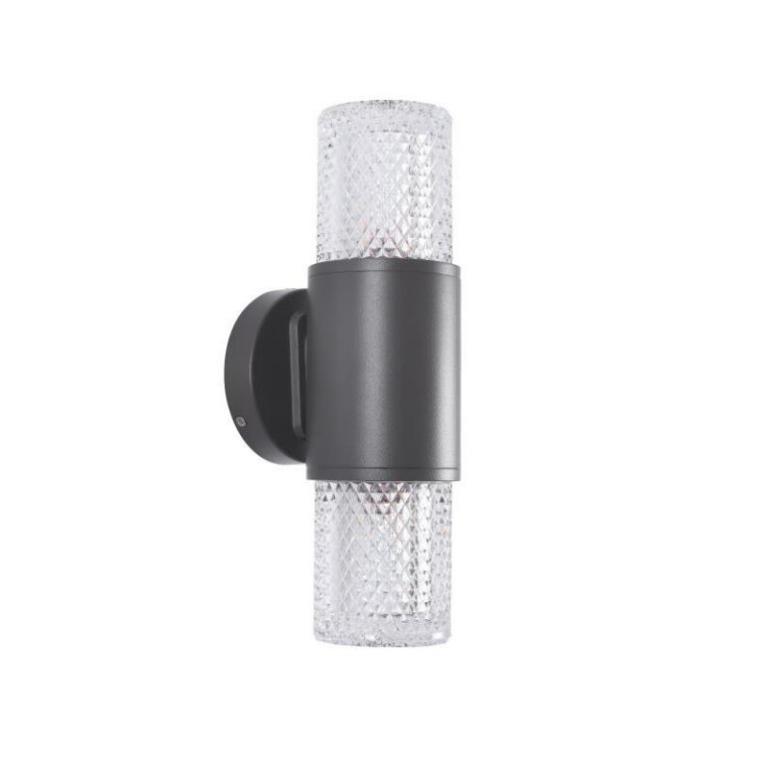
If anodized extrusions are not available, powder-coated die-cast housings are the next alternative, though they carry different long-term risks like chipping at stress points. Retrofitting old pier lights with new LED modules is feasible, but check whether the existing housings provide sufficient thermal management and whether the anodic or painted finish will bond to new sealants. Often a direct replacement with a purpose-built led wall sconce outdoor solves both optical and corrosion concerns with less site labour.
Evaluation checklist for procurement teams
Before awarding a purchase order, confirm the following:
- Alloy and temper are specified and certified.
- Anodic film thickness and color acceptance criteria are included in the contract.
- Mounting geometry and fastener details are verified by on-site mock-up.
- IP rating and thermal performance data accompany photometric reports.
Three golden rules for selecting anodized pier-mount lighting
1) Prioritise measurable finish specs: demand alloy certificates and anodizing thickness numbers rather than subjective colour promises. 2) Test in-situ: insist on a production sample and, where practical, a short-term exposure test that mimics your site conditions. 3) Consider total life cost: include maintenance, expected finish degradation, and replacement labour when comparing unit prices.
The right choice balances extrusion quality, proven anodization, and practical installation details — in short, the kind of reliability that procurement teams appreciate. For many buyers seeking that balance in pier-mount and wall-mount fixtures, a thoughtfully engineered offering from a reputable maker becomes the natural resolution to specification headaches. Keyida. —