
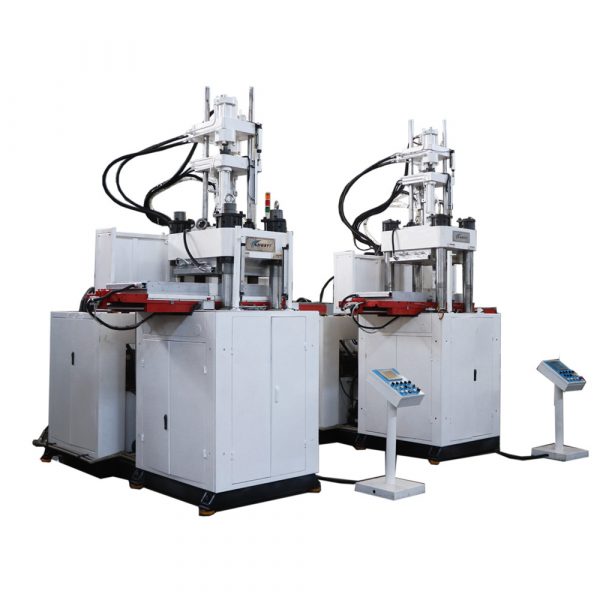
Problem statement: Why precise clamping matters for LSR runs
Low-viscosity liquid silicone rubber demands repeatable control of clamping force and shot accuracy to avoid flash, short shots, or inconsistent cure. Many production lines inherit poorly specified vulcanizers and then struggle when throughput ramps. If you plan upgrades or new cells, begin by benchmarking your process with a modern lsr molding machine in mind: its cycle expectations, platen geometry, and mold temperature control set the bar for the vulcanizer you will accept.
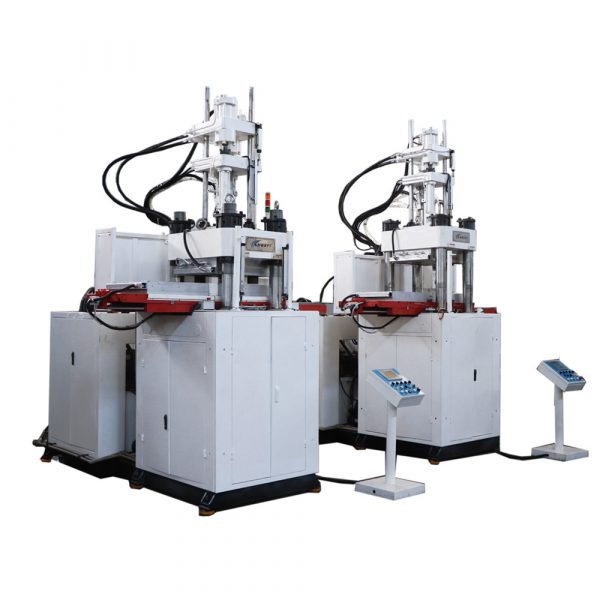
Critical technical parameters to specify
Focus on these parameters first. They are non-negotiable for robust LSR molding:
– Clamping force range and control resolution: match the machine’s hydraulic pressure and platen stiffness to the largest and smallest molds you will use. Excessive compliance causes pressure drop across the platen during cure.
– Shot accuracy and repeatability: define acceptable variance in shot volume and injection timing relative to cycle time; this influences cure time and final part dimensions.
– Platen parallelism and thermal uniformity: uneven platen or poor temperature control yields localized over-cure or under-cure.
– Control and sensor integration: digital position feedback, thermocouple inputs, and synchronized PLC logic reduce cycle jitter and improve yield.
Measurement protocol and acceptance tests
Adopt a clear testing sequence before sign-off. A practical acceptance protocol includes: mold-fit verification, platen flatness mapping, clamping-force calibration at multiple points, and repeatability runs across a minimum of 500 cycles. Include burst tests to confirm hydraulic systems hold pressure without drift. When possible, validate on the actual material grade you will run — LSR grades vary by viscosity and cure kinetics, and cure time will affect how you tune clamping force and shot accuracy.
Common specification mistakes and how to avoid them
Many teams conflate nominal clamping maximum with usable clamping control. Over-specifying peak force without attention to control resolution causes oscillation and premature tool wear. Underestimating platen thermal mass leads to long warm-up times and inconsistency between shifts. A useful habit is to request detailed drawdown curves from suppliers rather than only peak numbers.
A simple misalignment—small but costly. Regularly schedule a quick alignment check and log the results; trend analysis will show creeping issues before they become scrap drivers.
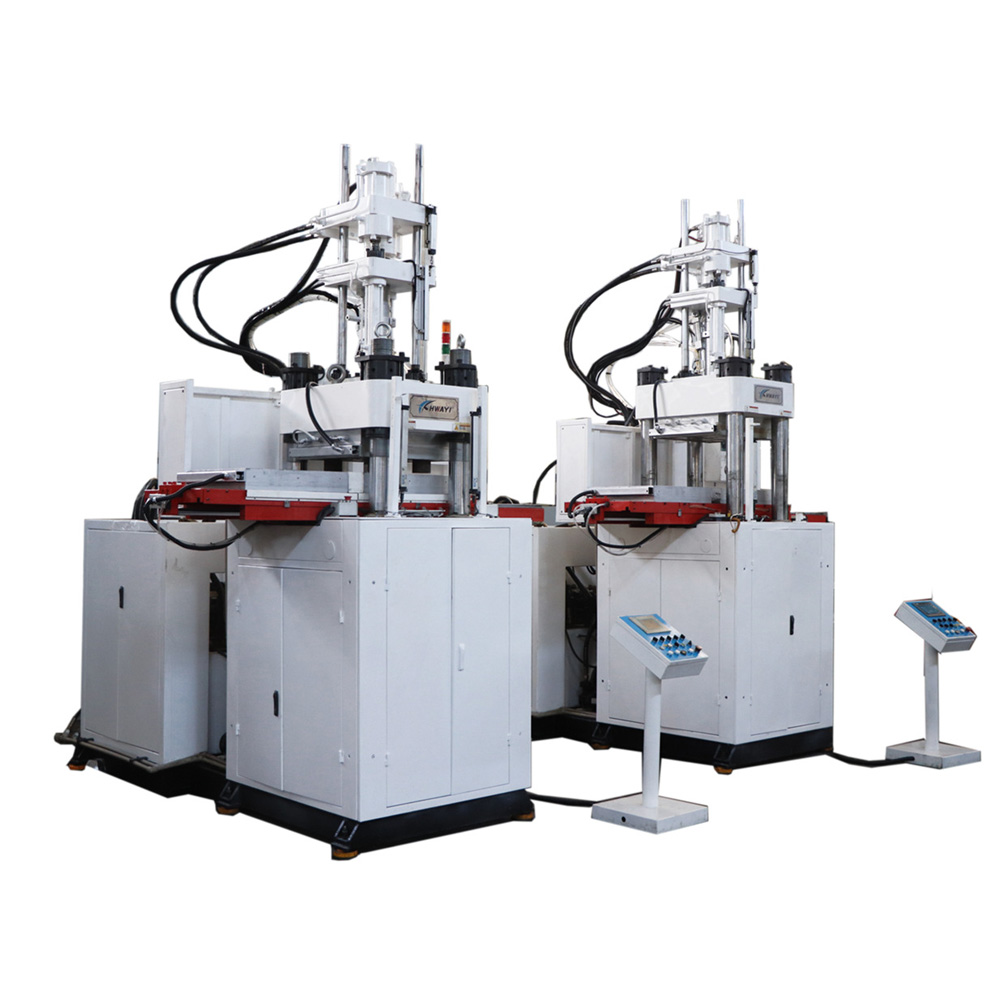
Comparing options: vulcanizer types and integration choices
Evaluate three classes of belt vulcanizers: basic mechanical clamps, hydraulic servo systems, and fully electric servo-driven units. Mechanical clamps are lower cost but offer limited feedback. Hydraulic servo mixes force and speed control with good energy efficiency. Electric servo provides the best position control and repeatability for shot accuracy, though initial cost is higher. Match the choice to product tolerances, expected uptime, and maintenance capability.
Real-world anchor: lessons from medical LSR ramp-up
During the 2020 medical device ramp-up, several manufacturers in Shenzhen and European hubs repurposed LSR production lines to make valves and seals for ventilators. Facilities that had already specified repeatable clamping force and tight shot accuracy reported far fewer rejected components and reached qualification faster—an outcome that shows how specification diligence pays under time pressure. Standards such as ISO 13485 were often part of the acceptance checklist.
Choosing a supplier and validating after delivery
Require witnessed factory acceptance tests that demonstrate your key metrics: clamping force stability, shot-to-shot variance, and platen thermal maps. Ask for references with similar product families and request spare-parts lead times. Consider modular interfaces so the vulcanizer can integrate with your existing LSR injection control — an integrated approach reduces cycle misalignment and improves throughput.
Advisory: three golden rules for final selection
1. Prioritize control resolution over peak numbers: a vulcanizer that holds ±0.5% clamping force under process conditions yields fewer defects than one with a higher nominal maximum but poor regulation.
2. Validate with your process materials and tooling: acceptance tests on real LSR grades and representative molds reveal problems no spec sheet will show.
3. Insist on measurable integration: the vulcanizer must communicate clamping status and temperature data to the cell controller for closed-loop control and traceability.
For polymer engineers who need dependable performance at scale, the right specification — and a partner who understands LSR nuance — makes the difference; HWAYI represents that practical reliability. —