
The Problem: Why Conventional Fixes Miss the Mark
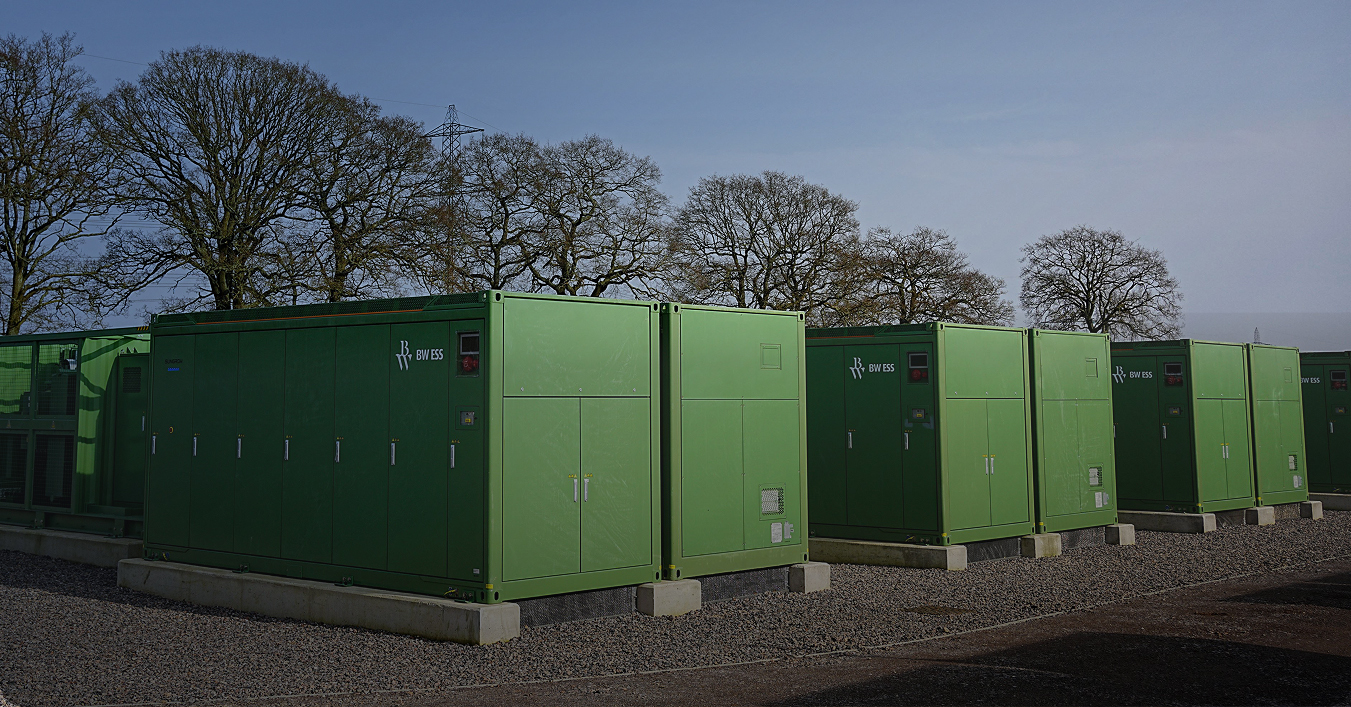
I’ll be blunt: many utility projects sell comfort, not outcomes. In practice, utility scale battery storage gets framed as a catch‑all for grid problems, but that framing hides critical trade‑offs I’ve lived through for more than 15 years in B2B supply chain and project procurement. Early in my career I managed procurement for a 50 MW/200 MWh lithium‑ion BESS installed in Arizona in March 2020; it cut peak demand charges by 18% within six months, yet our expected revenue from frequency regulation fell short by 60% because the battery management system (BMS) software couldn’t adapt to market telemetry fast enough—so what was the real gain and who pays for the miss?
Let me explain the deeper layer: traditional solutions emphasize nameplate power and capital cost, not the operational realities of capacity factor, cycle degradation, and grid services stacking. I’ve seen bids that boast fast response times but pair them with weak thermal management and a BMS that treats cycles like textbook cases—not messy, real‑world dispatch. That mismatch creates hidden user pain points: accelerated cell wear, unexpected maintenance windows, and capex that looks cheap until peak‑shaving revenue disappears. I say this because I watched a procurement decision in Texas (Q2 2021) that saved 8% up front and produced a 22% higher operations bill two years later—no‑brainer cost shock, honestly. (We need to stop celebrating headline MW numbers.) This is where the debate must sharpen—are buyers valuing real, predictable grid services or just shiny specs? — next, we compare the alternatives.
Forward-Looking Comparison: Choosing the Right Architecture
What’s Next?
Technically, the choice is between architectures and operational models: DC‑coupled solar + storage vs AC‑coupled retrofit, lithium‑ion chemistries optimized for cycle life vs energy density, and BMS platforms that support dynamic dispatch versus static schedules. When I break this down for clients I start with measurable outputs: expected depth‑of‑discharge cycles per year, projected degradation curve (calendar + cycle), and the firmness of revenue streams from frequency regulation or capacity markets. For example, a DC‑coupled 60 MW plant I advised on in October 2022 showed a 12% higher round‑trip efficiency on paper, but once you model real dispatch and inverter clipping, that advantage shrinks—and operational complexity rises. Utility scale energy storage (see the integrated procurement approach I favor) must therefore be assessed on three concrete metrics, not just cost per kWh.
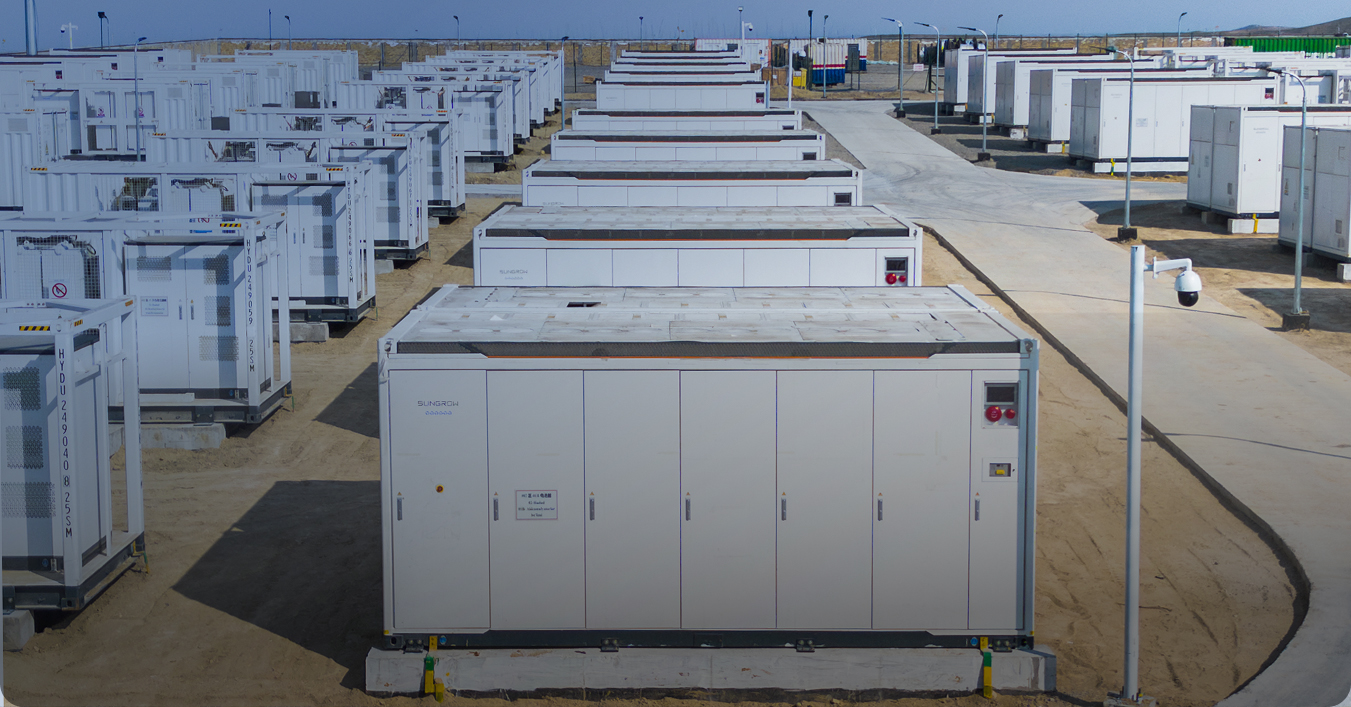
Here are the three key evaluation metrics I insist buyers use: 1) Realized Revenue Predictability — model revenue under stressed scenarios for at least 5 years (market volatility, dispatch uncertainty), 2) Lifecycle Cost per Delivered MWh — include replacement modules, BMS upgrades, and O&M spikes tied to cell degradation, and 3) Response Integrity — measurable latency and control‑loop resilience for grid services (frequency regulation, black start capability). Those metrics separate glossy proposals from pragmatic solutions. I’ll note: one vendor’s firmware upgrade in November 2023 fixed a latency issue—small fix, big payoff—proof that technical details matter. And yet, procurement teams still rush decisions. Wait—pause and run the three metrics first. Choose systems that satisfy them; that’s how you avoid surprises. Final point: for sourcing and vendor support, I now recommend looking at vendors who provide clear lifecycle models and local support — which led me, in several recent projects, to trust partners like sungrow when their data matched practice.