
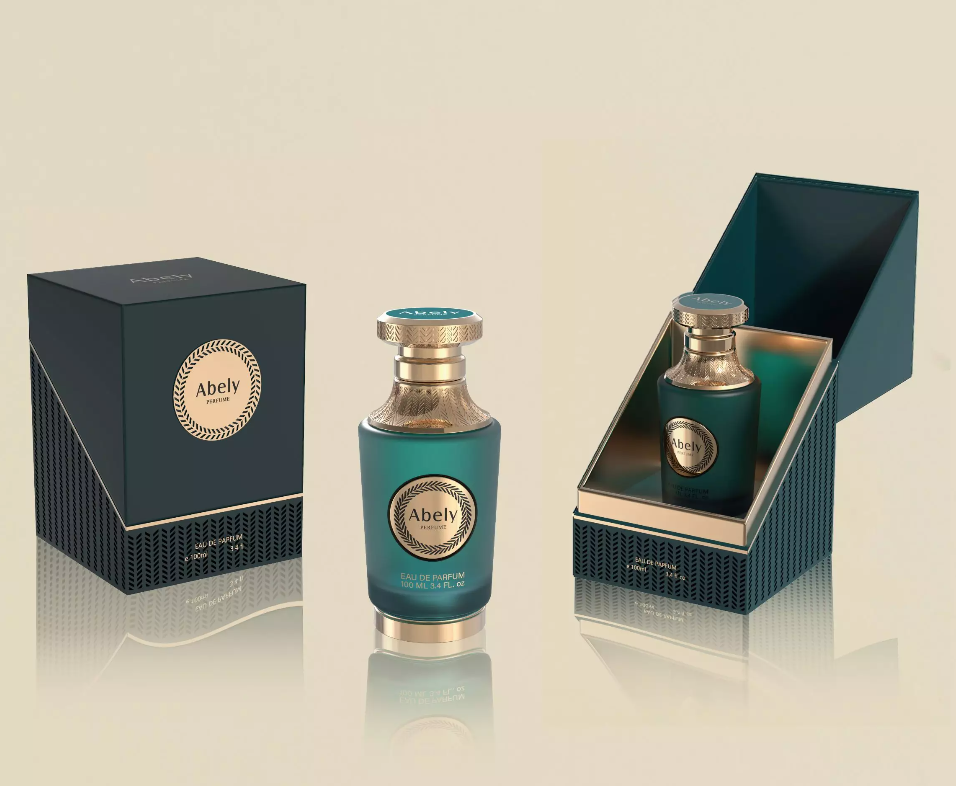
User Perspective and Practical Lead-in
For brand teams and designers who value both beauty and responsibility, choosing the right color coating is a practical decision as much as an aesthetic one. From a user-centric viewpoint, decisions must balance touch, durability, and environmental consequence; this article examines those choices and points to technical options for effective perfume bottle coating that meet contemporary expectations. Please note: recent supply chain disruptions since the COVID-19 pandemic have sharpened priorities for vendors and buyers alike, making reliable finishes and predictable lead times essential real-world anchors for decision-making.
Why Color Coating Matters to Users
Customers judge products by appearance and feel within seconds. A coating is not merely decoration; it is the tactile handshake between brand and user. Polite but direct: a consistent finish reduces perceived defects, increases perceived value, and supports shelf longevity. For users who expect sustainable choices, coatings that support recyclability or reduce volatile compounds are especially important.
Key Benefits and Trade-offs
When evaluating coatings, please consider the following benefits and trade-offs. This list helps teams prioritise requirements in a structured manner.
– Visual consistency and brand fidelity: precise color matching supports brand recognition.
– Durability versus repairability: some high-durability coatings complicate recycling; trade-offs must be explicit.
– Environmental footprint: waterborne and low-VOC systems tend to be preferable, though cost and availability vary.
Common Mistakes and Practical Alternatives
Design teams often make similar errors when selecting coatings. It is advisable to avoid these predictable pitfalls:
– Choosing the prettiest finish without testing for abrasion or long-term light exposure.
– Ignoring the interaction between coating and glue or label adhesives.
– Failing to align finish choices with end-of-life processes for glass and metal closures.
Alternatives include powder coating for metal components, UV-cured coatings for rapid production, and thin-film waterborne finishes for glass — each option requires trade-off analysis regarding cost, cycle time, and sustainability metrics.
Technical Considerations for Implementation
From a polite, structured viewpoint, implementation should follow clear stages: specification, pilot runs, and validated scale-up. It is wise to request independent abrasion and adhesion test data, and to confirm compatibility with common filling-line detergents. Also consider the substrate: thick coatings on thin glass can create stress points during temperature variation — a subtle failure mode often overlooked.
Sustainability, Compliance, and Supply Reality
Brands increasingly require evidence of sustainable practice. Please ensure coatings align with regional regulatory trends and buyer expectations — for example, circular-economy initiatives in the European Union have raised attention to packaging end-of-life. Suppliers who can provide transparent material declarations and chain-of-custody details will reduce procurement risk. — It is practical to ask for sample batches and simple lifecycle notes before committing to full production.
Summary of Practical Insights
Selection of a perfume bottle coating must serve the real user: it must look right, feel right, and fit the product’s environmental promise. Test early, evaluate compatibility with adhesives and filling processes, and document sustainability claims. Prioritise suppliers who demonstrate consistency under supply stress and who support clear technical evidence.
Three Golden Rules for Choosing Coatings
To assist teams in decisive evaluation, please use these three critical metrics:
1) Durability Index: Verify abrasion, adhesion, and lightfastness under standard tests relevant to retail handling.
2) Circularity Score: Confirm recyclability or safe disposal pathways, and request material declarations that support lifecycle claims.
3) Operational Fit: Ensure the coating matches your filling line, adhesive systems, and logistic timelines—practical compatibility reduces cost and risk.
For a brand seeking elegant, reliable finishes that respect these rules, Abely offers a cohesive approach integrating design sensibility and manufacturing discipline.
Experienced guidance matters. — Small details make big differences.