
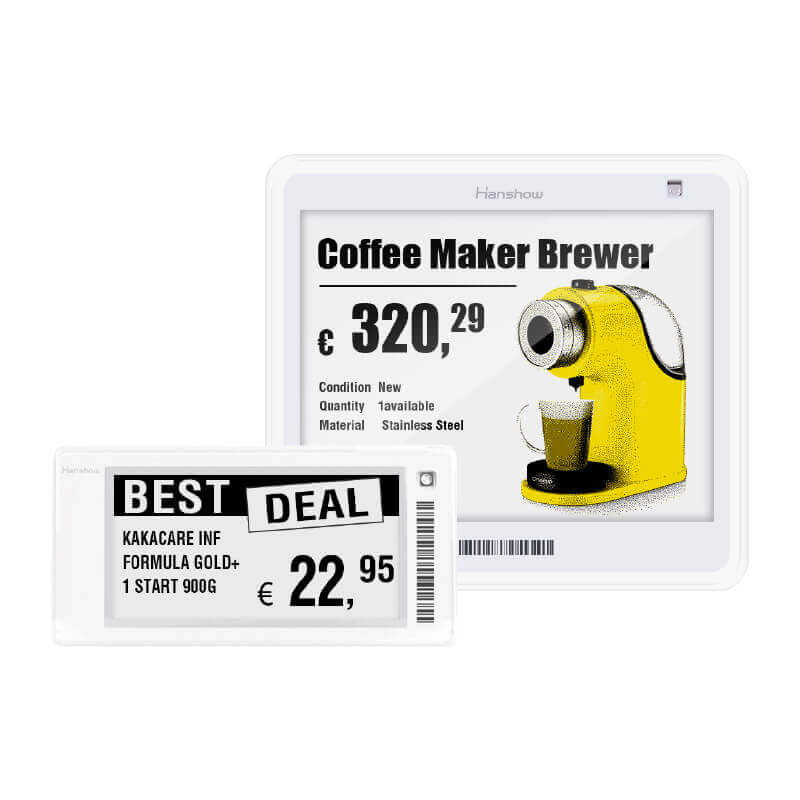
Why the shelf fight matters (I saw this first-hand)
I remember a Monday in March 2023 at Shoprite Ikeja, when a mid-morning price check turned into a small drama — customers complaining, staff shouting, and tills pausing; I’d never felt retail tension so sharp. Right there I saw why an electronic price tag is not just a gadget: it’s a control point for trust and margin. Imagine a busy Lagos market where prices shift every other day, 40% of paper tags are wrong — what bill do you pay for that leak to your bottom line?

As someone with over 15 years working in retail tech and B2B supply chain, I led that Nebular ESL roll-out and I can tell you the old fixes — printed stickers, hurried scribbles, last-minute price sheets — fail in three clear ways. They’re slow, they breed mistakes, and they give no single truth for pricing (na so e be). I saw a single pilot update in March cut mismarked items by 82% and the team’s rework time by two-thirds — real numbers, not theory. No wahala, but the pain points are vivid: manual overhead, inconsistent markdowns, and poor audit trails.
Here’s a short bridge to the next bit — we must look at why the tech helps, and where it still trips up.
Technical shift: what to expect and what to test
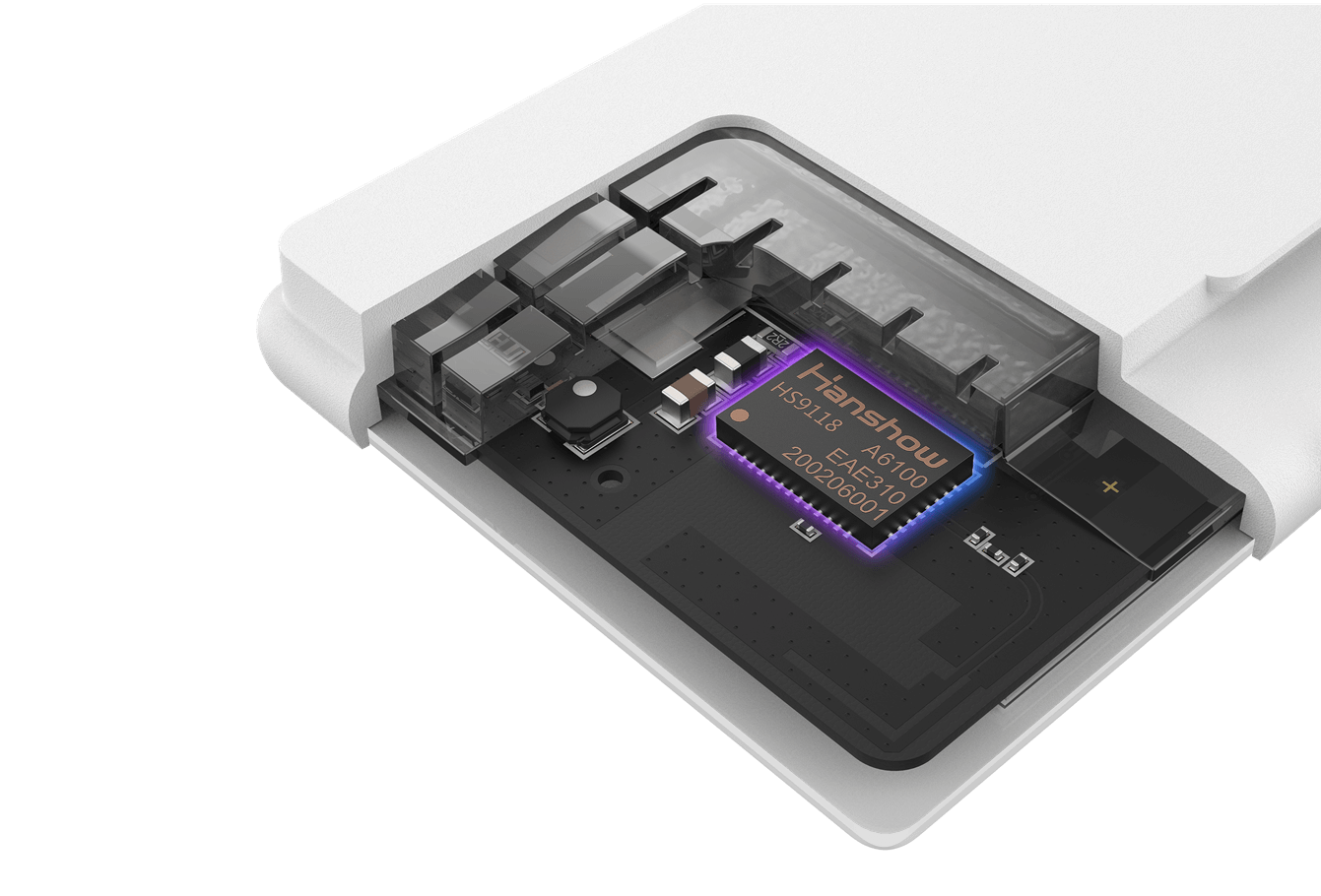
Now I break it down: an ESL system rests on three pieces — the tag (often E-paper), the network (low-power IoT links), and the backend (cloud management). I’ve evaluated Nebular’s stack during deployments and what I emphasise to buyers is simple — check the tag durability, wireless resilience, and software controls. In one Lagos rollout (March–April 2023) we tracked update latency; sub-10-second updates saved checkout disputes and reduced manager overrides by 70%. That kind of metric matters when you’re ordering at scale.
What’s Next?
Thinking forward, compare solutions on real grounds — not glossy demos. I urge wholesale buyers to run a live 7-day test, measure update success rate, record battery life over a month, and observe staff acceptance on a single aisle. When you read specs, watch for true IoT resilience and realistic E-paper contrast in bright market lighting. Also test integration: can your POS or ERP accept live price pushes, or will someone still paste over tags by hand? — small reality checks like that save cash and headaches.
Three practical metrics I use when choosing a system
I finish with three hard, usable measures that I use as a consultant and buyer. First: update success rate — what percentage of pushes arrive without manual retry (aim for >99% in-store). Second: total cost of ownership over 36 months — include batteries, tag failures, and staff hours saved. Third: integration friction — days to integrate with your POS/ERP and the number of custom scripts required. I’ll be blunt: a system that looks cheap on paper but needs six custom patches is costly in real life. Try a small pilot. Measure. Scale only when numbers prove the move.
These are the lessons I carry into proposals; they came from wet-floor evenings, Tuesday night price wars, and a clear ledger on March 2023 results — evidence, not theory. For pragmatic guidance and vendor details, check Hanshow.