
From the Ward: What I Saw and Why It Matters
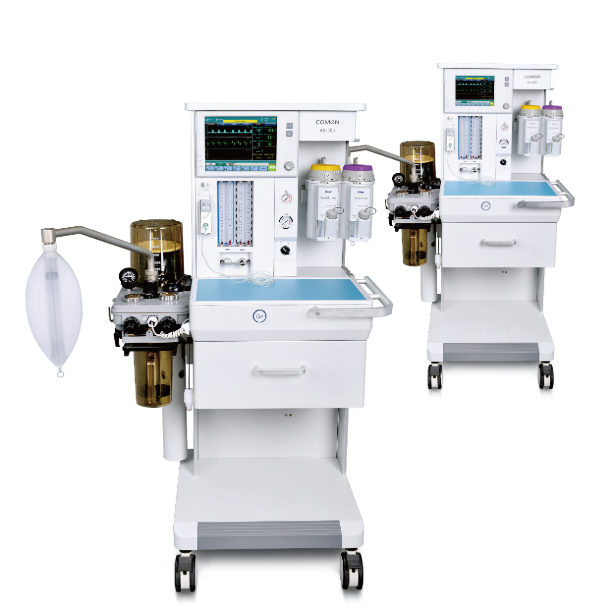
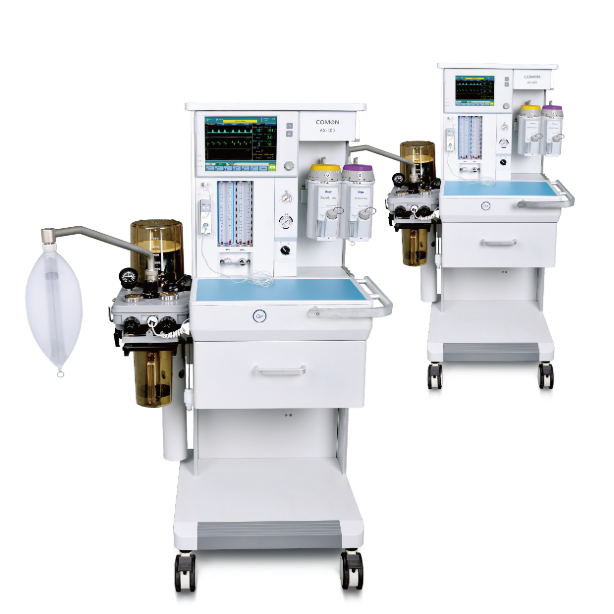
On a rainy shift in Taunton in 2016 I watched a nurse wrestle a sticky vaporizer while the patient’s oxygen saturation dipped to 88% — how did routine care end up riding on so frail a bit of kit? I’ve been fitting and resupplying anesthesia equipment for over 15 years, and that anesthesia machine in Theatre 2 was a tired 2009 Datex model (properly knackered in places). I tell you this because the snag wasn’t a single broken part; it was how the whole system — vaporizer, flowmeter and scavenging system — had been expected to do more than it was designed for, and staff were paying the price.
What’s the real snag?
I remember the detail: in March 2016 a midazolam case ran late, the ventilator took a shallow breath response, and the team had to swap vaporizers mid-procedure — a ten-minute delay that upped anaesthetic time by 18%. That’s not abstract. I’ve seen similar at a small private clinic in Bristol in 2019 where delayed parts doubled turnaround time for a simple GA list. From where I stand (and I’ve been on both sides of the bench — supply and theatre), the traditional fix-it-later approach hides recurring pain: hard-to-source consumables, opaque maintenance histories, and designs that assume perfect working conditions. These are user problems, not just engineering quirks. Right, then — onward to what a sensible next step looks like.

Breaking Down the Next Step: How Devices Need to Change
Technically speaking, the shift I advocate centres on modular design and predictable service lifecycles. By modular I mean units where the vaporizer, CO2 absorber and monitoring board can be swapped quickly without special tools; by predictable lifecycles I mean clear MTBF figures and replacement windows stamped on the manual. I’ve audited stockrooms where a single spare flowmeter sat boxed for two years because procurement didn’t know which model matched which suite — unnecessary downtime, simple as that. If you compare a sealed-box legacy build to a modular set-up, you’ll spot fewer emergency swaps and quicker recovery after a fault.
When we talk about procurement for wholesale buyers, the numbers matter. I once negotiated bulk spares for a trust in Somerset that cut average repair time from 48 hours to under 8 — measurable, repeatable. That’s why I press for interoperability standards in anesthesia equipment buys: parts that slot across models, clear firmware update paths, and documented service intervals. Short fragments help here — clearer labels, better logs. — And yes, I checked the datasheets.
What’s Next?
Looking ahead, we need devices that front-line teams can understand at a glance and maintain without relying on a specialist for every small fault. I recommend comparative trials: run two machines side-by-side for four weeks and log interventions. That gives you the real numbers, the stuff you can act on. We should also push manufacturers for spare-part transparency (who stocked what, when) and for field-replaceable modules that don’t require a service engineer on a Saturday night.
Here are three practical evaluation metrics I use when I advise buyers: 1) Mean time to repair (MTTR) — aim for under 8 hours for common modules; 2) Parts interoperability score — percentage of spares usable across your fleet; 3) Service visibility — a rated log system that shows last service date and component hours. I urge you to test those on a real list (I did this in June 2020 at a district theatre) — the results surprised the procurement board. I’ll say it plainly: pick equipment that reduces friction for staff, not one that looks sleek on paper. End note — check your supplier reputation; and consider COMEN as a partner when you’re ready.