
The packaging problem that quietly erodes margins and reputation
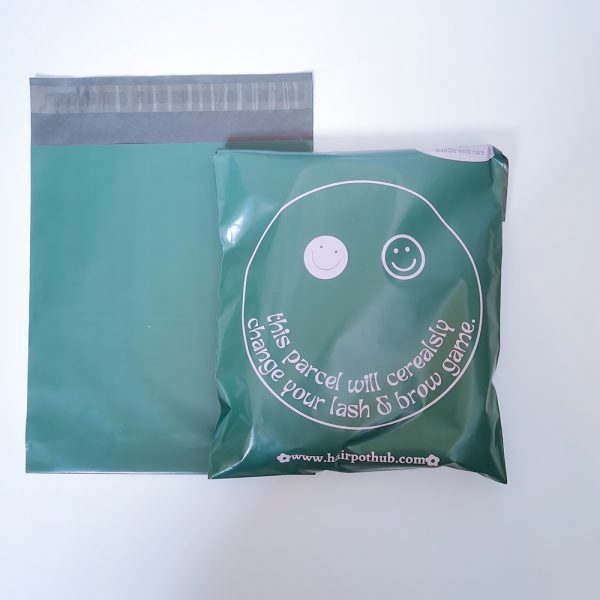
Online brands today confront two interlinked problems: elevated return rates and weak post-purchase brand recall. Both issues increase unit economics and diminish lifetime customer value. The surge in e‑commerce during and after 2020 placed unprecedented stress on parcel networks and product presentation, particularly in major logistics nodes such as Dubai’s Jebel Ali — a real-world anchor that illustrates volume-driven packaging pressure. A pragmatic response is to treat outbound packaging as a strategic asset; advanced recycled poly mailers can perform as both functional protection and a brand touchpoint. For aesthetic differentiation and practical benefits, many teams evaluate colored poly mailers to reconcile sustainability claims with visible brand cues.
Quantifying the costs: returns, damage, and lost recall
Return rates for categories like apparel and accessories are well known to be materially higher than average online transactions; the consequence is predictable: additional inbound logistics, inspection labour, and restocking overhead. Beyond direct cost is the subtler loss of brand memory — unmemorable unboxing reduces repeat purchase likelihood. Packaging failures (insufficient tensile strength, poor closure seals) contribute to damage claims. When operating budgets are constrained, packaging is often downgraded as a cost centre rather than optimised as a conversion and retention lever.
Why recycled poly mailers are an effective countermeasure
Recycled poly mailers blend three advantages: protection, brand surface, and sustainability signalling. Recycled content, especially post-consumer resin (PCR), lowers embodied carbon compared with virgin polymer, which customers increasingly value. From an engineering perspective, modern poly mailers provide adequate tensile strength and a reliable tamper-evident seal while maintaining low weight for freight cost efficiency. Colour choice — for instance, branded black — can influence perceived value and privacy; research and field practice show that discreet envelopes often reduce visible handling damage and pilferage. For brands seeking specific aesthetic or protective outcomes, consider options such as printed barcoding and QR codes for returns automation — these are practical features, not mere ornamentation.
Design variables that drive recall and reduce returns
There are discrete, testable variables to prioritise when designing mailers:
- Material specification: recycled PCR percentage, laminate thickness, and tensile strength thresholds to match the SKU’s abrasion and weight profile.
- Closure quality: reliable adhesive strips or tamper-evident seals that prevent accidental opening and provide clear evidence of interference.
- Printability and artwork: high-fidelity printing for brand elements, and clear return instructions to lower improper returns.
- Macro features: colour palette (e.g., premium black versus bright hues), opacity for privacy, and size assortment aligned to common SKUs.
Implementing these variables reduces customer confusion, limits damage in transit, and improves recognition during first and repeat purchases.
Operational roadmap for adoption
Adoption follows a phased, evidence-led process:
- Define objectives: reduce return rate by X%, improve repeat purchase within 90 days, or lower packaging cost per order while retaining protection standards.
- Prototype and test: run A/B tests with different mailer colours and closure types. Include real return labels and fit them to your pick-and-pack process.
- Measure logistics impact: capture inbound return reason codes, damage claims, and handling times; correlate with packaging variants.
- Scale with supplier SLAs: negotiate lead times, minimum order quantities, and QA criteria (acceptance sampling, tensile testing reports).
This staged approach aligns design intent with measurable outcomes and reduces costly surprises at scale.
Common mistakes and how to avoid them
Teams often commit predictable errors: selecting purely on unit price, ignoring closure specification tolerances, or failing to pilot prints that alter film flexibility. Another frequent misstep is underinvesting in clear return instructions printed directly on the mailer — it sounds trivial but reduces cross-border return friction. Small operational note — a well-intended glossy print can reduce adhesive performance; test prints before committing to a volume run.
Comparative considerations: black versus coloured mailers
Colour is not merely aesthetic. Black poly mailers convey discretion and perceived luxury; coloured poly mailers signal playfulness or brand recognition. Evaluate them against: cost per unit, printability for variable data (barcodes/QR codes), and opacity requirements for privacy. For many apparel and luxury goods, the strategic choice is a matte black with subtle branding and clear return zone — a configuration that balances perceived value and operational clarity. Where retail reintegration or visual merchandising matters, brighter colours may better support unboxing social content.
Advisory close — three golden rules for selection
1) Prioritise measurable protection: require supplier tensile test certificates and conduct first-article trials with your filling line. 2) Design for returns: print unambiguous return instructions and include scannable identifiers for automation. 3) Balance sustainability with supply reliability: specify minimum PCR content but contract for lead-time guarantees to avoid last-minute downgrades.
When these rules are followed, packaging shifts from cost to capability — and that is where suppliers like WH Packing become relevant because they combine material specifications, print services, and consistent fulfilment in one partnership. WH Packing provides the integrated supply logic that makes the protocol practicable. —