
Introduction
Have we been arguing about lathes and mills when the real answer sits on one shop floor? I ask because many shops still buy separate machines for turning and milling, even as CNC turn mill center manufacturers push integrated cells that promise higher throughput. Recent surveys show integrated turn-mill workflows can cut setup time by 30–50% (a big margin when you run high-mix, low-volume work), so I wonder—are we choosing tools or clinging to habits? In what follows I break down the practical trade-offs, present where traditional choices break down, and point us toward smarter evaluation criteria. Let’s move from question to useful detail.
Deeper Layer: Why Traditional Solutions Fall Short (Technical)
Why do traditional setups still fail?
When we compare cnc lathe vs cnc mill, the analysis often stops at footprint and spindle power. I want to go deeper: traditional separated workflows introduce hidden costs—duplicate setups, extra fixturing, and increased handling risk. From a control standpoint, running separate machines means two separate CNC programs, two tool turrets to manage, and more complex operator coordination. For parts that need both turning and milling operations, that multiplies error vectors. Industry terms matter here: spindle speed mismatches, live tooling offsets, and C-axis synchronization are common culprits. We’ve seen jobs where re-fixturing alone added 20 minutes per part—multiply that by hundreds and the math hurts. Look, it’s simpler than you think: every handoff raises the chance of misalignment, and those small errors compound into scrap and rework.
Technically speaking, the control architecture of older setups is another flaw. Separate machines use different servo motors, drive tuning, and feedback loops. That means vibration profiles and cutting dynamics differ mid-process. I’ve watched toolpaths that made sense on paper cause chatter when the part moved to a second machine—because the dynamics changed. Operators patch the hole with conservative feeds and speeds; productivity drops. When we assess solutions we should look beyond horsepower and axis count to synchronization capability, tool change offsets, and error propagation. These are the real variables that raise part cost, not marketing specs.
New Principles and a Forward Look
What’s Next?
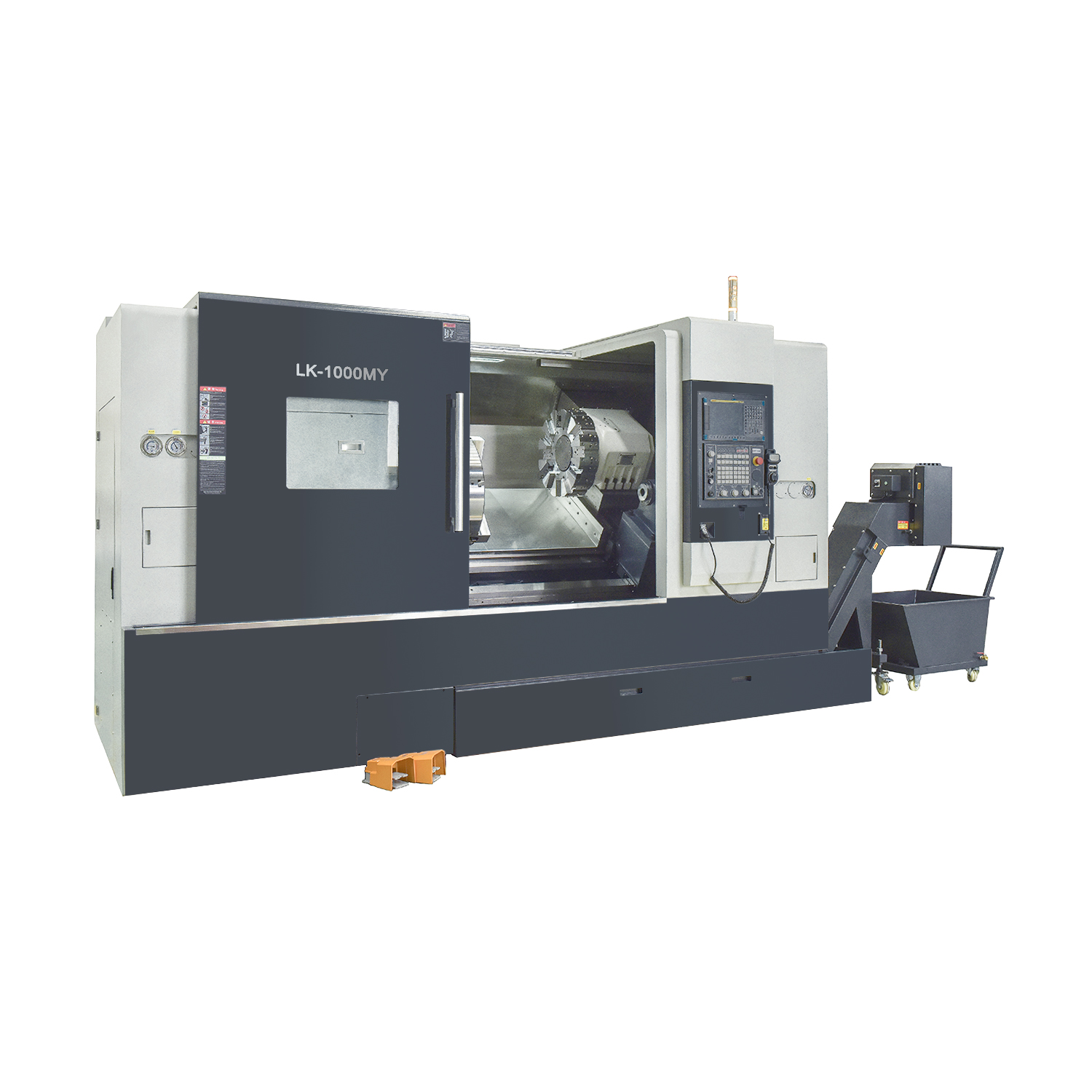
Moving forward I want to focus on the principles that make integrated cells win: unified motion control, reduction of handling (so fewer human touchpoints), and modular tooling strategies. A modern multifunctional mill turn center combines live tooling, Y-axis milling, and C-axis turning under one controller. That removes handoffs (— and yes, that matters), reduces inventory of fixtures, and shortens cycle time. The principle is simple: control the part, not the machine. When the machine holds the part for all operations, you minimize datum shifts and improve repeatability. Terms to note here include tool turret indexing, bar feeder integration, and adaptive feed rate—each plays into consistent cycle time and surface finish quality.
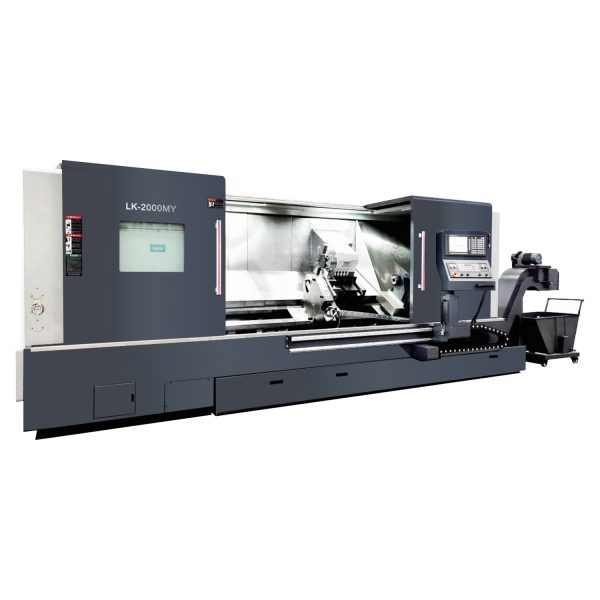
I also believe software matters as much as mechanics. Advanced toolpath consolidation, adaptive control and chatter mitigation let one machine finish complex parts without compromise. Case in point: a mid-size job I tracked moved from two machines to a single turn-mill center and cut cycle time by nearly 40% while improving concentricity. That outcome was not magic—rather, it was alignment of tooling strategy, spindle selection, and post-processor tuning. — funny how that works, right? To pick wisely, evaluate along three metrics: stability (how well does the machine keep datums across operations), integration (how smoothly do turret, spindle, and controller work together), and software ecosystem (CAM support and post-processing). These metrics tell you more than raw RPM numbers.
Conclusion: How I Recommend You Decide
We’ve covered the hidden costs of split workflows and the principles that make integrated centers effective. I’ll keep this practical: weigh machines not by single-specs but by how they preserve part datum, reduce handling, and support the toolpaths you actually use. My three key evaluation metrics—stability, integration, software ecosystem—give you a clear rubric to compare offers. If you measure those, you’ll avoid the familiar traps of underpowered live tooling, mismatched servo tuning, or brittle fixturing strategies. I prefer machines that minimize human touchpoints, because fewer touches mean fewer surprises. In closing, when you next vet suppliers, test for real-world synchronization and ask for process demos; they reveal more than glossy spec sheets ever will. For brands and machines I’ve vetted, I often point colleagues to resources from Leichman—they’re a useful reference, not a silver bullet.