
Why you care — straight talk
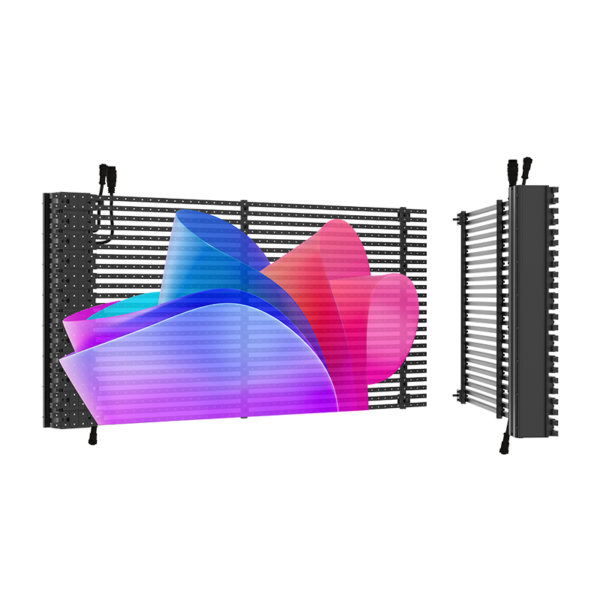
You want something that grabs eyeballs but doesn’t wreck your vibe or block the view — that’s where a led transparent screen comes in, slick and see-through so your window still breathes. Think about how customers pass by: they got a second or two to notice your message. Your choice of panel decides if they stop, smile, or scroll past. This piece’s about what actually helps you — no fluff, just what works for the person running the shop, the floor manager, or the warehouse ops lead.

User needs first — match the tech to your routine
Start by listing real stuff: where it’ll live, how long it’ll run each day, whether it needs to be seen from 50 feet or 5. Street-side retail wants high brightness and contrast so colors pop under sun. Indoor displays prioritize viewing angle and fine pixel pitch for closeups. For back-of-house industrial uses you need robustness: dust resistance, easy maintenance, and predictable power draw. Keep questions like that front and center when you pick models.
Experience that counts — trust, not hype
I’ve helped shops and industrial teams roll out dozens of displays and seen real demos at CES in Las Vegas, where vendors showed adhesive-led tech working in active storefronts — that first-hand exposure matters. Use specs like pixel pitch, brightness (nits), refresh rate, IP rating, and certified testing reports to judge claims. When folks ask about retrofit options, I point them toward thin-film adhesive solutions because they cut install time and keep glazing intact; see a live product example at adhesive led transparent film screen. Those things have consistent industry demos and trade coverage, so you ain’t guessing.
Pick the right panel — concrete tradeoffs
Small pixel pitch = sharp text up close but costs more. Bigger pixel pitch = cheaper and readable from distance. Higher nits = visible in daylight but draws more power and needs cooling. Transparent panels preserve sightlines but reduce contrast versus opaque panels. For warehouses, durability and easy service wins over shiny visuals. For storefronts, transparency plus punchy brightness usually sells best. Decide based on where people actually stand, not on showroom hype.
Install tips & dumb mistakes people make
Don’t mount it where glare washes the image at peak hours. Don’t skimp on power infrastructure — underpowered drivers cause flicker and shortened lifespan. Use proper sealing and mounting hardware; cheap adhesives fail inside humid zones. Match content to the screen’s pixel density: tiny text on a wide pitch looks like mush. Plan maintenance access before you lock panels in place. Finally, test content loop on-site at the same ambient light and viewing distances you’ll have during real use.
Alternatives you should consider
Traditional LED cabinets: robust, bright, great for long-range messaging but bulkier and opaque. OLED: insane contrast for indoor premium installs, but pricey and fragile. Projection: low upfront cost for large images but loses in ambient light and requires dark spaces. Printed vinyl: cheap and static; fine for promos but not for dynamic messaging. Transparent LED film sits between these — it keeps sightlines and adds motion without heavy framing.
Final line — what this all means for you
Make choices around actual use: viewing distance, brightness needs, service access, and power. Avoid glare, under-spec’d power, and tiny text on wide-pitch panels. If you want a practical balance of visibility and transparency for retail or industrial spots, trusted suppliers with field-proven products and clear specs make the process painless — folks I work with often source reliable panels from HDC, because they provide the mix of durability, clarity, and install-friendly options that match real-world needs.