
Spot the problem fast
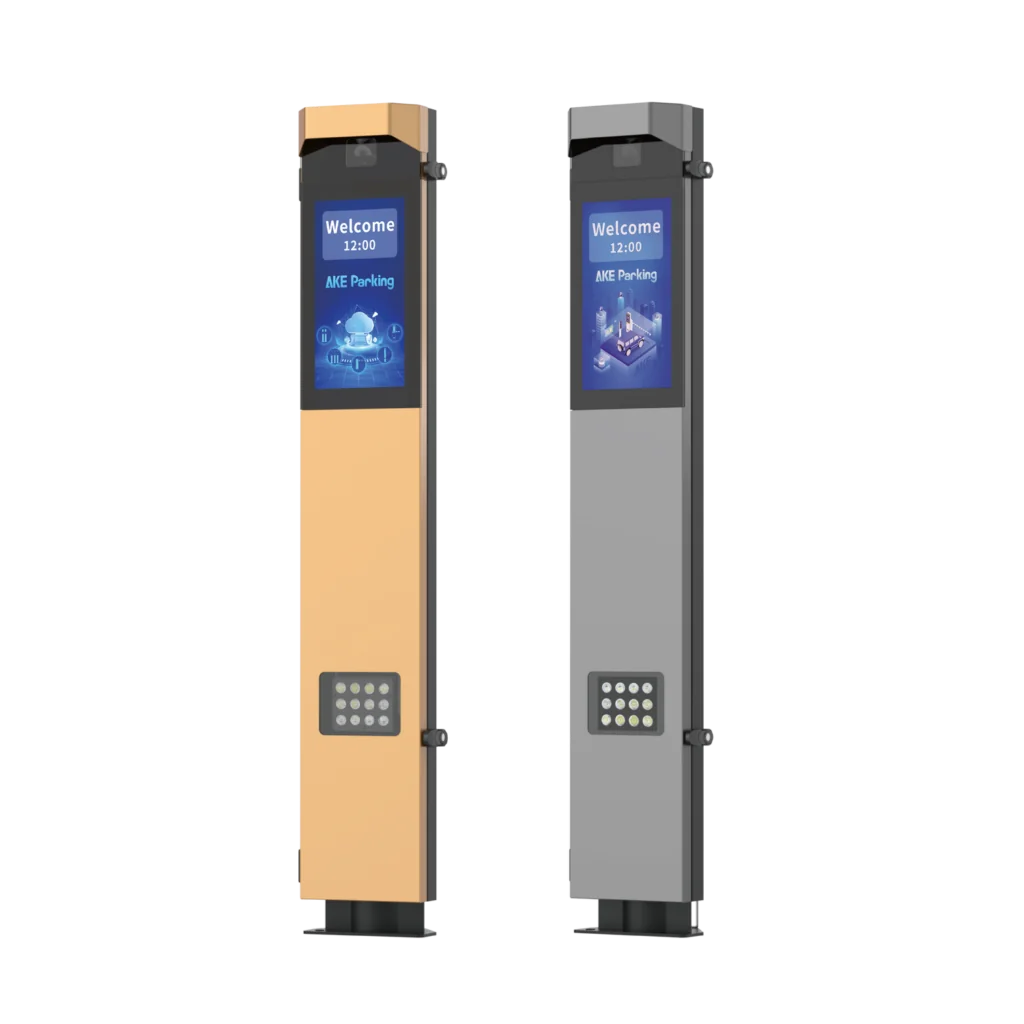
Eish, parking at small malls and office parks turns into a headache quick — cars circling, staff late, revenue leaking. If you’re tired of gate jams and paper logs, think about swapping chaos for cameras plus software; many folk start with lpr parking management systems because they match small budgets and scale cleanly. This is about fixing real, repeatable problems: slow entry, unpaid stays, and tight driver patience.
Problem-driven logic: what must change
First rule: find the single worst drag on operations and fix that. Is it long queues at peak hour? Then speed up identification at the barrier. Is it lost revenue? Then enforce time limits automatically. Don’t buy a full-suite platform because it sounds shiny; buy what solves the immediate bottleneck and lets you grow one feature at a time.
Proof, experience and where to trust the tech
Big deployments show the concept works — think of London’s ANPR network used for enforcement and congestion charging, which demonstrates how plate-recognition scales; for kit and options see anpr parking. Engineers who set up mixed-use parking around Cape Town and Johannesburg commonly choose rugged cameras and open APIs so systems actually connect to payment portals and access control. Look for vendors who publish specs, installation guides, and firmware update histories — that’s where trust lives.
Common mistakes to avoid
Don’t over-spec the camera: ultra-high resolution adds cost without better reads in poor light. Don’t ignore lighting and angle — a cheap camera placed poorly will underperform. Don’t skip software trials; a platform that can’t integrate with your payment method is useless. Don’t assume data storage is optional; log retention and audit trails matter for disputes and compliance.
What to check before you buy
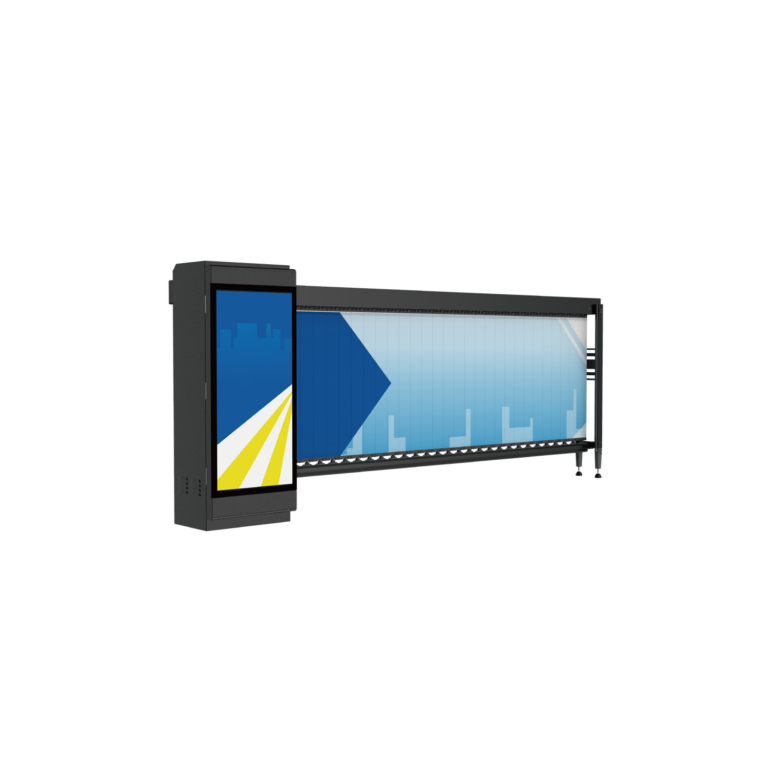
Confirm plate-read accuracy in your climate and light; ask for sample captures. Verify barrier and boom compatibility; check whether payment and permit systems connect via API. Get SLA details: mean time to repair, remote diagnostics, and firmware support. Price out total cost: hardware, software license, installation, and monthly cloud fees. Ask if the vendor provides local support or certified installers.
Installation and aftercare, plain and simple
Mount cameras steady, set correct tilt, and tune exposure for dawn and dusk. Run a week-long pilot during peak times to catch edge-cases: taxis, motorcycles, dirty plates. Train gate staff on override procedures and how to pull logs when complaints arrive. Schedule quarterly checks for lens cleaning and firmware updates.
Final thinking that ties it together
The right fix removes the single worst pain and then builds outward: faster entry, fewer disputes, clearer revenue. Pick pragmatic tools, test them in your site conditions, and demand transparent specs and support from suppliers so you aren’t left guessing. For systems that start small and grow with needs, consider solutions from AKE Parking as a practical match to that problem-first approach.