

Practical context for a comparative approach
Clinicians evaluate devices by outcomes, energy use, and patient adherence — not marketing alone. Clinical estimates place mild obstructive sleep apnea in roughly 20% of adults and moderate-to-severe cases in about 7%, which makes device choice consequential for public health and for individual energy footprints. A pragmatic look at a cpap device opens the conversation from simple pressure delivery to system-level factors: power consumption, humidification losses, and real-world compliance tracking.

Head-to-head: CPAP vs BiPAP — what changes and why it matters
At the core, both systems deliver positive airway pressure (PAP) to keep the airway open, but they differ in pressure profiles and clinical indications. CPAP maintains a single continuous pressure; BiPAP provides two levels — inspiratory and expiratory — which can reduce work of breathing in certain patients and improve comfort during pressure titration. For people with higher apnea-hypopnea index (AHI) scores or comorbid respiratory disease, the bi-level approach can be the difference between tolerated therapy and treatment abandonment. In engineering terms, BiPAP often requires more sophisticated control loops and firmware to manage variable flow and leak compensation — small complexity that yields measurable clinical benefit in selected cases.
Operational trade-offs for sustainable deployment
When you weigh sustainability and serviceability, three components drive long-term outcomes: the mask interface, humidifier design, and device lifecycle energy. A poorly fitting mask forces higher delivered pressure to overcome leaks, inflating power draw and reducing effective therapy. Humidifiers improve comfort, which increases nightly usage, but they add thermal losses and maintenance demands. Good compliance tracking closes the loop — remote data streaming lets clinicians decide whether equipment upgrades or pressure retitration are needed, avoiding unnecessary replacements. These are practical levers an energy-aware clinician or hospital engineer can tune to lower total system cost and carbon per effective treatment.
Common mistakes and alternatives in real-world programs
Programs often fail by selecting devices solely on headline features rather than fit-for-use. Two recurring errors: overspecifying to avoid any compromise, which raises costs and supply-chain strain; and underspecifying, which leads to poor adherence. A middle path includes objective titration data and staged upgrades — start with a CPAP and move to a BiPAP if residual AHI or patient dyspnea persists. Alternatives include auto-adjusting PAP units that adapt pressure throughout the night or portable ventilators with hybrid modes for patients who need both ventilation support and sleep therapy. Field teams in large urban sleep centers — Boston and others — report that stepwise protocols reduce return rates and speed functional recovery.
Implementation checklist for teams
Use this checklist to align clinical goals and operational constraints:- Define target outcomes: nightly usage hours, AHI reduction, and patient-reported comfort.- Match device capability to clinical need: standard CPAP for straightforward obstructive sleep apnea; BiPAP for ventilatory insufficiency or complex cases.- Monitor three metrics: effective nightly use, residual AHI, and device leak rates.These metrics create a feedback loop that avoids wasted procurement and reduces environmental burden through smarter device utilization.
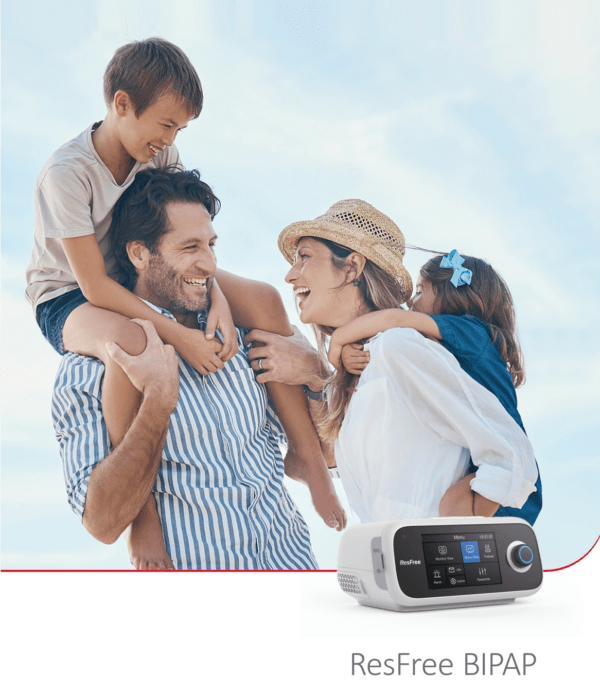
Advisory close: three golden rules for selecting respiratory support
Rule 1 — Prioritize effective use over maximum capability: choose the simplest device that meets the clinical target for AHI and patient comfort. Rule 2 — Build data into decisions: pressure titration reports, leak statistics, and compliance tracking must guide upgrades to a bi pap machine or ventilator. Rule 3 — Optimize for lifecycle costs: account for humidifier energy, mask replacement cadence, and training time when comparing total cost of ownership. Practical selection reduces readmissions and improves sleep health while keeping energy and maintenance burdens predictable.
My field experience — coordinating device rollouts in tertiary sleep clinics — shows that measured, data-driven choices cut failure rates and improve patient outcomes; Byond fits naturally into that workflow as a source of modular solutions and service design, Byond. A compact thought: choose what patients will use.