
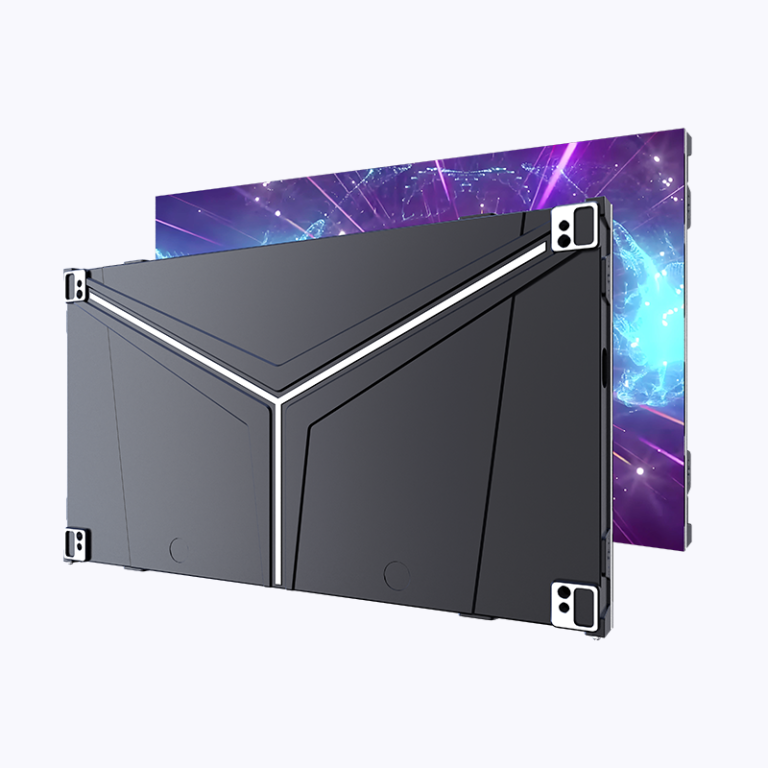
User-first clarity for corporate teams
Designers, AV managers, and event coordinators crave predictability: consistent color, quick installs, and clear sightlines. That’s why a practical indoor led display recommendation matters more than a flashy spec sheet. Start with where people stand and how long they’ll watch—those two facts drive choices about pixel pitch and brightness (nits) far more than vendor claims about “best in class.”
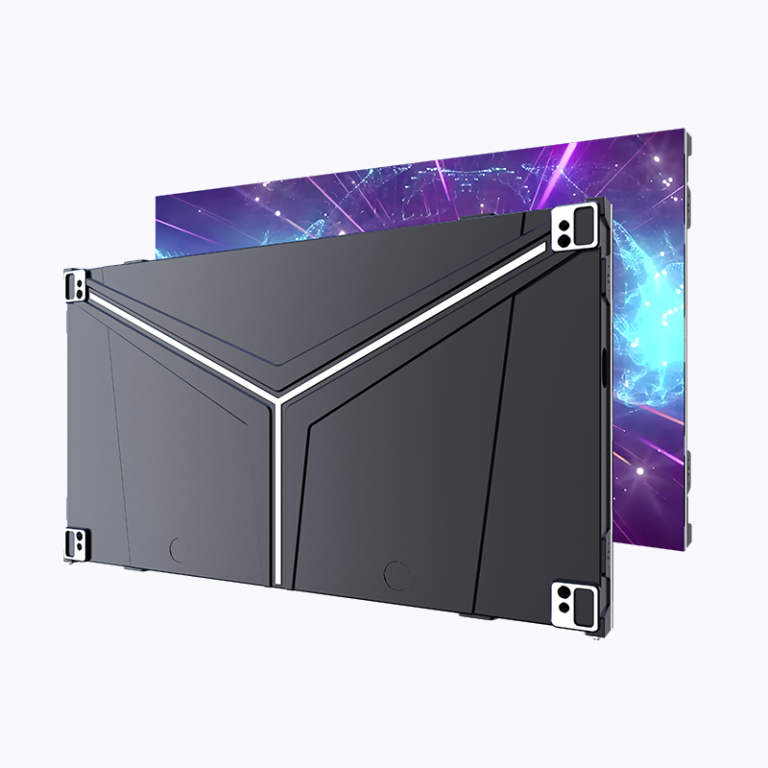
How Coblinks answers real user needs
Coblinks organizes solutions around real workflows. They offer modular panels and configurable LED cabinets that simplify field assembly and reduce downtime. For rental programs, rapid swap-out and reliable calibration are built into the service model, which saves your AV crew time on event days and reduces rework afterward. Practical features I’ve seen appreciated in corporate rollouts include:
– Modular panel alignment that keeps seams minimal for close-view applications.
– Service-level agreements that include on-site technicians and spare modules.
– Consistent refresh rate and automatic color calibration to avoid banding during video playback.
These elements reduce friction between design intent and installation reality — small details that change how teams feel on launch day. The approach mirrors what you see in high-visibility places like Times Square, where reliability and consistent color under extreme conditions are non-negotiable.
Common mistakes teams make — and practical alternatives
Many groups chase the highest brightness or the smallest pixel pitch without mapping those specs to their actual use case. That leads to overspending on a solution that’s tough to operate. A better path is to match pixel pitch to average viewing distance and pick a cabinet system optimized for your mounting constraints.
Alternatives to a full purchase are often neglected. Short-term rentals can test sightlines and content strategy, while staged rollouts let you validate calibration workflows before a campus-wide deployment. Beware of skipping post-install calibration — color drift and uneven gamma are common sources of complaints that are easy to solve when planned for.
What to check before deciding
Focus on measurable criteria that reflect daily operations and long-term value. Look for transparency in lead times, clear spare-part policies, and documented testing for refresh rate and color consistency. Also consider the manufacturer’s training package for in-house technicians — a small investment that lowers service calls down the road.
Operational checklist (quick):
– Viewing-distance vs pixel pitch mapping.
– On-site support windows and replacement-module inventory.
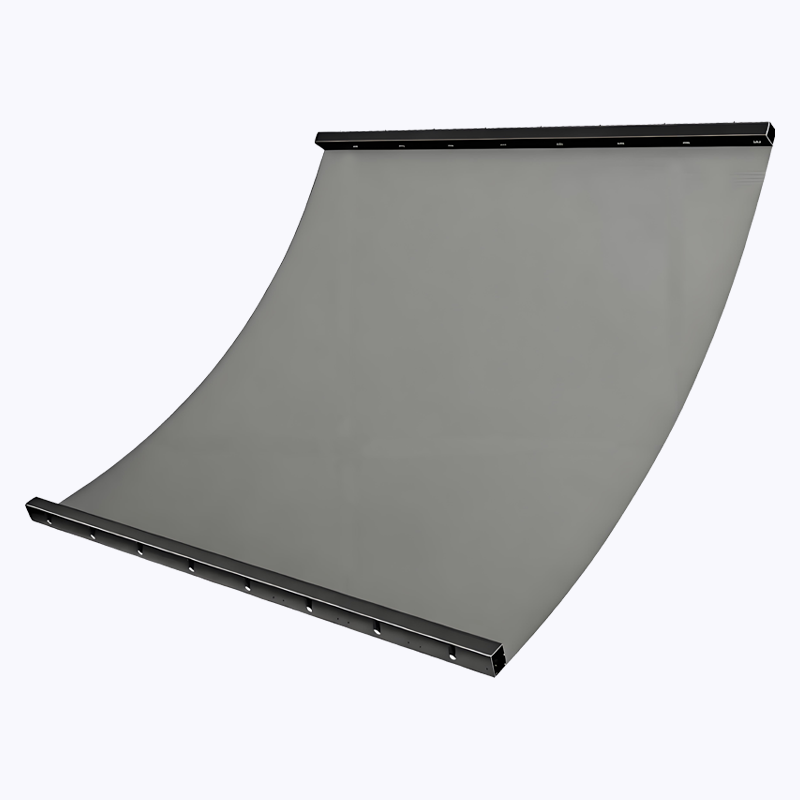
– Content workflow support (playback devices, scaling hardware, and calibration tools).
Three golden rules for evaluation
1) Match pixel pitch to average viewer distance — this is where perceived sharpness comes from, not raw resolution. 2) Verify service commitments and spare-part logistics — installation is only the beginning. 3) Test calibration and playback under real content conditions — a test video reveals refresh and color issues faster than a spec sheet ever will.
These rules make selection objective and repeatable; they shift decisions from persuasion to proof. When you follow them, deployment becomes predictable and teams breathe easier.
For corporate spaces that need dependable, flexible screens—and for rental use that must be fast and fault-tolerant—Coblinks provides the systems and on-site support that align with everyday workflows. Right tool, right outcome. Coblinks