
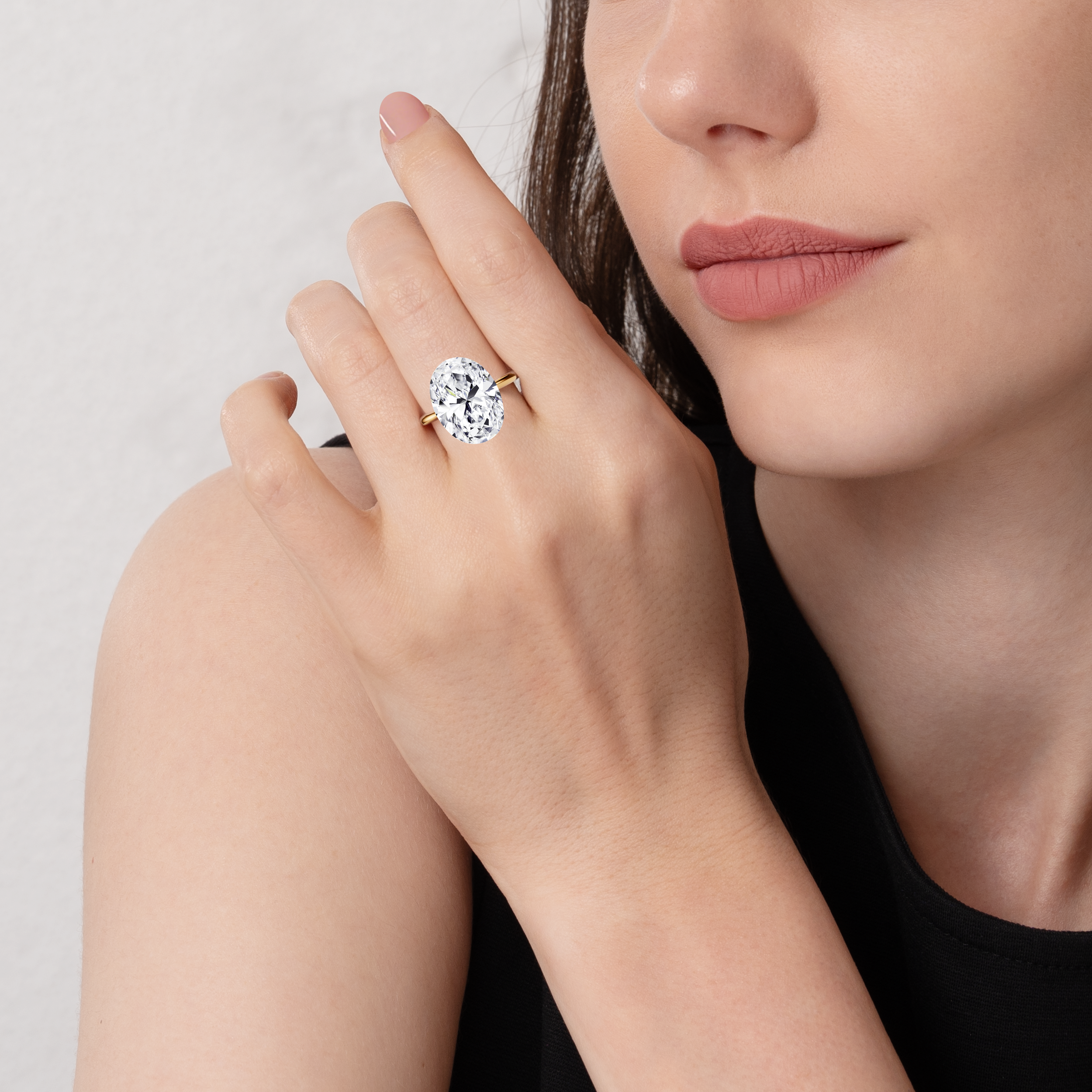
Introduction: A Choice That Looks Simple, But Costs Time
Have you ever stood under shop lights, thinking one sparkle could answer everything? In the next breath, sales show you many bridal sets, each with tiny differences that feel huge. Industry surveys often note that more than half of couples revisit their first choice because the fit or finish was not right—so, why does it keep happening? The scene is familiar: a ring that seemed perfect in a tray, but on the hand, gaps appear; the band rubs; the stones snag fabric. In my view, this is not only about taste; it is also about structure.

When shapes and settings do not agree, problems grow. A square center meets a curved band. A prong setting asks for clearance the shank cannot give. Micro-pavé looks delicate, but it needs stability; milgrain adds charm, yet catches dust. Small things, but they add up. Look, it is simpler than you think: many “misses” come from tolerances, height, and wear—factors people rarely discuss on day one. So, we start with the real pain points, not the display sparkle (yes, that part is nice). Ready to look deeper? Let us move to the details.
Hidden Friction with Princess Cuts: Why the Old Way Fails
For many shoppers, princess cut bridal set rings feel like a clean, modern answer. Yet traditional match-ups often ignore how a square stone behaves in daily wear. The corners need protection, so V-prongs are common; that raises head height. A raised head means the wedding band may not sit flush. Then comes the “micro gap.” Old solutions add a curved contour band, but the contour assumes one uniform head. In reality, girdle thickness, pavilion depth, and shank profile vary by maker. Small differences become daily rub. Channel-set bands can press against corners; pavé edges can snag. And rhodium plating wears on contact points—funny how a bright finish also reveals the fit issues, right?
Where does the gap come from?
It is often tolerance stack-up. The CAD model says 1.5 mm clearance; the casting shrinks; polishing removes 0.1–0.2 mm; prong tightening shifts the seat. Now the band sits 0.4 mm off the engagement ring. Not much, but you see it. Traditional fixes? Add a spacer, or curve the band more. But that can push the profile out of balance. The hand feels it. Long term, you may see corner abrasion or loosened micro-pavé. The hidden cost is maintenance. You return for retipping or re-polish sooner than you planned. In this way, the old way “works,” but it works hard. Look, it is not your taste at fault; it is the system.

Comparative Outlook: Precision Fit Now, Fewer Headaches Later
New workflows change the story. Designers now use parametric CAD to link head height, V-prong angle, and band contour in one model. The principle is simple: set the stone seat first, define the prong load path, then generate the mating band to the actual crown outline (not a generic square). CAM milling or high-resolution resin prints cut down on shrink variance, so your flush-fit is measured, not guessed. In practice, the wedding band is shaped to the live engagement geometry, which reduces that 0.4 mm float to near zero. If you love a yellow gold bridal set, you can also spec alloy hardness (14k vs 18k) to manage wear at contact points. Add a discreet under-gallery bridge, and spinning is reduced. Simple moves—big results.
What’s Next
From here, compare not just style, but system behavior. You learned why corners need V-prongs and why channel-set edges need clearance. Now look for signs of smart engineering: a co-planar band shoulder, a shaped inner notch, or a micro-bevel that protects pavé beads. In many shops, these are quiet features. But they save you time and money. Three quick metrics to use: 1) Fit tolerance: ask the maker to state target clearance in millimeters between band and head; 2) Maintenance interval: request a retipping estimate at year five under normal wear; 3) Alloy and finish plan: confirm hardness and plating strategy at high-contact points. Small checks, steady peace. And when you see a set that feels calm on the hand—funny how that signals good math and good craft. In the end, choose the piece that respects both your style and the physics. Knowledge gives you confidence, not pressure. For further study, you may refer to Vivre Brilliance.