
Problem statement: power and protection pulling different directions
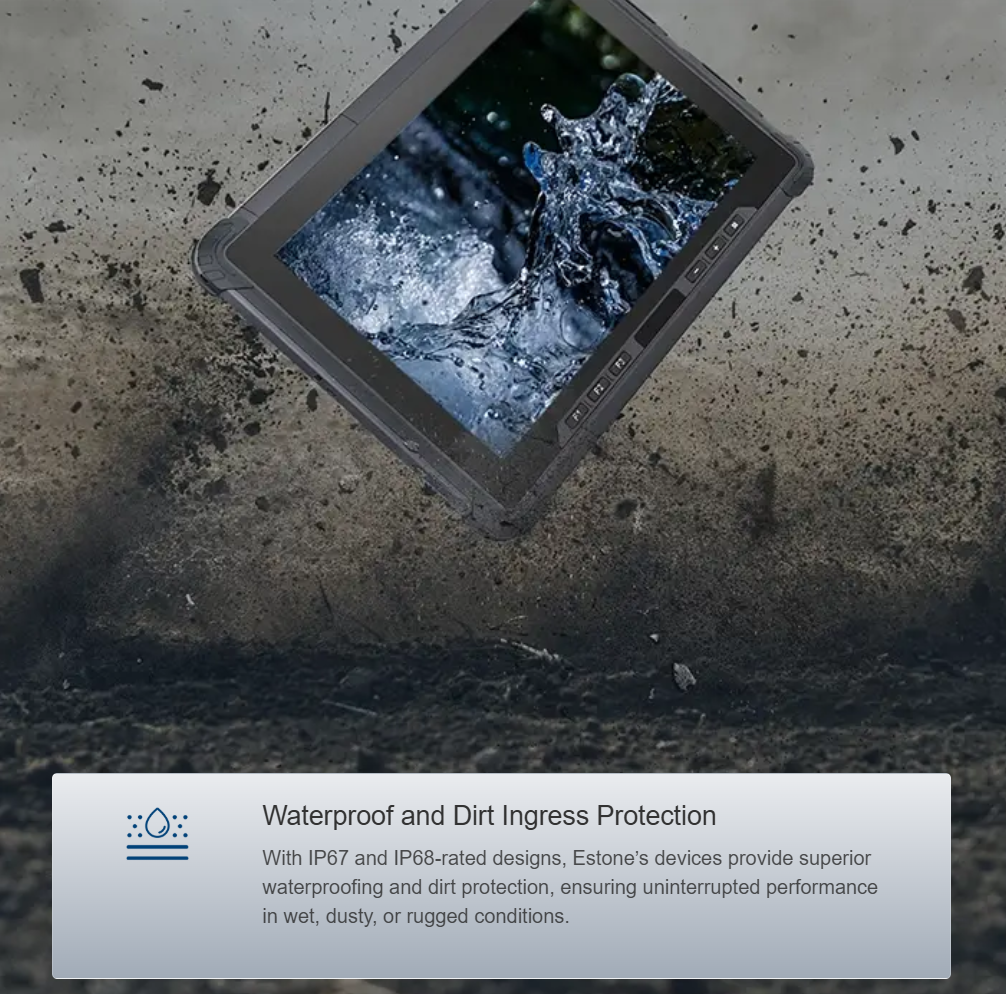
When you drop a full-powered embedded board into a constrained enclosure, you usually get performance gains — and a heap of headaches about electrostatic discharge and electromagnetic interference. That tension’s exactly why integrators sometimes reach for off-the-shelf rugged hardware instead of designing custom housings. A practical middle ground is using a vetted platform like the 10.1 tablet pc as the baseline: it gives a hardened enclosure, certified ingress protection, and a pre‑qualified touchscreen and EMI layout so you can focus on compute and I/O.
Why ESD isolation and shielding matter for embedded computing
High clock rates, compact layouts, and dense connectors make modern single-board computers vulnerable to ESD pulses and stray RF. If you skimp on shielding or ignore proper ESD isolation, you’ll see flaky I/O, corrupted flash, or unexpected reboots — not good when folks rely on a device in a hospital ward or field unit. Industry hallmarks like MIL-STD-810 vibration testing and clear EMC strategies reduce that risk, and IP-rated enclosures keep moisture and particulates from turning minor problems into costly failures.
Real-world anchor: lessons from emergency medical deployments
During the 2020 COVID hospital surge, teams rushed rugged devices into triage tents and makeshift ICUs. Devices with certified ESD protection and sealed housings kept working under constant handling and disinfectant use. That’s a clear, real-world reminder: shielding and isolation aren’t optional when devices must perform under stress. The result? Systems that had robust shielding and tested EMI performance stayed online — the rest needed emergency swaps.
Common mistakes that cause the trade-off to tip the wrong way
Designers often miss three predictable traps. First, they rely on board-level ground planes alone and forget chassis bonding. Second, they add metal shielding without addressing connector feed‑throughs or gasket compression. Third, they assume a touchscreen overlay won’t affect ground continuity. These oversights lead to noisy signals and recurring failures—so don’t let that be your project.
Practical steps to deploy high-performance boards without losing ESD guardrails
Start with proven building blocks: choose an enclosure or platform with certified shielding and an IP rating appropriate for your environment. Match that with PCB layout practices — controlled impedance traces, isolated ground pours for analog and digital domains, and filtered I/O on external connectors. Use conductive gaskets where panels mate and confirm chassis bonding to earth; that takes care of many ESD paths. Also validate with targeted tests: ESD bench pulses, basic EMC scans, and thermal cycling. These checks save time and warranty headaches later.
How rugged tablet platforms change the calculus
Picking a purpose-built device such as a certified 10.1 inch rugged tablet cuts development risk. You get a finished enclosure, touchscreen integration, and known EMI behavior — which is a big win when your application needs both compute horsepower and medical or field certifications. That said, if you need custom I/O or an unusual peripheral, plan for a modular approach: expose well-filtered, shielded interfaces and avoid cobbling extensions that defeat chassis grounding.
One more practical tip — validate early with system-level tests using the real enclosure and peripherals. Lab-only board tests miss a surprising number of real-world failure modes. — It’s cheaper to find them before thousands of units ship.
Advisory: three golden rules for choosing the right path
1) Prioritize platforms with documented EMC and ESD test results: that gives you a predictable starting point. 2) Enforce chassis bonding and gasketed seams in your mechanical design; small gaps break shielding. 3) Keep I/O filtered and use connector shields tied to chassis ground, not just PCB ground. Follow those three and your performance gains won’t come at the cost of reliability.
The practical value here is straightforward: pick hardware that already solves mechanical and EMI problems so your firmware and app teams can move faster — and cost less on rework. Estone. –