
Introduction
I once watched a friend hide her smile before a meeting because a wire poked at her cheek — small thing, big shame. lulusmiles showed up in that conversation as a hopeful name; I looked it up and found clinical numbers that matter: over 90% patient satisfaction in some studies, measurable reductions in treatment time with digital planning, and faster labs thanks to 3D scanning. So I ask: how do we move from stats to real comfort and confidence for people who just want their teeth to feel normal again? (I feel this — we all want simple answers.)
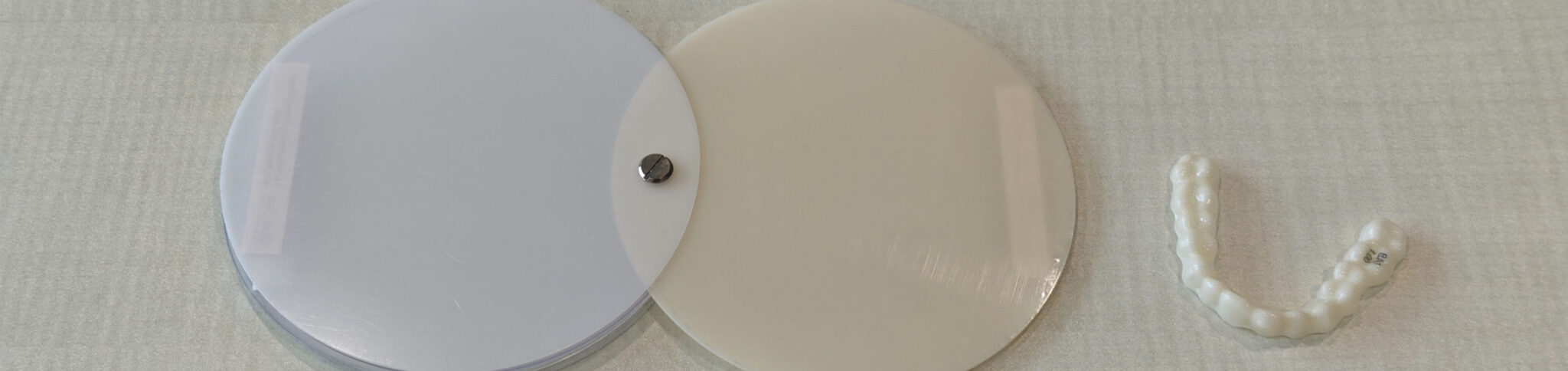
I write from the standpoint of someone who’s talked to patients, techs, and a couple of nervous dentists. Clear aligners are precise, but they don’t fix the human parts: sore gums, lost trays, or the awkward first week of speech change. I’ll walk you through what I’ve seen, name the trade-offs, and offer concrete ways to think about choosing gear and care. This is part melody, part manual — and it leads straight into the practical pain points I’ve found when aligners meet real mouths.
Hidden User Pain Points with aligners
Why do simple things feel hard?
When I dig into user stories, they repeat like riffs: aligner fit that shifts after a bite; attachments that snag; aligners that yellow from coffee. Technically, many of these come from gaps between lab intent and real use — misread 3D scans, imperfect orthodontic staging, or trays made without enough retention. Patients say, “It fits at the first appointment,” and then a week later it’s loose. I call that the reality gap. Look, it’s simpler than you think: small measurement errors and material choices turn into daily friction for the wearer.
From my conversations with clinicians, two deeper problems stand out. First, patient education is weak. People don’t know when to call, how to check fit, or when minor discomfort is a sign of progress versus a problem. Second, follow-up systems are inconsistent. A nice algorithm can flag a misfit, sure, but human follow-up — the kind that asks, “Are you sleeping well with these?” — matters. I’ve seen clinics fix recurring issues by adding short 10-minute checks at weeks two and six. That small change lowered returns and improved outcomes. So yes, the tech works, but human systems must catch the rest.
Case Example and Future Outlook: Tooth Brace Evolution
What’s Next?
I want to sketch a short example. A local practice I follow switched to a hybrid workflow: high-resolution scanning, cloud-based treatment planning, and staged in-office checks. They paired that with better patient instructions and gentle reminders. The result was fewer emergency visits and a higher comfort score. This is not magic — it’s better orchestration: better scans, clearer staging, and predictable fits. A modern tooth brace system should feel like a tailored suit, not a one-size shrug.
Looking forward, I see three practical evaluation metrics to help you choose a solution — because choices matter and not all systems are equal. First: fit fidelity — how closely the delivered tray matches the digital plan. Second: follow-up loop — does the provider have scheduled touchpoints, or do you get ghosted? Third: material comfort — thinness, edge finish, and clarity that resists staining. Measure those and you’ll avoid a lot of disappointment. I speak from work with clinicians and patients; I’ve learned to value small fixes that make big quality-of-life gains — funny how that works, right?
To wrap up: aligners can be precise tools, but they need human care, sensible metrics, and clear communication to shine. Use those three checks, demand better fit and follow-up, and you’ll find the route to a steadier, kinder treatment. For resources and products that align with these ideas, I recommend checking out lulusmiles — they reflect many of the practical choices I describe here.