
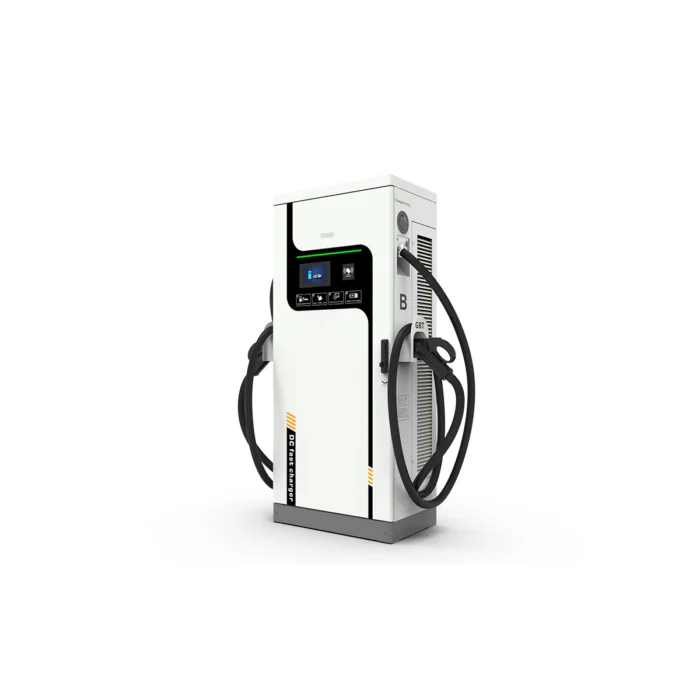
Introduction: The Moment Speed Meets Real Use
Here’s the truth: charging speed shapes the whole visit, from traffic flow to coffee lines. A 120kw EV charger can turn a quiet site into a steady hub within months (sometimes weeks). But is raw speed the whole story, or does design decide the win? Picture a highway plaza at 6 p.m., twelve cars deep, and two stations pulsing at different rates. Data shows median dwell time can drop from 45 minutes to under 20 with high-power gear, yet dropout rates rise when queues look long. So, what matters more—sheer output or how that output is managed across cars and time?
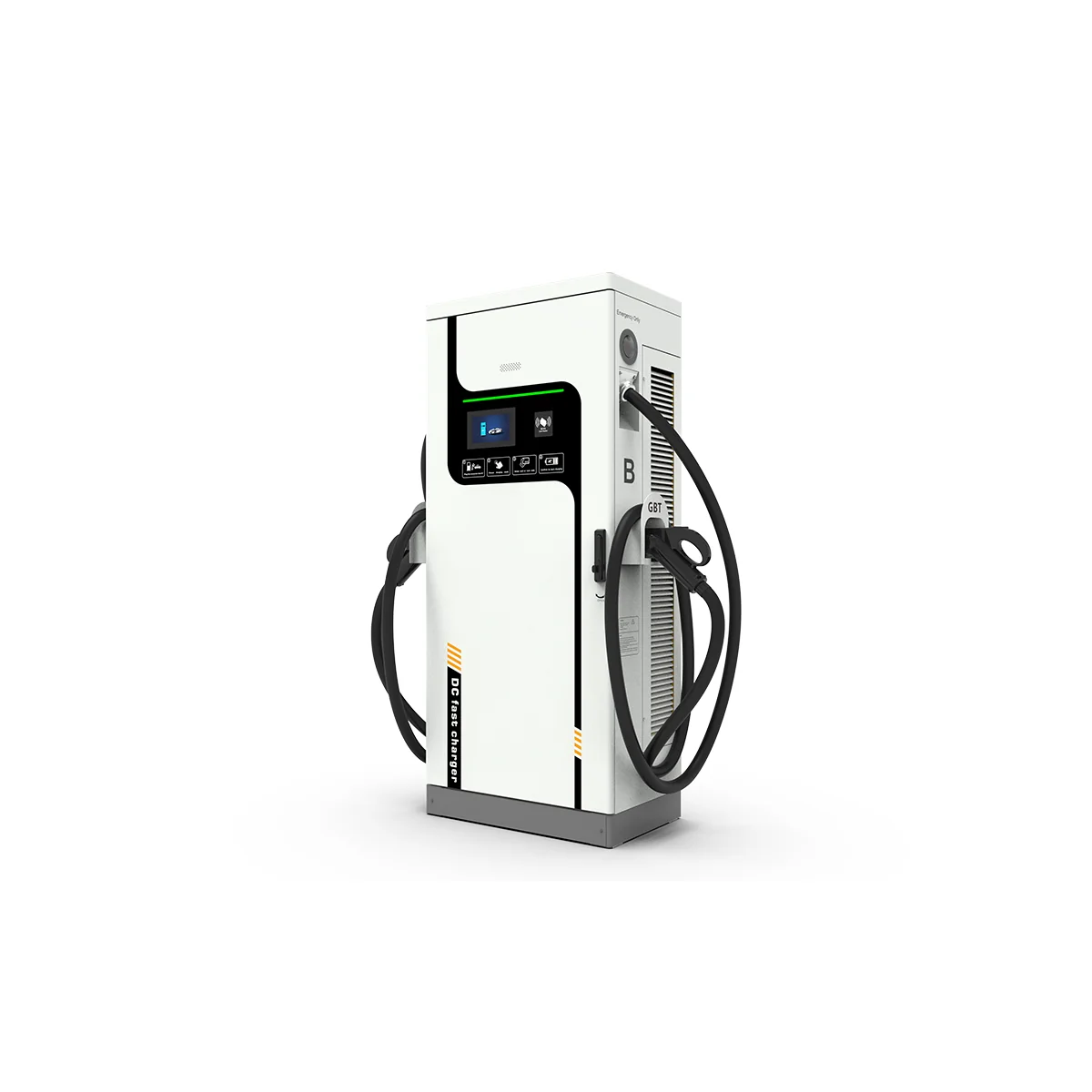
We’ll compare how power, layout, and software planning work together. We’ll also talk about where inefficiency hides, and why it shows up in small ways first—like charge ramps that stutter, or cables that get too warm under load. (Yes, small details make big gaps.) And we’ll map the path forward so you can set strategy, not just buy hardware. Let’s move from numbers to design choices that actually change user behavior.
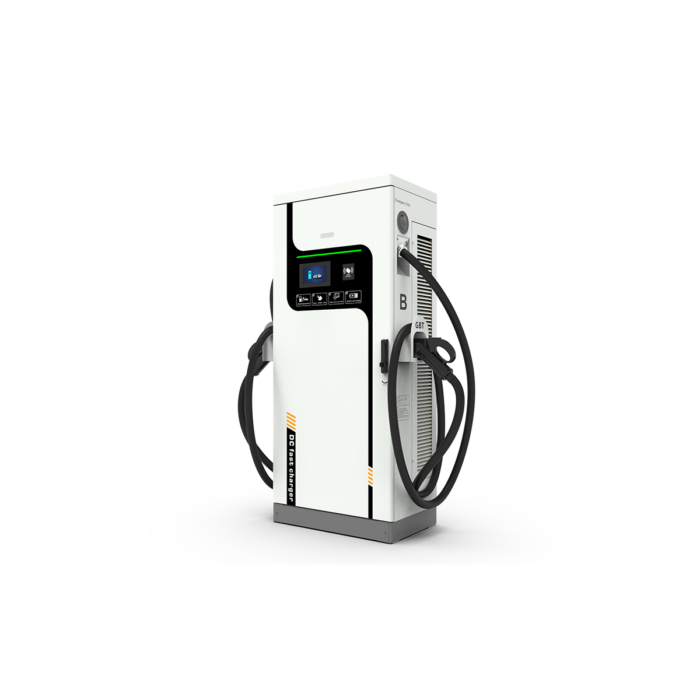
Part 2: The Deeper Layer—Where Traditional Setups Fray
What’s the real bottleneck?
Look, it’s simpler than you think: power is only part one. In many sites, legacy cabinets split output in rigid blocks. Even when a headline unit like 150kw EV charger 260 looks fast on paper, the user experience can drag when two cars share the same rack. If the system lacks smart load balancing and fine-grained control over power converters, you’ll see dips, pauses, and early tapering. The queue feels slower than it should. Drivers notice the stop-and-go ramp, not the spec sheet. And uptime? It’s often the victim of poor thermal management and slow fault recovery.
Traditional layouts also push cables beyond comfort during hot days, so the session throttles to protect components—funny how that works, right? Without adaptive cooling and real-time diagnostics at the edge (think light edge computing nodes in the cabinet), the station reacts late. Add in software gaps—older OCPP stacks, sluggish session handshakes—and the whole site feels dated. The result: the second car in line loses confidence, the third car leaves. Power is there, but orchestration isn’t. That mismatch is the pain point you can’t see on a spec sheet, yet you pay for it in churn and support calls.
Part 3: Comparative, Forward-Looking Choices That Actually Scale
What’s Next
The next wave solves those cracks with smarter building blocks. Modular power modules that re-route capacity in 5–10 kW slices. Liquid or hybrid cooling that keeps cable temps in check under continuous load. And software that forecasts demand, then pre-allocates output before the car plugs in. With plug-and-charge standards like ISO 15118, the session starts fast and clean; no tap-dance on apps, less chance of failed handshakes. When a unit like the 120 kw DC fast charger 40 is paired with dynamic allocation and healthy rectifier design, you get a smooth ramp, stable plateau, and a graceful taper—exactly what drivers feel as “fast.”
This is where design beats pure wattage: micro-scheduling across stalls, smarter cooling loops, and clean power stages reduce grid harmonics and cut stress on components. You don’t need a bigger headline number; you need better control under variable load—especially during evening peaks. The earlier issues—stutters, heat throttles, and queue jitters—fade when the system plans ahead and adapts in milliseconds. The bonus: service teams get clearer logs, faster remote resets, and fewer site visits. That is how a modern cabinet earns trust, session after session—because reliability feels like speed.
Advisory close: When you choose your next build, measure three things above all. First, power utilization rate under concurrency (how much of nameplate output reaches cars during peak). Second, thermal stability over time (does delivery hold steady past the ten-minute mark without throttling). Third, protocol readiness and stack maturity (OCPP version, ISO 15118 support, and recovery behavior after faults). Nail those, and the rest follows. For a grounded reference point that aligns design with real-world use, see winline EV charger.