
Introduction: When Evening Peaks Meet Bidirectional Power
Rush hour is no longer just traffic; it is electrons lining up at the curb. The charge discharge module is now the quiet broker between cars and the grid, deciding where energy should go at 18:00 on a windy Tuesday. As we sketched in Part 1, the surface story looks simple: plug in, charge, drive. But the deeper layer shows that a V2G charging solution can turn parked EVs into flexible assets. In Nordic cities, peak demand can jump 15–25% on cold days. That is not a rounding error. It is a stress test for transformers and feeders. If every car could discharge a little, the grid would breathe easier—funny how that works, right?
Yet there are questions. Can bidirectional inverters hold steady frequency support without adding harmonic distortion? Do home networks handle the DC bus dynamics during quick reversals? And how do we share revenue in a way users find fair? (No magic, only math.) This is the space where clear design, safe controls, and smart policy meet. We move next from broad context to the specific gaps that drain value today.
Under the Hood: Where Legacy Designs Lose Flexibility
Why do older systems struggle at the edge?
Legacy single-direction chargers were built for one job: push power in. They lack tight SoC estimation, granular telemetry, and fast response to grid signals. When asked to go bidirectional, they wobble. Their controllers often assume static load, so a quick switch to discharge can upset the DC link and trigger protection. Older power converters also lack low-THD control at partial load, which makes compliance with grid codes tough. Look, it’s simpler than you think: if the firmware cannot talk fast enough, it cannot earn with frequency response or peak shaving. The result is missed revenue and poor user experience.
There is also a user pain point we do not say out loud. People do not want to babysit energy flows. They want set-and-forget. Traditional systems bury settings in menus and ignore time-of-use pricing shifts. Without edge computing nodes to pre-process grid signals, latency rises and events are lost. Even worse, islanding protection may over-trip when EVs push power back, cutting sessions short. A modern V2G charging solution fixes this with better coordination: think model-based controls, stable DC bus management, and clear guardrails for the home panel. The tech is not exotic; it is disciplined.
Comparative Paths: Principles That Make Bidirectional Work
What’s Next
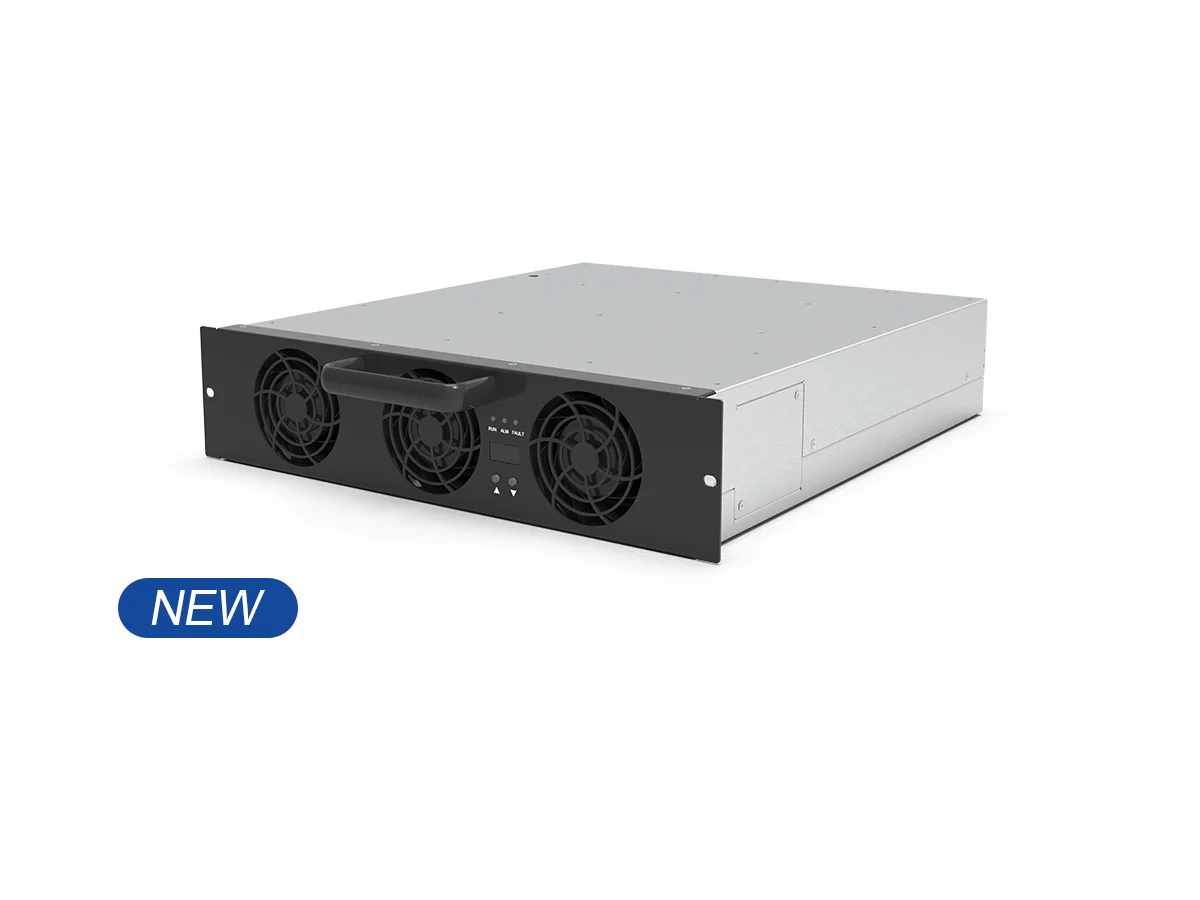
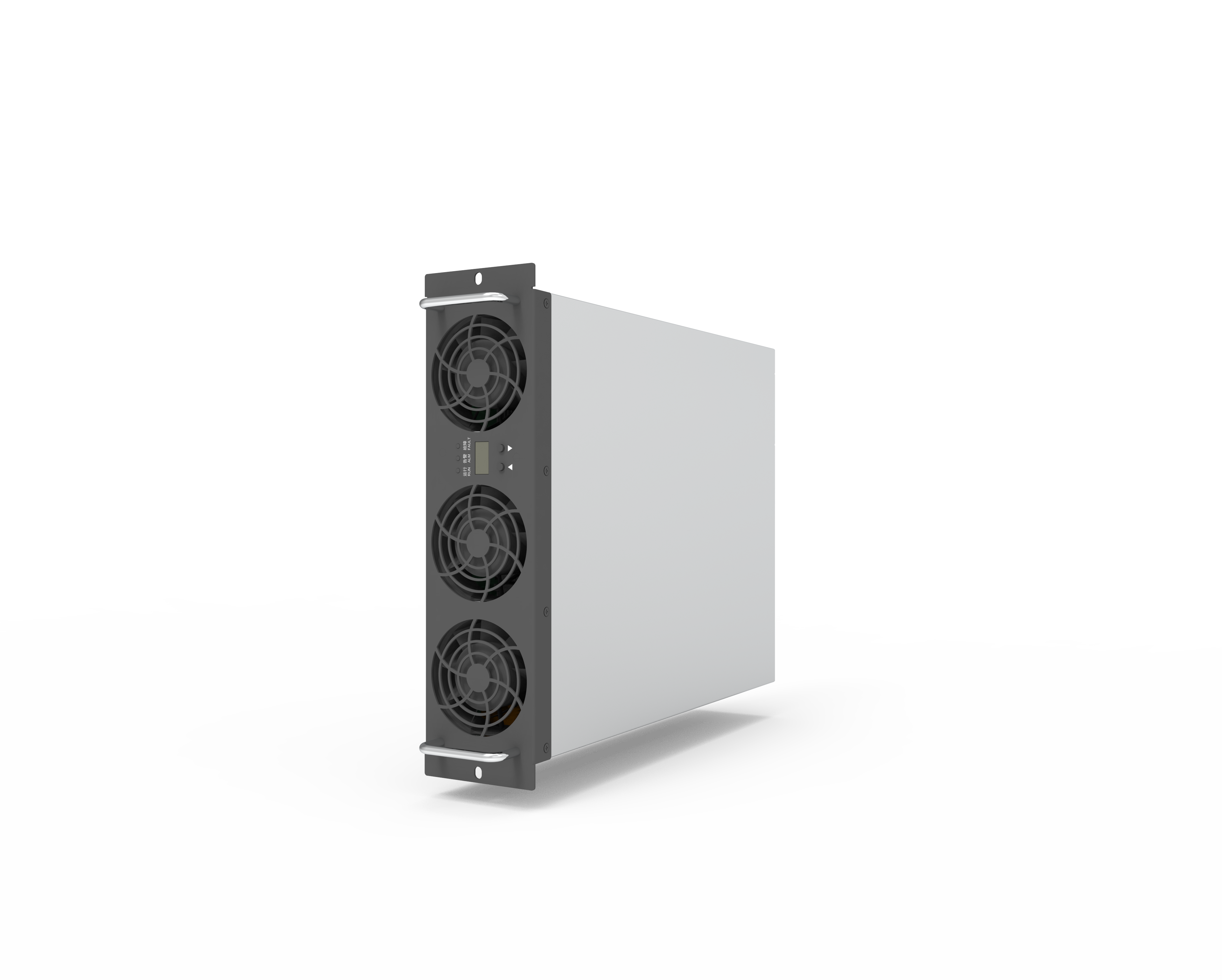
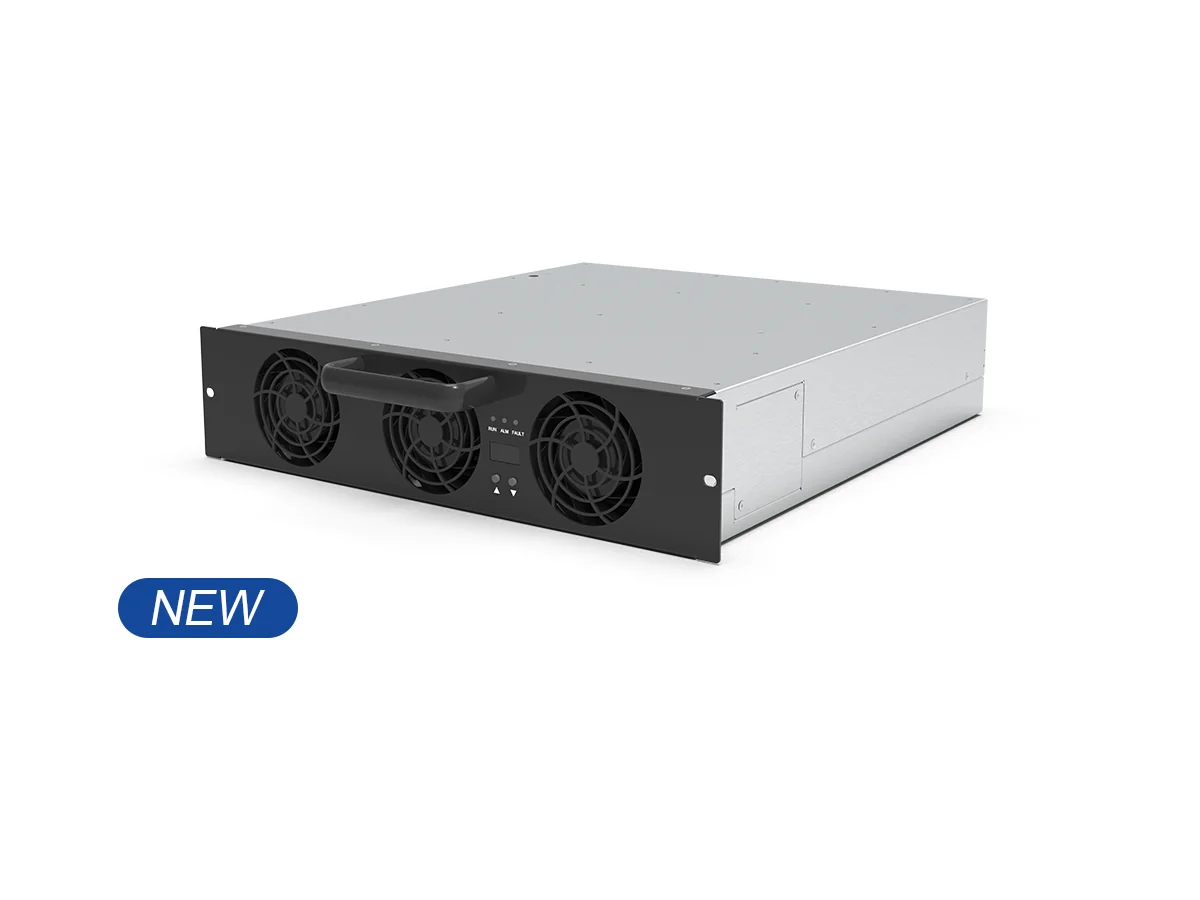
From here, the question is not “Can we?” but “Which path is fit for your site?” Two principles stand out when comparing approaches. First, modular control beats monolithic logic. A smart Charge-discharge Power Module with local state estimation can ride through micro-events without cloud calls. That means faster response for ancillary services and fewer nuisance trips. Second, cloud orchestration still matters—but only for fleet-level optimization. Think day-ahead bidding, tariff maps, and OTA updates. Pair local control loops with light cloud guidance, not the other way round. When tested side by side, systems with a bidirectional inverter using feedforward control hold voltage under step changes better than PID-only stacks. Less overshoot. Fewer restarts. More uptime—funny how that works, right?
Summing up, we learned that older designs waste value through slow control and poor UX; newer ones pay it back with accurate SoC, cleaner waveforms, and sane defaults. If you are choosing among options, use three simple metrics. Advisory close: 1) Dynamic response time under 10% load steps (target sub-50 ms). 2) End-to-end round-trip efficiency at partial load, not just at nameplate (check 20–60% power). 3) Interop proof with grid-tied standards and OCPP, including demonstrated islanding protection behavior. Keep the tone calm, the data clean, and the user in control. The road ahead is practical, not hype. For a steady partner in this space, see winline EV charging.