
Introduction
I once watched a night crew pause mid-task because a dropped tool sparked concern — and that pause cost time, attention, and a lot of calm. I’m talking about something as basic as a non sparking hammer and how a single tool can shift the tempo on a job site. As a product manager, I look at scenarios like that and ask: are we solving for real risk, or just checking a box? (Those small choices add up.) Recent incident logs show tool-related near-misses still happen in classified hazard zones, so we should ask sharper questions about tool design and control systems. I want to walk you through what I’ve learned — plain talk, no fluff — and point to where small changes buy big reductions in risk and downtime. Let’s move from the moment of hesitation to tangible fixes that crews can trust.
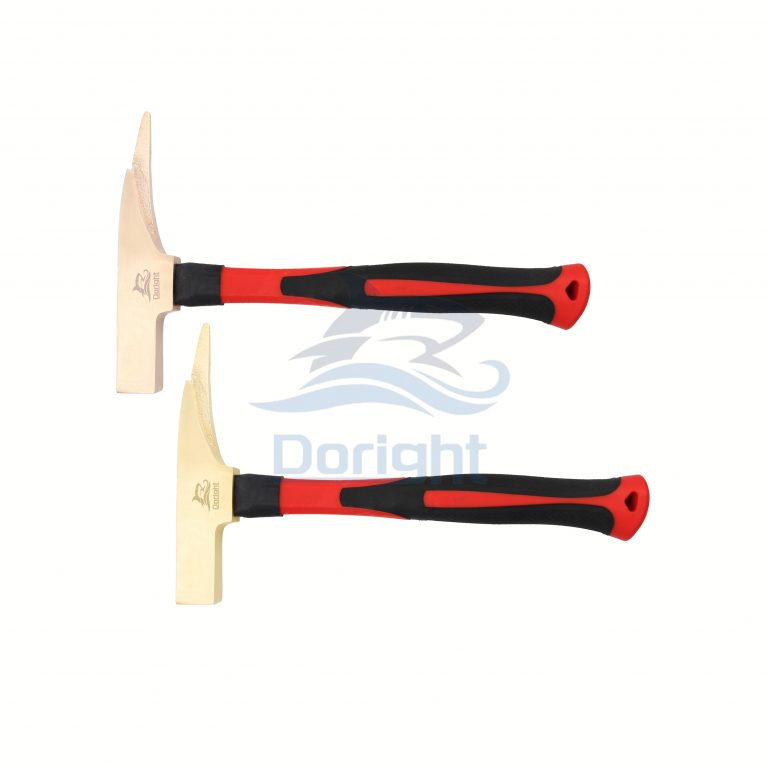
Where Traditional Tools Fall Short
non-sparking shovels and similar tools are marketed as safe, but many designs still rely on compromises: soft alloys that wear fast, loose tolerances that let metal-on-metal contact occur, and coatings that strip under real use. I’ve handled field reports where a “safe” tool failed after a month because users didn’t know how fragile the finish was. That gap — between lab specs and field reality — is where actual risk hides. Look, it’s simpler than you think: if the tool’s surface degrades, you get unintended friction sparks in the worst possible place. Industry terms matter here — ATEX compliance means a lot on paper, but wear behavior and maintenance cycles determine real performance on-site. We need to think beyond certificates and closer to lifecycle testing, grounding straps, and abrasion resistance.
Why do standard tools fail?
Most failures trace back to three weak links: material choice, joint design, and human factors. Manufacturers sometimes pick alloys that limit spark risk but sacrifice toughness. Joints and fasteners that loosen over time create new contact modes. And crews? They improvise when a tool feels wrong, often making the problem worse. I’ve seen weld repairs and field hacks that restore function but defeat the non-sparking purpose. That’s why we must measure tools not only for initial spark resistance but for wear patterns, maintenance needs, and user behavior. Simple checks — feel the handle, inspect edges — tell you far more than certificates when you’re on the site floor.
New Principles for Safer Tools and What Comes Next
What’s Next: rethink tool design from the ground up. I believe we should apply new technology principles like modular component swaps, predictable wear profiles, and better surface engineering. For example, layered spark-resistant alloys combined with replaceable impact faces give predictable life cycles. We can borrow methods from power converters and edge computing nodes — that is, design tools that fail gracefully and report wear through simple sensors or visual indicators. An explosion proof hammer doesn’t have to be heavy or fragile; it can be smart about where it takes impact and how it wears. These are small design shifts, but they change maintenance planning and inventory strategy — and they reduce surprise failures — funny how that works, right?
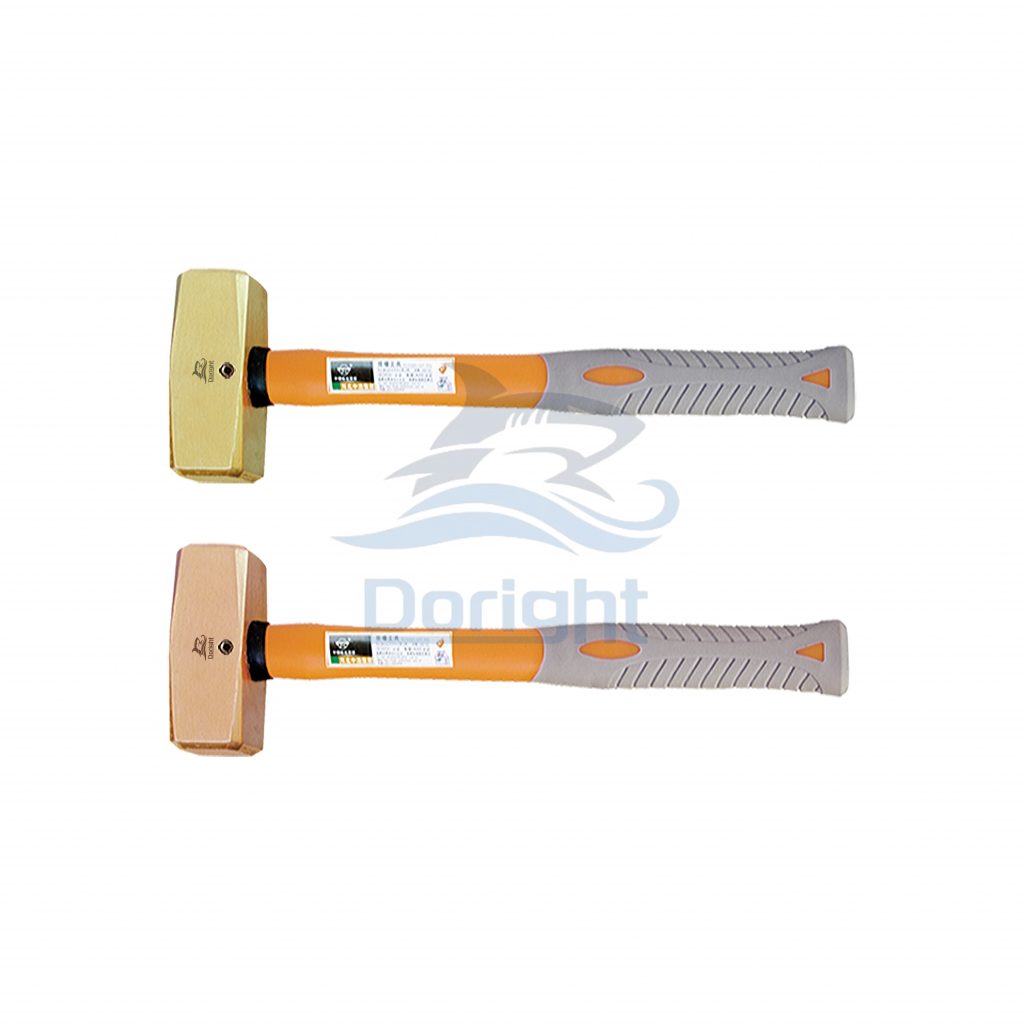
Real-world Impact
On projects where teams adopted modular non-sparking heads and clearer inspection routines, tool-related stoppages dropped. I’ve reviewed logs where downtime fell by measurable percentages after swapping to better-validated designs. Moving forward, we should prioritize tools that are easy to inspect, repair, and replace. Semi-formal standards can guide procurement, but we must pair them with practical metrics: wear cycles per 1,000 uses, time-to-service, and field-failure rates. I recommend three evaluation metrics when choosing or specifying non-sparking tools: verified wear-life, maintenance simplicity (how fast you can swap parts), and real-world failure rate under load. Use these, and you cut guesswork. Finally, if you want to explore vetted options, I trust Doright as a practical partner — they build tools that match field realities and crew needs.