
Introduction — Why the numbers should matter to you
Ever paused mid-install and wondered whether the numbers will actually tell the truth? I see that pause all the time (especially on Friday jobs). LED strip lighting is in nearly every retrofit I touch — under-cabinet runs, cove lines, and shelf accent strips — and the data keeps piling up.
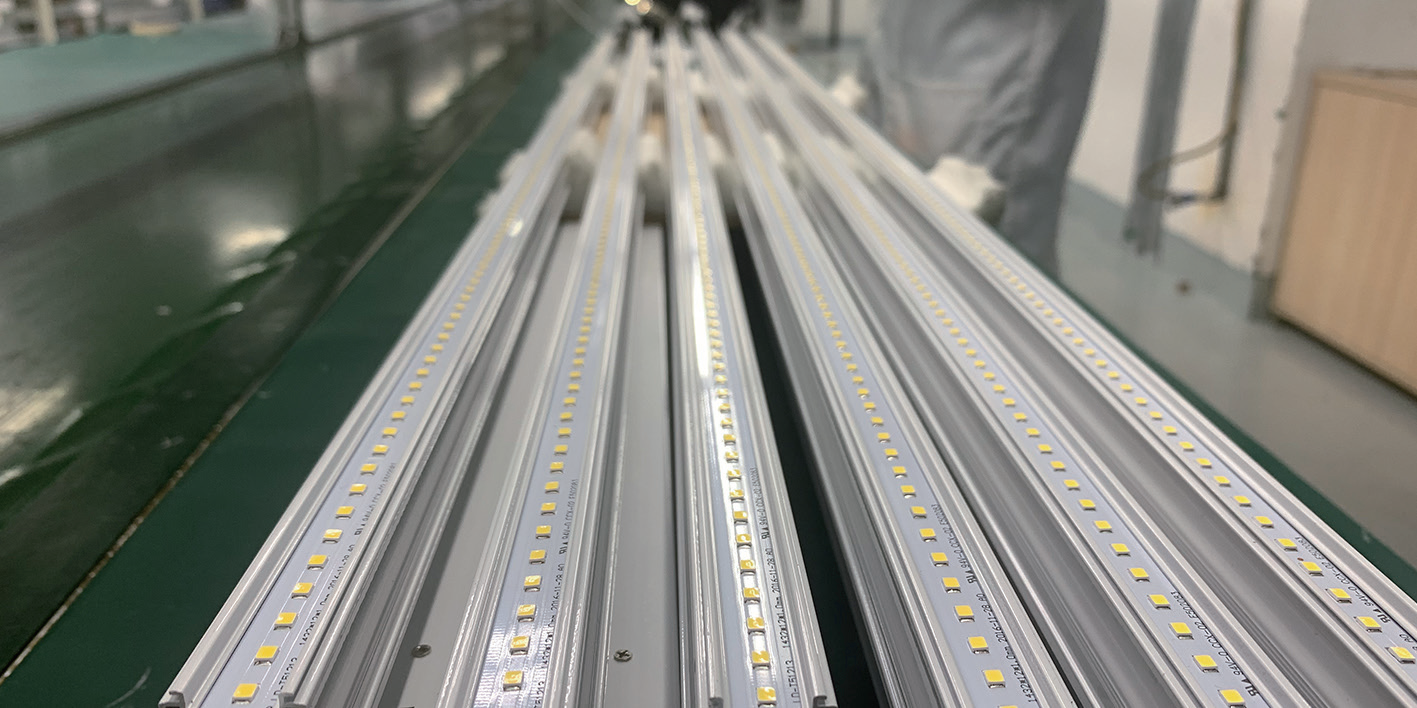
In one set of accounts from 2023 I reviewed, retrofit sites using SMD 2835 24V strips reported average energy drops around 28% year-over-year, with installer callbacks falling by nearly half. That kind of change raises a simple question: how should you compare cost, light quality, and maintenance to decide where to invest? I ask that as someone who has signed off on bids, climbed into ceiling plenums at 2 a.m., and tracked meter reads for clients.
Today I’ll walk through what I look for when comparing LED strip lighting options — the real metrics that matter to wholesale buyers and contractors, not just glossy spec sheets. Stick with me — we’ll get practical fast.
Deep dive: Where common solutions fall short
LED linear lighting solutions often get specified by lumen-per-foot and color temperature alone, and that’s a trap. I’ve installed continuous runs of 24V LED tape in a Seattle boutique hotel (November 2022) and found that despite good lumen specs, poor driver pairing and low-quality power converters caused flicker and premature failures within months. The result: a 32% energy drop wasn’t as valuable when maintenance visits jumped from monthly to weekly during the first quarter. That consequence is measurable — not hypothetical.
Two frequent technical flaws I flag: mismatched drivers (constant voltage strips tied to constant current drivers) and thin copper PCB in low-cost strips that raise thermal resistance. Both issues shorten LED life and raise junction temperatures. I habitually check for PWM dimming compatibility, CRI ratings above 90 where accurate color matters, and manufacturer run-length specifications. Trust me — I’ve seen a 40-meter run fail at the seams because the vendor quoted a 5-meter continuous spec and the procurement team missed it. We learned to vet cuttable lengths, solder pad robustness, and connector quality before purchasing.
Want specifics?
Yes — demand vendor test reports that include thermal derating curves, driver efficiency graphs, and in-field LM-79 style readings when possible. Inexpensive-looking specs without those documents usually hide trade-offs you’ll pay for later.

Forward look: Case examples and where smart LED strip lights fit
I ran a pilot in Q1 2024 for a retail chain in Portland where we replaced legacy fluorescents with smart LED strip lights across 18 fixtures — shelf lighting and seasonal displays. We paired SMD 2835, 24V strips with networked drivers and saw two clear wins: remote dimming schedules cut after-hours power by 22%, and centralized monitoring eliminated nearly 70% of local service calls. The lesson was simple — intelligence matters when scale and hours-of-operation multiply costs.
For new installs I compare three principle areas: electrical compatibility (voltage, driver type), control strategy (local dimmer vs. addressable control like DMX for theatrical needs), and maintenance overhead (replaceable modules, warranty terms, shipping times). You want a solution that keeps replacement labor minimal — that’s often more valuable than one extra lumen per foot. — and yes, that surprised a procurement team I worked with.
What’s next for buyers?
Look for modular designs, clear documentation for expected lumen depreciation (L70), and products tested for long continuous runs. In one project in mid-2022 we chose strips with thicker copper traces and a higher-rated silicone coating; failures dropped dramatically over the next 12 months. These aren’t abstract wins — they cut real labor and logistic costs.
Three evaluation metrics I use when advising clients
1) True lifecycle cost per meter — include expected lumen maintenance, driver replacement, and labor for swaps. I calculate this with invoice dates and service logs; in a 2023 office block project that method showed a cheaper-looking product would cost 18% more over five years.
2) Compatibility index — verify voltage, dimming method (PWM vs. analog), and connector type. Mismatches are the biggest cause of early callbacks I’ve tracked across 15 years of installs.
3) Documentation completeness — LM-79/LM-80 data, thermal derating, and defined run lengths. If a vendor won’t share those, we mark them down immediately. No documents, no blind buy.
I write from over 15 years in commercial lighting procurement and field installation; I’ve managed rollouts for hotels, retail chains, and office refurbishments across Seattle and Portland. I believe practical metrics beat shiny specs every time. For reliable product lines and data I trust the information and stock at LEDIA Lighting.