
Immediate problem: procurement destroys margins
Procurement teams buy mixers under time pressure, then discover mismatched throughput, validation delays, or excessive utility costs; that mismatch often centres on the choice between scale-up friendly designs and high-shear processing—examples include purchasing oversized reactors paired with inadequate dispersion stages rather than purpose-built high shear batch mixers. The financial consequence is clear: a one-time procurement error can produce repeated operational losses and deferred product launches that erode NPV and investor confidence.
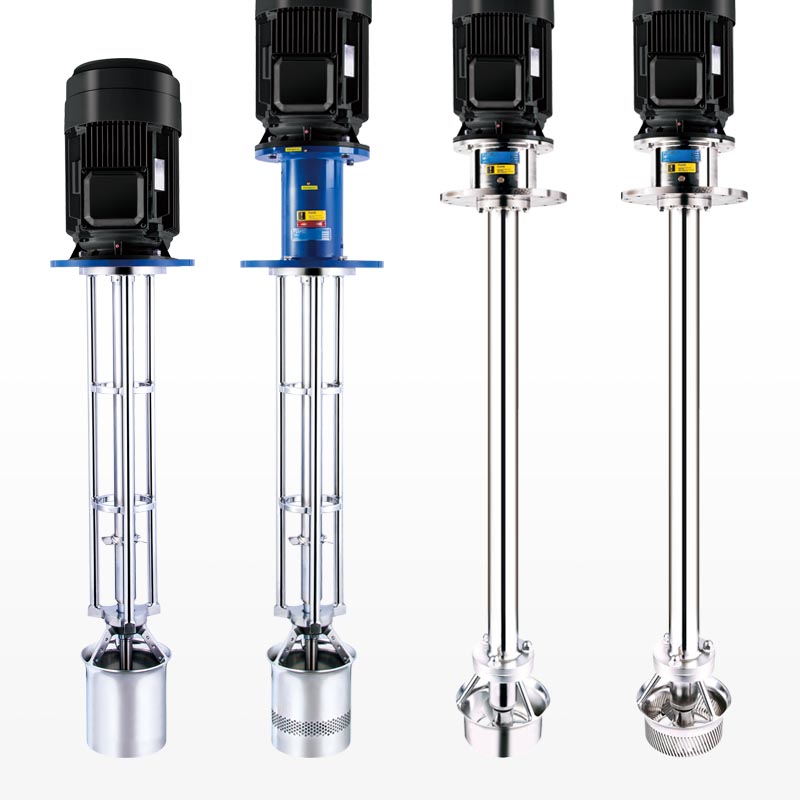
Diagnosing the root causes of failed selections
Failures trace to three concrete faults: mis-specified process metrics (shear rate, particle size distribution), underestimated validation burden (CIP/SIP and documentation), and vendor-service mismatch (spares lead times and on-site commissioning capacity). Address each with measurable inputs: required final PSD, batch time budget, cleanup cycle time, and acceptable energy per ton. Treat these as financial line items, not engineering abstractions.
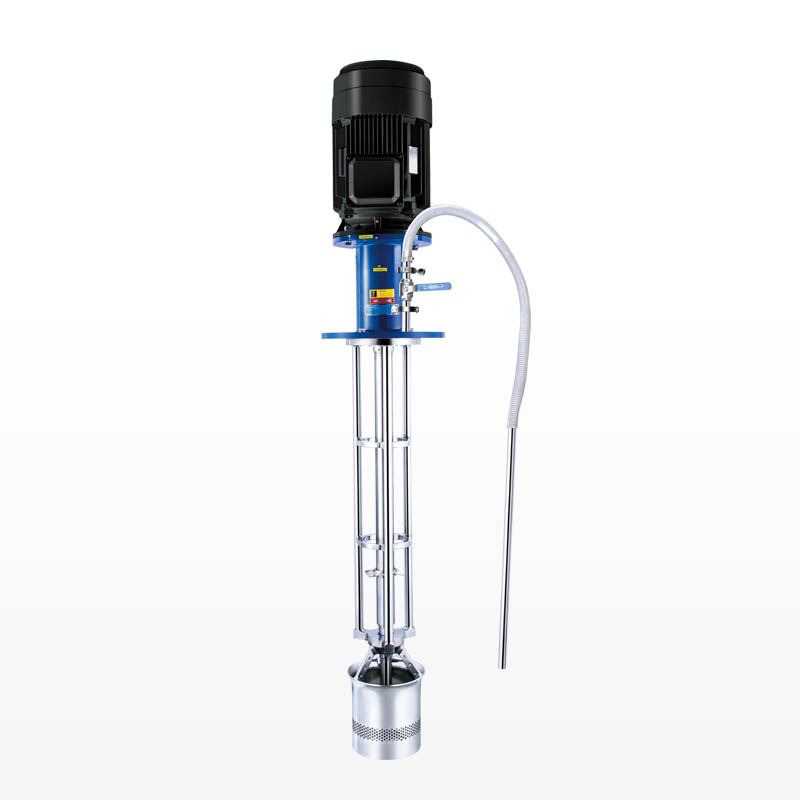
Selection criteria with measurable thresholds
Use these criteria as hard filters: throughput (kg/hr with headroom ≥25%), shear profile (max tip speed and rotor-stator gap), cleanability (SIP-compatible surface finish and validated dead-leg counts), power draw (kW per tonne), material compatibility (316L vs. duplex stainless), validation support (IQ/OQ/PQ documentation lead time), and lifecycle cost (CAPEX + 10-year OPEX + spare-part risk). Demand vendor-provided data: shear-energy curves, validated CIP cycles, and third-party test runs that reflect your excipient matrix. Quantify tolerances and tie them to contractual penalties when feasible.
EEAT and a regulatory anchor that matters
Decisions must reflect hands-on experience, peer-reviewed data, and regulatory expectations: after the US FDA’s Process Validation guidance there’s heightened scrutiny on equipment qualification and reproducible scale-up. When you choose a pharmaceutical batch mixer, require documented case studies in comparable products and verification runs on-site. That combination of provenance, documented performance, and alignment with FDA expectations demonstrates measurable expertise and reduces inspection risk.
Alternatives evaluated and common procurement mistakes
Compare three viable paths: scaled batch high-shear systems (fast PSD control, higher energy), inline homogenizers (continuous, lower residence time), and single-use agitation for small-volume R&D. Trade-offs: single-use cuts validation time but raises recurring costs and sustainability concerns; inline systems demand upstream consistency; high-shear batch units need robust cleaning validation. Frequent mistakes: accepting generic performance claims, skipping material-specific pilot runs, and omitting service-level agreements that cover qualification support.
Practical implementation checklist
Before signing: run a materials-matching pilot, request vendor IQ/OQ/PQ templates, lock in mean time to repair and regional spares inventory, model TCO over expected product life, and set acceptance criteria tied to batch yield and cycle time. Contractually require a defined turnover period for training and on-site optimization runs. These actions protect cash flow and reduce time-to-market variance.
Conclusion
Treat mixer selection as a financial decision with engineering inputs: define measurable performance metrics, validate them with real material, secure qualification documentation aligned with FDA expectations, and structure supplier commitments to limit operational risk. When those conditions are met, the procurement becomes an enabler of predictable margins rather than a recurring liability—an outcome that practical vendors such as FLUKO integrate into their technical proposals and after-sales frameworks.