
Introduction: Two Cars, One Lot, Very Different Wait Times
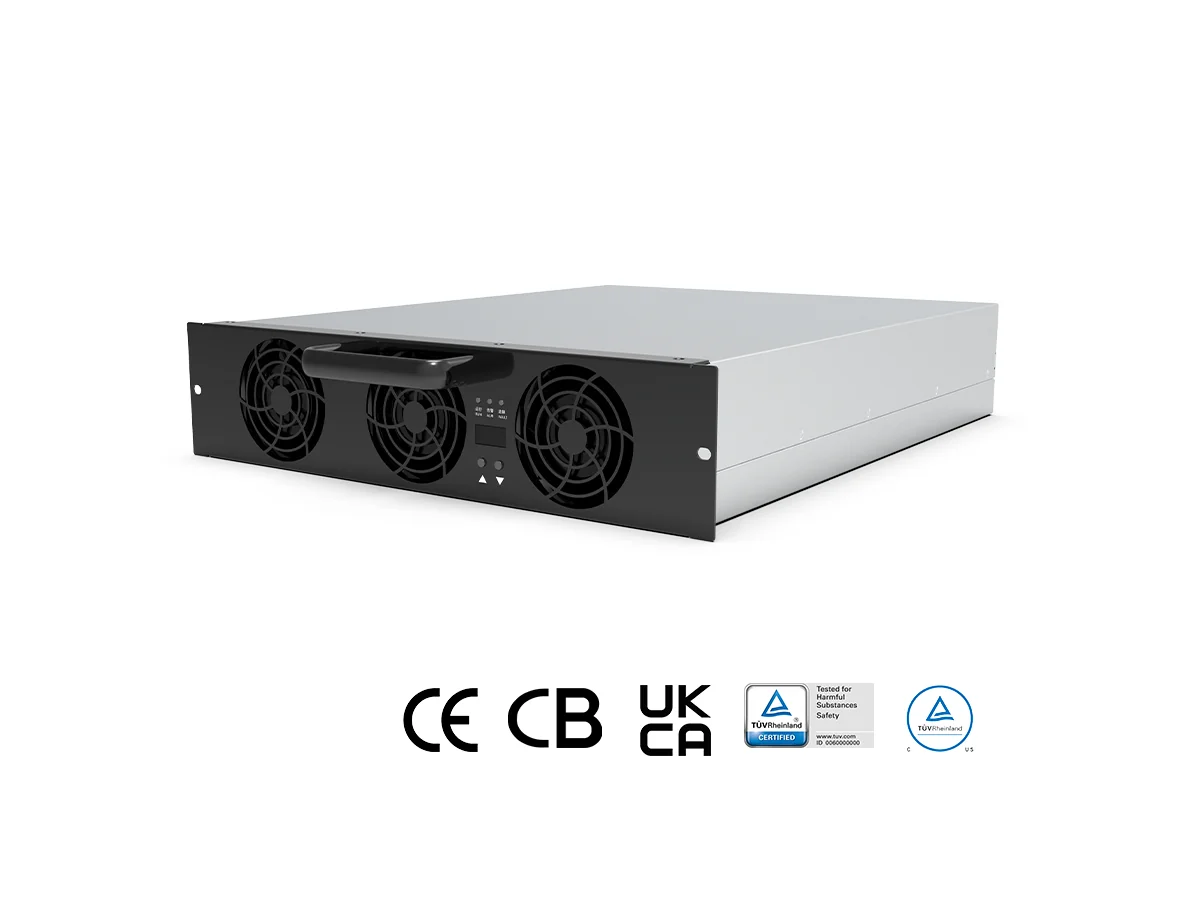
Ever notice how one EV finishes a 20–80% top-up before you get past the loading screen on your app? The difference often hides in the power module for EV charger hardware tucked inside that humming cabinet. Picture a mall lot on a Saturday: one driver grabs coffee and gets back to a full battery; another watches the progress bar crawl. In many sites, average session times still spike beyond expectations, and thermal trips force resets more often than anyone likes (because nothing says progress like a reboot loop). So what is stalling the pace—fat cables, clunky cabinets, or the watt-routing heart that nobody sees?
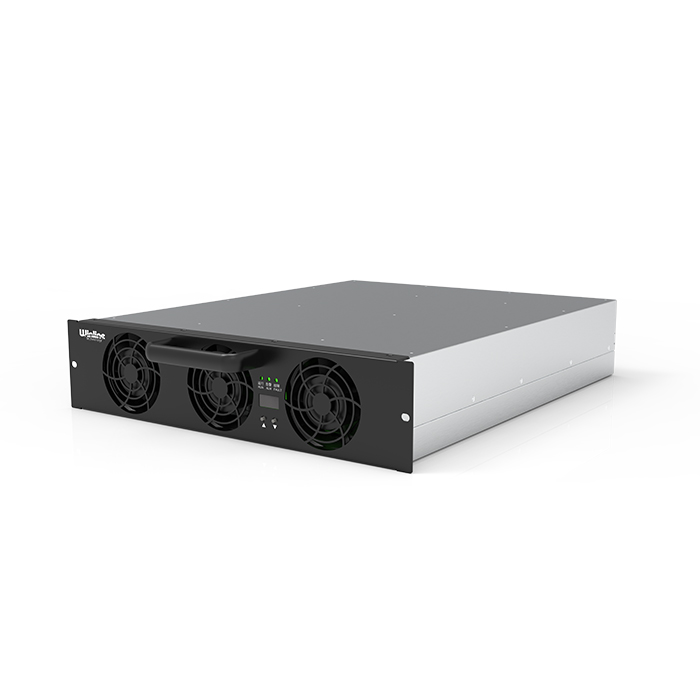
Here’s the twist. The bottleneck isn’t always the grid feed or your car. It’s the conversion stage that decides how clean, cool, and consistent the power flow is. Field logs from operators cite efficiency dips under heat, EMI hiccups, and sag under load. That’s not a vibe; that’s lost uptime. And if the module derates early, every other shiny part becomes a spectator—funny how that works, right? The question we should ask is simple: which module architecture sustains real-world throughput without turning the cabinet into a hotbox, and what proof backs it up? Let’s peel back the cover and line up the contrasts next.
Under the Hood: Why the Isolated Module Makes or Breaks the Experience
Why do legacy stacks stumble?
Start with the core: the high-power isolated charging module decides whether current flows like a river or like molasses. Traditional stacks often use mixed-age power converters, mismatched switching stages, and oversized filters to mask ripple. On paper, they pass. In the field, thermal derating kicks in, EMI margins get tight, and the DC link ripple chews on reliability. Galvanic isolation may be “within spec,” yet creepage, clearance, and partial discharge behavior under humidity tell a harsher story. Look, it’s simpler than you think: if the isolated stage cannot hold efficiency flat when the cabinet is hot and the grid is noisy, you get slower sessions and cranky users.
More pain points hide in control. Legacy loops sample slow, so transient response lags when cars step load at high SOC. That forces downrated setpoints to dodge overshoot—less power when you wanted more. Meanwhile, cabinets now act like edge computing nodes, juggling comms and metering; a sloppy module dumps more burden on the controller, not less. Then the heat sinks saturate, the fans scream, and uptime dips. The irony? Operators chase cable upgrades and never fix the module. The result is predictable—uneven throughput and frequent resets. That’s not a growth plan; it’s a maintenance plan with extra steps.
Comparative Outlook: Principles That Lift Throughput Without Meltdowns
What’s Next
Newer designs lean on a few clear principles: faster switches, smarter control, and honest thermal math. Wide-bandgap devices enable higher switching frequency, which shrinks magnetics and improves transient response. Interleaved phases spread loss, cut ripple, and ease EMI filtering. Digital control maps behavior over temperature, so the module holds output without twitching when load steps hit. When these pieces land together in an isolated stage—think a modern DC DC isolated power module 20 class unit—the cabinet stops firefighting and starts delivering. Not magic. Just physics done right (and verified under the lid, not just in slides).
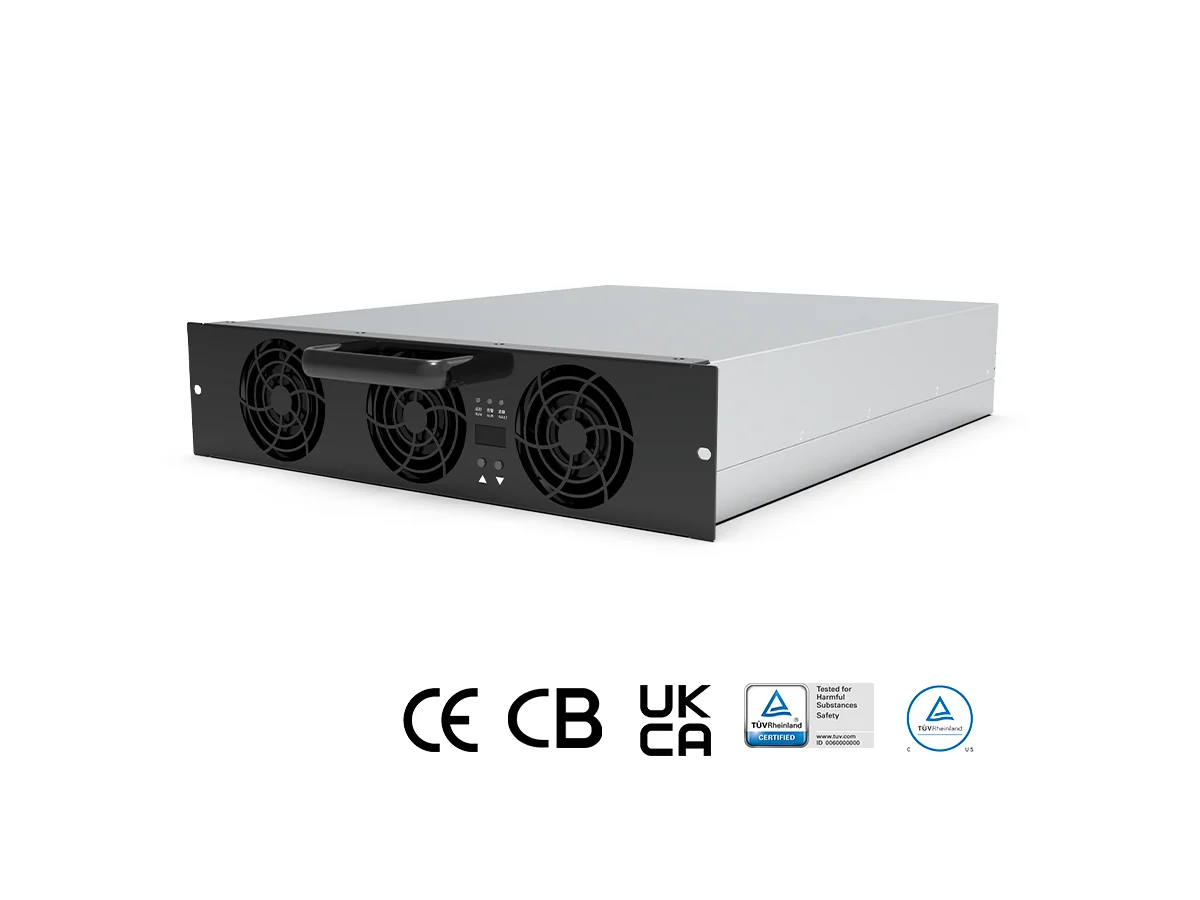
So, how do you choose? Compare modules on outcomes you can measure, not brochure poetry—funny how that works, right? Use three checks. One: efficiency at high ambient and near full load, with the derating curve over temperature. Two: isolation integrity beyond the headline value, including creepage/clearance and partial discharge inception. Three: EMI performance with margin, plus real transient recovery time during 10–90% step loads. If a unit keeps power flat, stays cool, and plays nice with the grid, sessions get faster and uptime steadier. That’s the win. Keep it semi-formal, keep it testable, and let the logs decide. For builders who prefer results over buzzwords, see also winline charger for practical reference points across these metrics.