
Introduction: The Night the Room Tilted
Here’s the truth: the crowd remembers light as much as sound. Stage Laser Lights often tip that memory from “good” to “I’ll never forget it,” especially when the timing hits and the room lifts as one (no smoke and mirrors, just physics and timing). In post-show surveys, around seven in ten guests say visuals shape what sticks, and planners report longer dwell time near the stage when beams are synced to the drop. So, if the energy you want is measurable, why do some rigs still feel flat when it counts?
This is a comparative look at what’s missing and what’s next—West Coast straight talk, easy pace. We’ll start with the weak links, then line them up against smarter optics and control. Ready to push past the usual wash-and-hope setup? Let’s get into it.
Part 2: The Hidden Gaps in Today’s Rigs
What’s the real bottleneck?
Let’s get technical for a minute. Many shows rely on moving heads and PARs to paint the room, but those tools blur at distance and fade without haze. That’s where laser stage lighting solves the beam math. Tight beam divergence keeps lines crisp across long throws, so accents stay sharp even in open air. With lasers, galvanometer scanners do the aiming, not bulky yokes; that means fast vector moves and precise geometry on cue. Yet a surprising snag remains: traditional DMX512 chains add patch complexity and latency when you stack fixtures, so chase sequences can feel sluggish at scale.
There’s also the grind behind the scenes. Old fixtures pull more power than you think, forcing extra power converters, heavier cabling, and longer load-ins. Thermal management gets messy, too; overheat and you lose output stability right when cameras roll. Safety interlocks need to be reliable and simple, because no one wants guesswork during rehearsal. Look, it’s simpler than you think: if the system can’t track scan speed, monitor diode health, and hold color balance under heat, the audience sees it. Not by name—by vibe. And that gap is what kills momentum.
Part 3: Forward-Looking—Principles That Change the Game
What’s Next
Now the good news. New optics and control platforms push past those limits by design. Faster galvanometer scanners (think 30–40 kpps) keep vector shapes stable at higher speeds, while better diode drivers use PWM to hold color balance during dynamic moves. Some fixtures add onboard edge computing nodes to render patterns locally, cutting controller chatter and lowering latency. Pair that with IP65 housings and smarter thermal paths, and you get stable output in heat, dust, or light rain—real-world conditions, not lab days. Tie it together with Art-Net or sACN alongside DMX512, and the show clock can lock to timecode, so cues don’t drift—funny how that works, right?
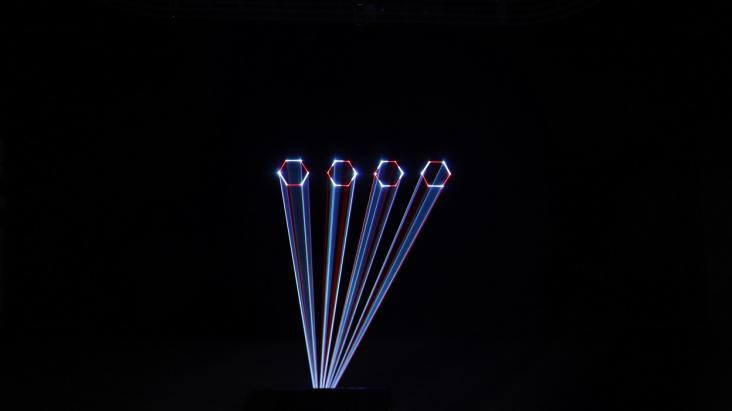
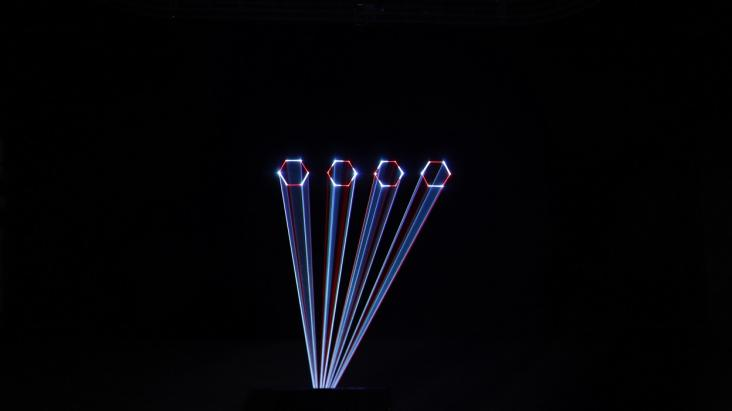
In comparative terms, modern concert lasers flip the workload. Instead of shoving every frame from a console, the fixture carries more of the brain: safety interlocks, beam attenuation mapping, and fail-safe shuttering live at the edge. That reduces load-in risk and tightens sync with audio. The net effect matches what you felt in the opener: lines that travel, hits that land, and a rig that doesn’t ask for three extra techs just to keep colors stable under heat. The takeaway is simple but big. When control is cleaner and optics are tighter, your design headroom goes up, and so does your room energy—by design, not luck.
How to Choose: Three Metrics That Keep You Honest
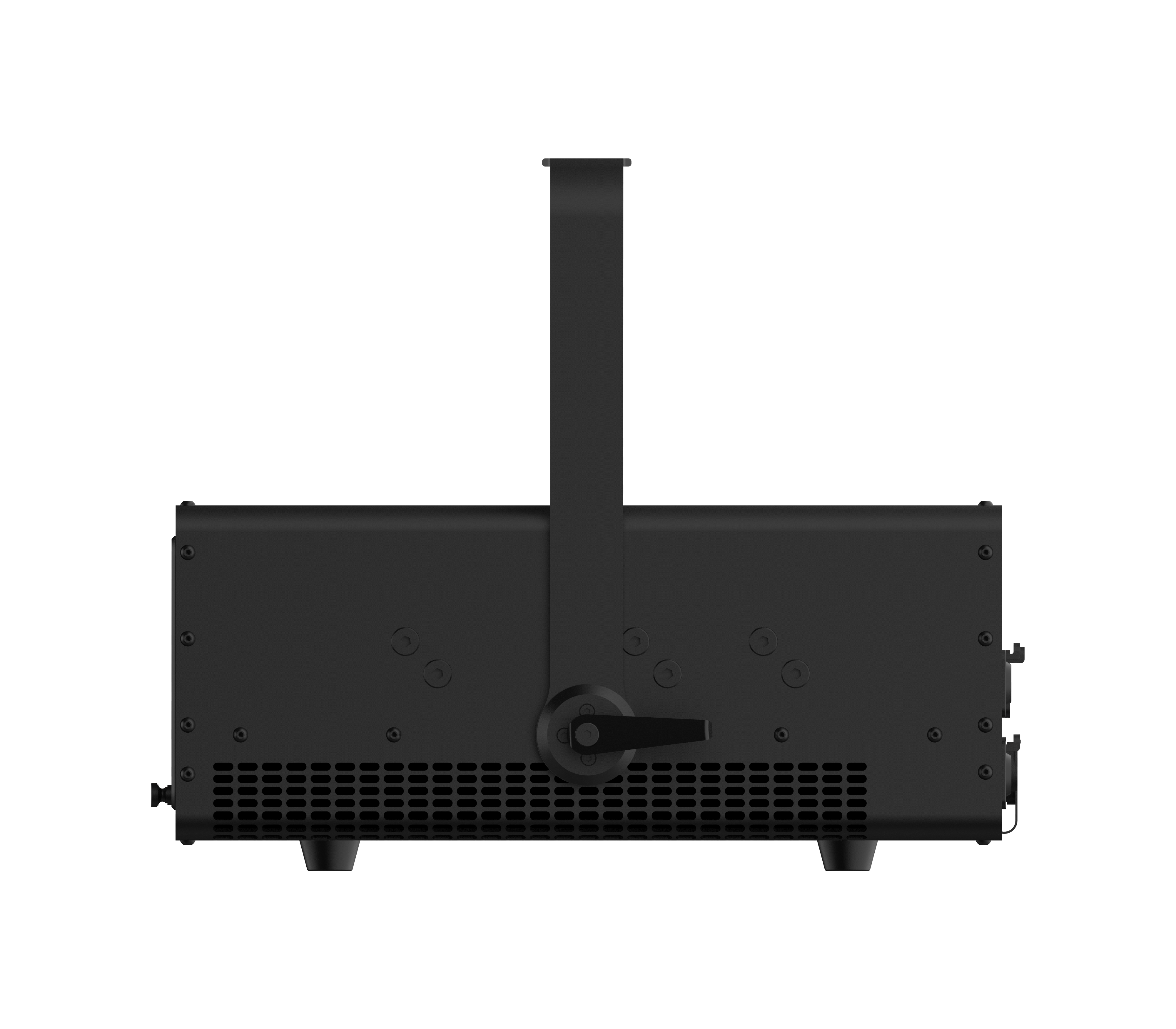
1) Optical performance: check scan speed (kpps), beam divergence (mrad), and output power stability under heat; these define how clean your shapes look at distance. 2) Control and sync: confirm DMX512 plus Art-Net/sACN support, timecode lock, and round-trip latency under load, so cues land on the beat, not near it. 3) Safety and durability: look for certified safety interlocks, proper attenuation maps, IP65 or better where needed, and service terms that cover diodes, drivers, and power converters—because uptime is not optional. Wrap those three into your spec sheet, and the rest falls in line. If you want a benchmark to start your research, take a look at Showven Laser as a reference point for features and build approach.