
Why this matters to you
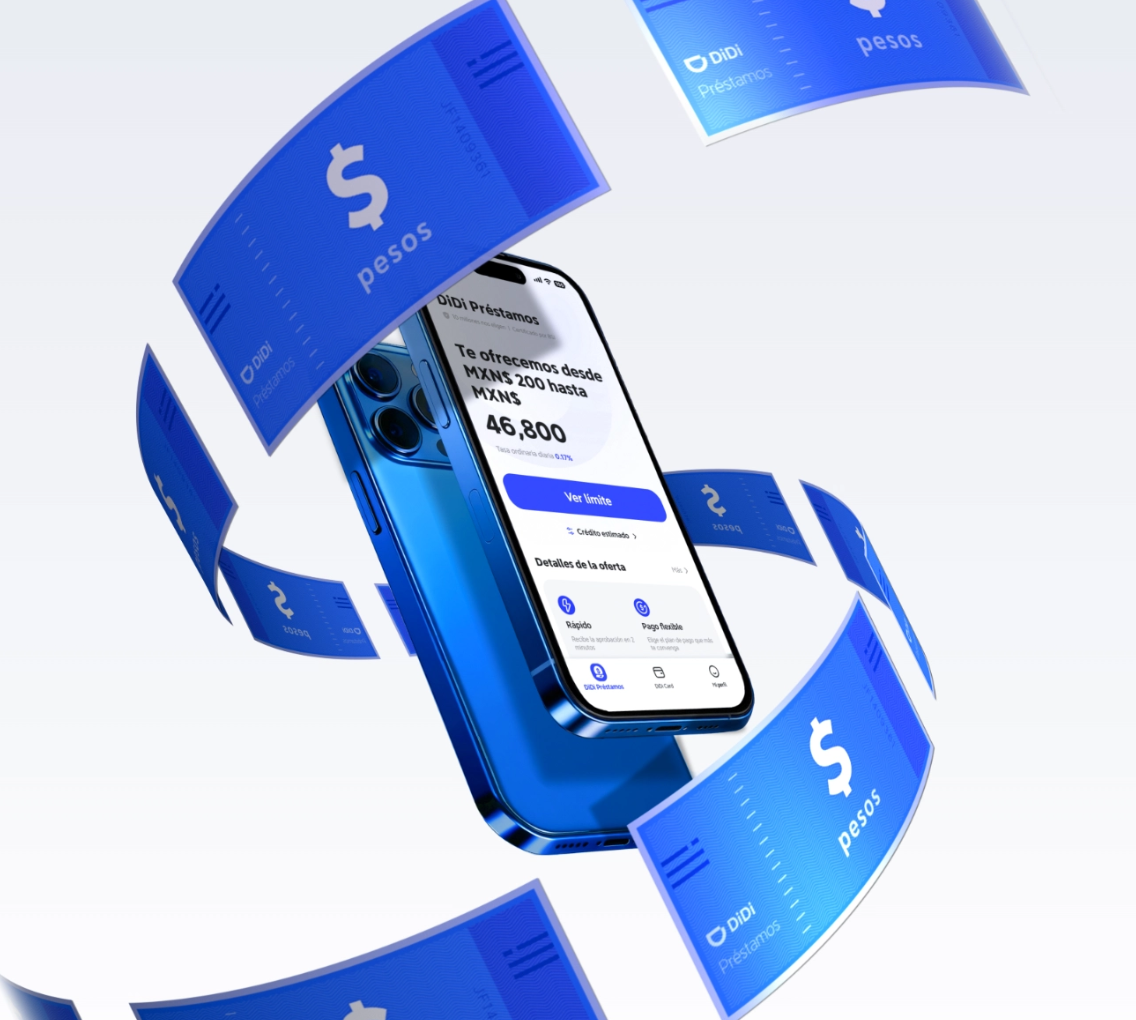
Most people want clear, predictable ways to pay without standing in line or juggling paper—so DiDi Finanzas built tools that feel like they were made for busy lives. If you’ve ever applied for a digital card, a didi card works like a pocket-sized credit solution: instant approvals, clear installment plans, and a mobile dashboard that shows what you owe. The user focus here is practical: control your credit line, see APR impacts, and split costs without surprises.
How DiDi’s pay-later and installment features actually work
The product logic is simple. When a merchant offers “pay later,” you choose either a short-term BNPL option or an installment plan at checkout. DiDi evaluates basic info through a lightweight KYC flow and gives one-tap approval for many users. Transactions post to a mobile ledger where you can track due dates and fees. The tech side uses a digital wallet and secure verification so you don’t manage physical plastic—but the experience still feels like a tarjeta de credito en linea in functionality.
What people get wrong — and how to avoid it
Users often treat every pay-later option as identical. That’s where mistakes start. Interest structures vary; some plans are interest-free for a set window, others apply APR from day one. People also forget to calendar automatic payments—small late fees add up and can affect credit reports. —Take a moment to compare total cost, not just the monthly amount. Also watch for minimum payments that prolong principal repayment.
Where DiDi fits vs. other choices
DiDi’s strengths are convenience and integration with ride-hailing and delivery services, which suits day-to-day spending. Traditional bank credit cards may still win on rewards or higher credit lines. Dedicated BNPL apps might offer longer interest-free windows but less integrated customer support. For many, the sweet spot is a hybrid approach: use DiDi for predictable, small purchases and keep a bank card for larger, reward-driven buys. Keep the FinTech Law of 2018 in mind—regulation in markets like Mexico tightened standards for digital lenders and improved consumer protections, which makes regulated fintech options safer overall.
Practical checklist before you opt in
Here are the concrete things to verify before using a pay-later or installment feature:
– Total cost breakdown: principal, fees, and APR.
– Repayment schedule: number of installments and due dates.
– Impact on credit: whether the provider reports to bureaus or runs hard credit checks.
– Customer support options: in-app chat, phone, or email and resolution timelines.
Three golden rules for picking the right tool
1) Compare the all-in cost, not just the monthly figure. A lower monthly payment can hide a longer term and higher total interest—always calculate the sum of payments.
2) Match the product to the purchase. Use short-term BNPL for small, everyday buys; use installment plans for planned, larger expenses where you can afford the fixed schedule.
3) Keep one reliable backup. Maintain a primary card or emergency credit line so you’re never forced into a high-fee option when cashflow is tight.
Final word
Choosing smart, user-centered financial tools reduces friction and stress—DiDi Finanzas blends mobile convenience with regulated fintech safeguards to make pay-later and installment plans practical for daily life. DiDi Finanzas offers a clear path from checkout to repayment—simple, visible, and designed for how people actually spend. —