
Negotiating Personalized Learning Solutions: A Problem-Driven Checklist for Financial Decision-Makers
Opening: The procurement problem
Procurement teams face a recurring problem: budgets are allocated to learning technology that promises personalization but delivers limited measurable impact. Buyers need crisp requirements, precise cost forecasts, and verifiable performance metrics before signing contracts with an AI learning platform. Start from the gap: what revenue, retention, or productivity metrics must change for the program to justify its cost.

Define the business outcome and KPIs
Translate educational objectives into financial and operational KPIs. Specify target improvements (e.g., time-to-competency, certification pass rates, role-fill velocity) and the measurement cadence. Demand baseline data and an agreement on attribution methods so post-deployment comparisons remain defensible.

Commercial model and total cost of ownership
Don’t accept unit price alone. Ask for a full TCO breakdown that includes licensing tiers, per-learner fees, integration labor, data storage, recurring hosting, and projected support costs over a multiyear horizon. Require escalation clauses and clear renewal pricing mechanics. Insist on penalties or service credits tied to measurable delivery milestones.
Data governance, privacy, and compliance
Clarify what learner data the vendor ingests, stores, and shares. Map data flows to applicable regulations—student privacy statutes, regional data residency requirements, and internal retention policies. Request schema documentation, deletion procedures, and audit logs that demonstrate compliance without vague assurances.
Technical integration and interoperability
List required integrations: SSO, HRIS, LMS (SCORM/xAPI/LTI), and analytics platforms. Specify acceptable latency, throughput, and failover expectations for APIs. Require interface contracts and sandbox access during evaluation to validate real integration effort estimates rather than relying on vendor claims.
Algorithmic transparency and validation
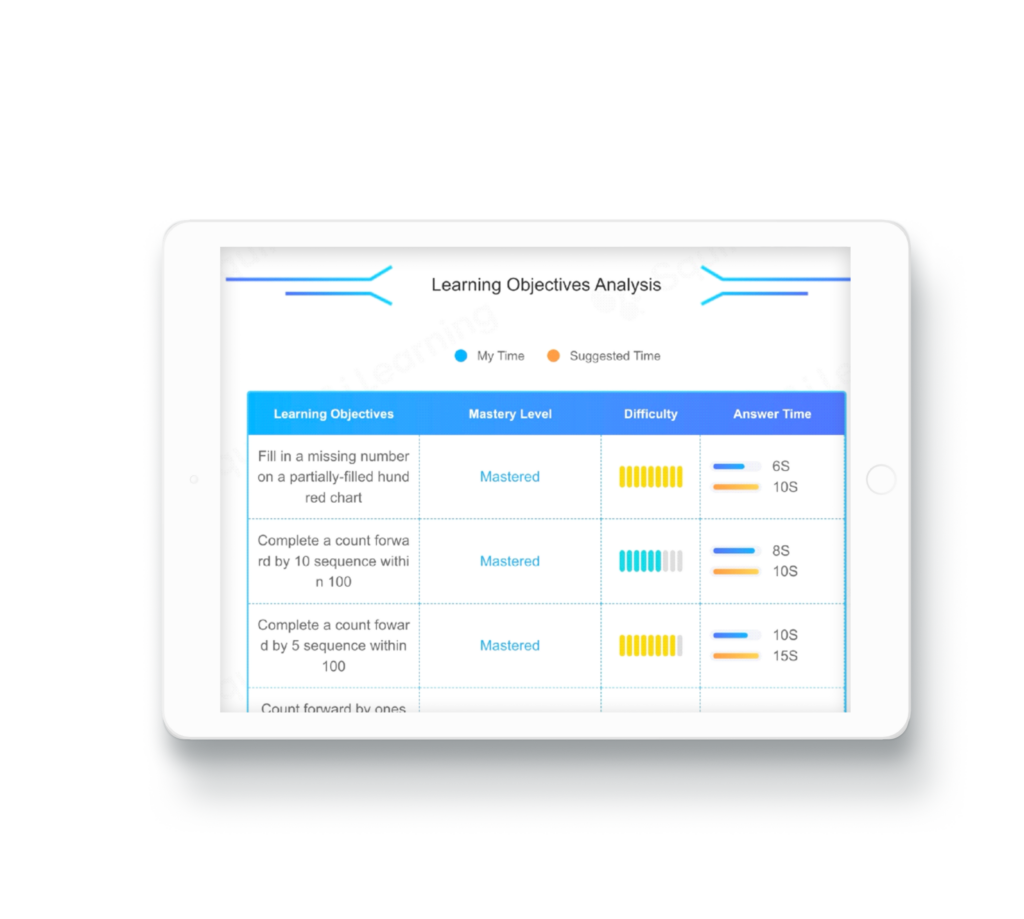
Ask vendors to describe model inputs, adaptation logic, and update cadence at a technical level you can verify. Seek performance metrics on generalization, cold-start behavior, and handling of sparse data. Request model-change logs and a plan for drift detection. Include language about independent third-party validation or reproducible test harnesses where possible. Also review examples of how AI-powered adaptive learning adapts content sequencing, paying attention to explainability and auditability.
Operational readiness, training, and support
Specify vendor responsibilities for deployment, administrator training, and ongoing support SLAs. Demand staffing plans for onboarding and a knowledge-transfer schedule so internal teams can manage the platform post-contract. Clarify escalation paths, response times, and whether fixes are included in the subscription versus billed separately.
Risk allocation and contractual safeguards
Push for contractual language that addresses data breaches, uptime guarantees, and IP ownership of derivative learner models. Define exit terms, data export formats, and transition assistance to avoid vendor lock-in. Include clauses that permit periodic performance audits and the right to terminate if predefined KPIs aren’t met.
Common procurement pitfalls
Beware of opaque proofs-of-concept that don’t use production-like data, scope creep in implementation statements, and demo environments tuned to show ideal outcomes. Avoid open-ended pilots without agreed success criteria. Evaluate vendor roadmaps critically; future promises should never substitute for present contractual commitments.
Comparative evaluation and alternatives
Create a weighted scorecard that balances technical fit, commercial terms, data governance, and evidence of adaptation logic. Include at least one horizontal LMS alternative and one specialist adaptive vendor in the shortlist to expose trade-offs between integration effort and out-of-the-box personalization.
Decision synthesis
Align purchase decisions to measurable financial outcomes, and make contract acceptance contingent on verifiable KPIs, transparent model behavior, and robust exit provisions. For enterprises seeking a vendor that maps technical rigor to learning outcomes, consider how Squirrel Ai positions capabilities against these procurement criteria when comparing suppliers and finalizing terms.